Many people assume happiness should automatically arrive with age. By 60, you’ve survived career stress, family challenges, and decades of responsibility. Life should feel lighter.
Yet for many people, the opposite happens.

Instead of peace, they feel frustration, regret, or emotional heaviness. The surprising truth psychologists often point out is simple: much of that unhappiness doesn’t come from aging itself. It comes from habits we’ve carried for decades.
The encouraging part? Those habits can change.
If you want a happier life after 60, experts say it often begins with honest self-reflection—and letting go of behaviors that quietly drain joy.
Why Self-Awareness Matters More After 60

By the time people reach their 60s, many patterns have been repeated for years. Habits of thinking, reacting, and relating to others become automatic.
Psychologists explain that self-awareness becomes the turning point. When people recognize their own patterns, they regain the power to adjust them.
Instead of blaming circumstances or other people, they ask a powerful question:

“What habits in my life might be making things harder than they need to be?”
That question alone can open the door to a happier next chapter.
6 Habits That Quietly Steal Happiness After 60
1. Holding on to old grudges
Carrying resentment for years can feel justified—but it often creates emotional weight.
Grudges keep the past alive and drain energy from the present.
Letting go doesn’t mean forgetting what happened. It means choosing peace over replaying old hurt.
Healthy alternatives include:
- Practicing forgiveness for personal peace
- Limiting contact with toxic people
- Refocusing attention on current relationships
Many older adults report feeling lighter and calmer after releasing long-held resentment.
2. Always needing to be right
Experience brings wisdom. But sometimes it also brings the habit of correcting everyone.
Constantly proving a point can slowly damage relationships with partners, children, and friends.
Instead of winning arguments, focus on maintaining connection.
Simple shifts help:
- Listen before responding
- Stay curious about other viewpoints
- Let small disagreements go
Peaceful relationships often matter far more than being correct.
3. Ignoring physical health
Some people start treating their body like a worn-out machine after 60.
But health habits still have a huge impact on quality of life.
Small actions can improve mood, energy, and mobility:
- Regular walking
- Gentle stretching or yoga
- Drinking enough water
- Routine medical checkups
Taking care of the body isn’t about chasing youth. It’s about protecting the years ahead.
4. Believing the best years are already over
This belief quietly blocks joy.
When people assume life’s most meaningful moments are behind them, they stop exploring new opportunities.
But research on aging shows many people discover new passions, friendships, and purpose later in life.
Examples include:
- Learning a new skill or hobby
- Volunteering or mentoring
- Traveling or joining local groups
Life after 60 often becomes more fulfilling when curiosity replaces resignation.
5. Expecting others to read your mind
Miscommunication increases when expectations remain unspoken.
Many people feel disappointed when family or friends don’t recognize their needs automatically.
Clear communication changes everything.
Instead of waiting for others to guess:
- Express feelings openly
- Ask for support directly
- Share appreciation more often
Healthy relationships grow stronger through honest conversation.
6. Comparing your life to “what could have been”
Regret is common later in life. Many people replay past decisions and imagine alternative paths.
But comparing your real life to a perfect imaginary version creates constant dissatisfaction.
Psychologists encourage practicing self-compassion instead.
Helpful mindset shifts include:
- Accepting that every life includes mistakes
- Recognizing lessons learned along the way
- Appreciating what went right, not only what went wrong
Peace often begins when people stop measuring themselves against a life they never lived.
How Letting Go of These Habits Changes Life
| Habit | Emotional Impact | Positive Change |
|---|---|---|
| Holding grudges | Stress and bitterness | Emotional freedom |
| Always needing to be right | Relationship tension | Stronger connections |
| Ignoring health | Lower energy | Greater vitality |
| Thinking life is “over” | Loss of motivation | Renewed purpose |
| Expecting mind-reading | Misunderstandings | Clear communication |
| Comparing with the past | Regret and frustration | Gratitude and peace |
Even small shifts can create noticeable improvements in mood and relationships.
Key Takeaways
Happiness after 60 rarely depends on perfect circumstances. It often comes from adjusting long-standing habits.
Psychologists highlight several important steps:
- Let go of old resentment
- Prioritize relationships over arguments
- Care for your physical health
- Stay curious about life
- Communicate needs clearly
- Accept your past with compassion
These changes don’t require dramatic transformation. They begin with small, consistent choices.
FAQs
Can people really change habits after 60?
Yes. Research shows the brain remains adaptable throughout life. Small behavioral changes can create meaningful improvements in happiness and well-being.
Why do many people feel unhappy after retirement?
Retirement removes routines and identity tied to work. Finding new purpose, hobbies, and social connections helps restore balance.
What is the most important factor for happiness after 60?
Strong relationships and emotional health are consistently linked to happiness in older adults.
How can someone reduce regret later in life?
Focusing on gratitude, learning from past decisions, and building meaningful experiences today helps reduce long-term regret.
Is loneliness common after 60?
Yes, but staying socially active, volunteering, joining clubs, or reconnecting with friends can significantly reduce loneliness.
Conclusion
Turning 60 doesn’t mean life is winding down. For many people, it becomes a chance to simplify, grow wiser, and focus on what truly matters.
But happiness in this stage of life often begins with one honest realization: some habits that once felt normal may now be holding you back.
Letting go of resentment, comparison, and silent expectations can create space for something powerful—a lighter, more peaceful life built on intention rather than habit.
And sometimes the best chapter isn’t behind you at all. It’s the one you decide to write next.

  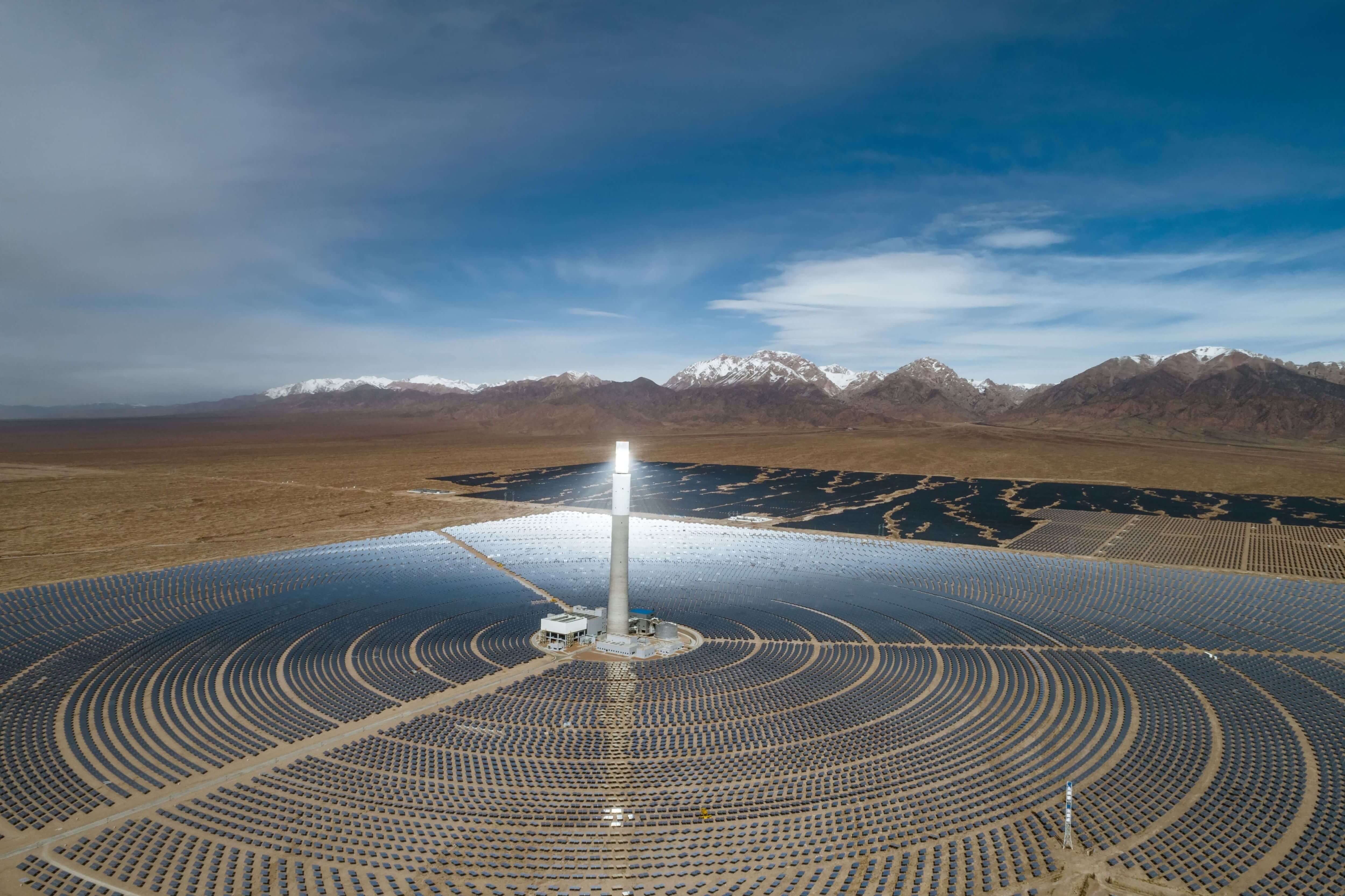 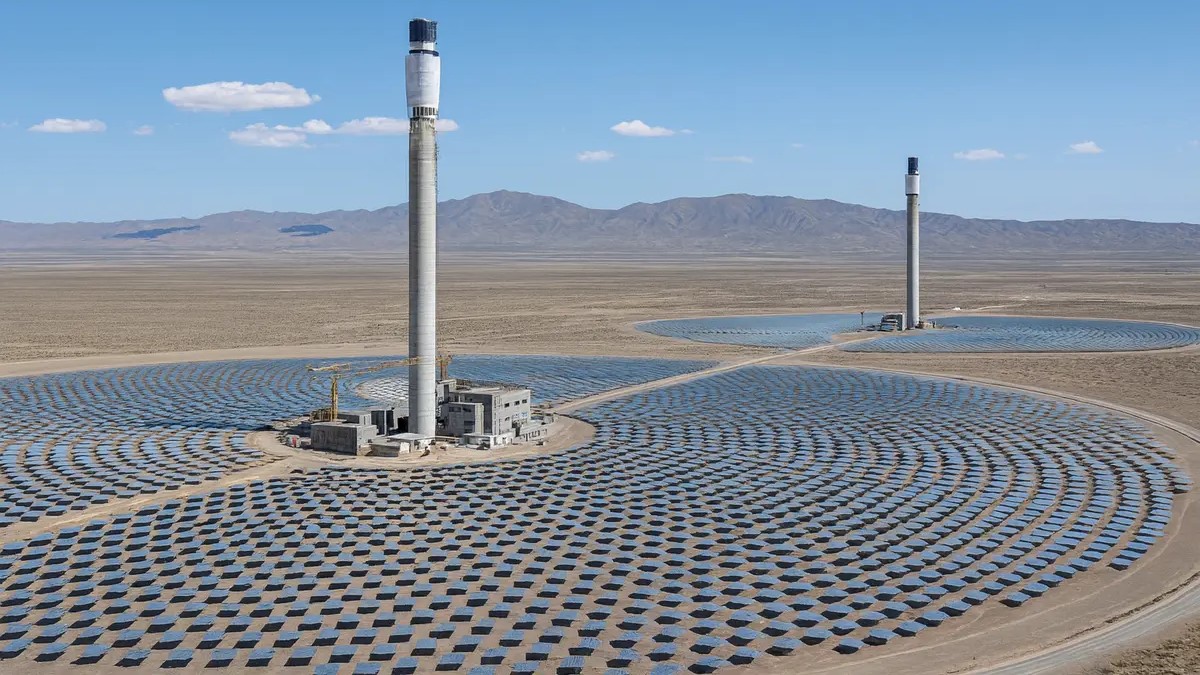 ## Scientists Are Building an “Artificial Sun” in the Desert — And It Could Change How Cities Get Power In a remote desert landscape, something extraordinary is taking shape. Thousands of mirrors stretch across the sand, reflecting sunlight toward a central tower that glows brighter than anything else in sight. Nearby, inside steel chambers and advanced laboratories, scientists are attempting something even more ambitious: recreating the energy process that powers the stars. Researchers and engineers have begun calling the project an **“artificial sun.”** The goal is simple but revolutionary — generate enormous amounts of clean electricity using the same fusion process that fuels the real sun. If successful, this technology could provide nearly unlimited energy for cities while dramatically reducing carbon emissions. ## What Is an Artificial Sun? The term “artificial sun” refers to **nuclear fusion reactors**, experimental machines designed to replicate the reaction happening inside stars. ### How fusion works In the core of the sun, hydrogen atoms collide under extreme heat and pressure. They fuse together to form helium, releasing massive amounts of energy. Scientists are trying to recreate that reaction on Earth. To do this, they: * Heat hydrogen fuel into plasma hotter than the sun’s core * Use powerful magnetic fields to hold the plasma in place * Trigger atomic fusion that releases energy If the process becomes stable and efficient, fusion could provide **clean, abundant electricity with minimal environmental impact.** ## Why the Desert Is the Perfect Location Fusion facilities and large solar energy complexes require huge amounts of space and sunlight. That’s why many experimental projects are being built in desert regions. ### Advantages of desert locations * Up to **300 sunny days per year** * Large open land areas for solar mirror fields * Low population density * Stable ground for heavy infrastructure The desert environment also allows researchers to combine fusion research with **concentrated solar power systems**, creating hybrid energy plants. ## The Role of Giant Mirror Fields One of the most striking features of the facility is the field of heliostats — massive mirrors that follow the sun across the sky. Each mirror reflects sunlight toward a central tower where heat is collected and stored. ### What heliostats do * Concentrate sunlight into extremely high temperatures * Produce steam that spins turbines * Store thermal energy in molten salt tanks * Generate electricity even after sunset This solar system provides immediate renewable power while supporting the experimental fusion infrastructure nearby. ## How the Artificial Sun Could Power Cities The long-term goal is to create power plants that operate around the clock without fossil fuels. Fusion could provide stable electricity regardless of weather conditions, solving one of the biggest challenges facing renewable energy today. ### Potential energy output Component | Purpose | Estimated Impact Solar mirror tower | Daytime renewable electricity | Up to 150,000 homes Fusion test reactors | Experimental constant power | ~50,000 homes in early phases Thermal storage tanks | Nighttime electricity supply | 4–6 hours grid backup Battery systems | Stabilize the grid | Instant response to demand spikes Although these numbers are still projections, the concept shows how multiple technologies could work together to power entire urban areas. ## Why Fusion Energy Is So Important Global electricity demand continues to grow as more systems move toward electrification — from vehicles to heating systems and data centers. Fusion energy offers several advantages compared with traditional power sources. ### Key benefits of fusion power * No greenhouse gas emissions during operation * Fuel derived from hydrogen, one of the most abundant elements * Minimal long-term radioactive waste * No risk of runaway chain reactions Because of these factors, fusion is often described as the **“holy grail of clean energy.”** ## The Biggest Challenges Scientists Still Face Despite decades of research, fusion remains one of the most difficult engineering challenges in modern science. Creating plasma hotter than the sun and controlling it inside a reactor requires incredibly precise technology. ### Major hurdles * Maintaining stable plasma for long periods * Designing materials that survive extreme heat * Scaling experimental reactors into commercial power plants * Reducing costs so electricity becomes affordable Scientists have made major breakthroughs recently, including successful experiments that produced **net energy gain for brief moments**. However, reliable commercial fusion power is still under development. ## Key Takeaways * Scientists are building experimental fusion reactors known as **artificial suns**. * These projects aim to generate massive amounts of clean electricity. * Desert locations provide ideal conditions for solar and fusion infrastructure. * Fusion could eventually deliver constant, low-carbon energy for cities worldwide. While the technology is still evolving, progress is accelerating as governments and private companies invest billions into fusion research. ## Frequently Asked Questions ### What is an artificial sun in energy research? An artificial sun is a nuclear fusion reactor designed to replicate the energy process that powers stars. ### Is fusion energy safer than nuclear power? Fusion generally produces less radioactive waste and cannot trigger runaway chain reactions like traditional nuclear fission plants. ### When will fusion power become widely available? Many experts expect early commercial fusion plants to appear between the **2030s and 2040s**, though timelines remain uncertain. ### Why are fusion experiments built in deserts? Deserts provide strong sunlight, large open land areas, and stable environments for building large energy facilities. ### Could fusion completely replace fossil fuels? Fusion could become a major clean energy source, but it will likely work alongside solar, wind, and other renewable technologies. ## Conclusion For decades, the idea of building a miniature star on Earth sounded like science fiction. Today, that vision is slowly becoming reality in remote deserts where scientists are testing the limits of physics and engineering. The artificial sun projects rising from the sand represent more than an experiment. They represent a new possibility for how humanity powers its future. If fusion energy succeeds, the lights in cities around the world may one day be powered by the same process that makes the stars shine.](https://ozpuff.com.au/wp-content/uploads/2026/03/Scientists-Are-Building-an-Artificial-Sun-in-the-Desert-—-And-It-Could-Change-How-Cities-Get-Power-1024x576.png)