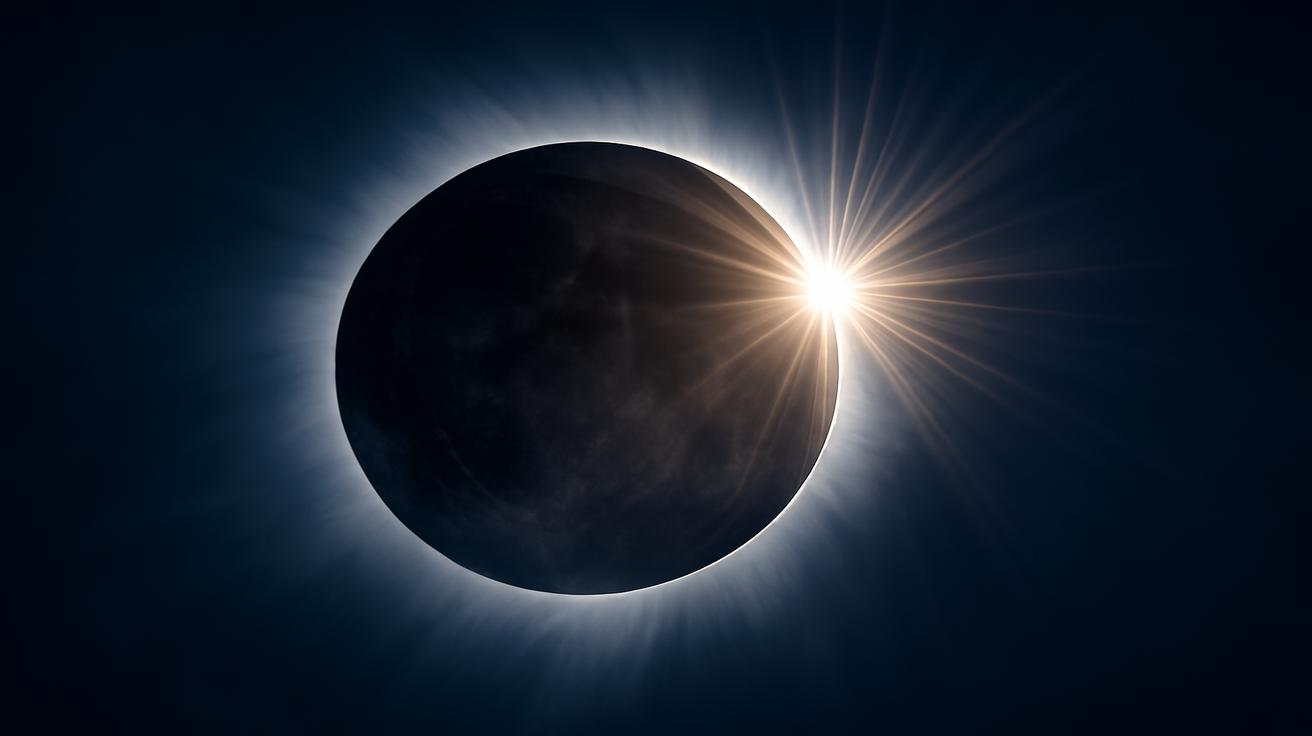
The sky is about to stage one of its rarest performances. Across a sweeping corridor on Earth, the 2026 total solar eclipse will turn day into night for several unforgettable minutes. This isn’t just a fleeting shadow—it’s the longest total eclipse of the century, promising a spectacle that blends science, beauty, and awe.
From the first subtle dimming to the full plunge into darkness, the eclipse transforms the ordinary afternoon into a cosmic event. Shadows sharpen, colors deepen, and the air itself feels different. For those standing in the path of totality, the Sun will vanish behind the Moon, revealing its ethereal corona and a sky sprinkled with stars in broad daylight.

This is a moment that matters: beyond its visual drama, it connects humans to the mechanics of the universe. The alignment of Sun, Moon, and Earth is precise, delicate, and fleeting—a cosmic choreography that won’t be repeated in this exact form for generations.
The Long Shadow Across Earth
The eclipse’s path is a narrow band, a few hundred kilometers wide, stretching across continents. Within this corridor, the Moon’s umbra—the deepest part of its shadow—creates totality. Step inside it, and the world briefly enters a state usually reserved for twilight. Step outside, and the Sun is only partially obscured, the day dimmed but never fully darkened.
Eclipse Experience by Location
| Location | Experience | What You’ll Notice |
|---|---|---|
| Centerline | Longest totality (several minutes) | Full corona, visible stars, sharp temperature drop |
| Off-center within path | Shorter totality | Brief nightfall, corona partially visible |
| Edge of path | Very brief totality or deep partial | Sky darkens, Sun mostly covered |
| Outside path | Partial eclipse | Crescent Sun, dimmed light, no true night |
Even far from the path, the day feels slightly off-kilter: light softens, temperatures dip, and animals react instinctively. But under the umbra, the transformation is complete—a shared, surreal twilight in broad daylight.
What Makes This Eclipse Unique

Total solar eclipses occur because the Sun is roughly 400 times larger than the Moon and also 400 times farther away, creating a near-perfect visual match. The 2026 eclipse is exceptional: the Moon will appear slightly larger than the Sun, and its shadow will linger over Earth longer than any total eclipse this century.
During totality, observers can witness:
- The Sun evolving from a full circle to a crescent as the Moon moves across.
- Shadow bands flickering across the ground in subtle, rippling patterns.
- “Baily’s beads”—sunlight peeking through lunar valleys.
- The “diamond ring” effect, a brief flash before darkness envelops the landscape.
- The corona streaming in delicate loops and tendrils, a glimpse of the Sun’s hidden magnetic and plasma structures.
Nature and Humanity Respond
Totality affects more than light. Temperatures drop rapidly, breezes shift, and wildlife adjusts to a sudden evening. Birds return to roost, bees retreat, and livestock become restless. Humans, too, are swept into the experience: conversations pause, hearts race, and horizons glow with a 360-degree band of sunset hues, even overhead.
Experiencing Totality Safely

Safety is paramount. Proper eclipse glasses or certified solar viewers are essential during all partial phases. Only when the Sun is fully hidden is it safe to look directly. Even brief exposure outside these moments can cause permanent eye damage.
For the best experience:
- Seek open spaces without tall structures blocking the sky.
- Check weather forecasts for clear conditions.
- Arrive early to absorb the subtle changes before totality.
- Dress for changing temperatures and bring water, snacks, and chairs if desired.
Photography is possible but challenging. Smartphones may capture only bright spots rather than details of the corona. Many enthusiasts recommend brief shots, then putting devices aside to immerse fully in the eclipse.
A Moment Beyond Measurement
Astronomers can calculate every angle, time, and shadow with precision, yet standing beneath totality transcends numbers. It is an encounter with the vastness of the cosmos, a shared gasp under a sky temporarily rewritten.
The 2026 eclipse is more than a celestial event—it’s an invitation to pause, witness, and remember the extraordinary choreography of the Sun, Moon, and Earth. Whether watched alone or with others, the memory lingers long after the Sun reclaims its sky, a rare alignment of science, beauty, and human wonder.
FAQ Snapshot
Duration of totality: Several minutes along the centerline; brief or partial near edges.
Eye safety: Always use certified eclipse glasses except during totality.
Animal behavior: Birds, insects, and livestock may act as if night has fallen.
Photography tips: Wide shots recommended; focus on experience over detail.
Centerline necessity: Not required for full experience, but maximizes totality length.
  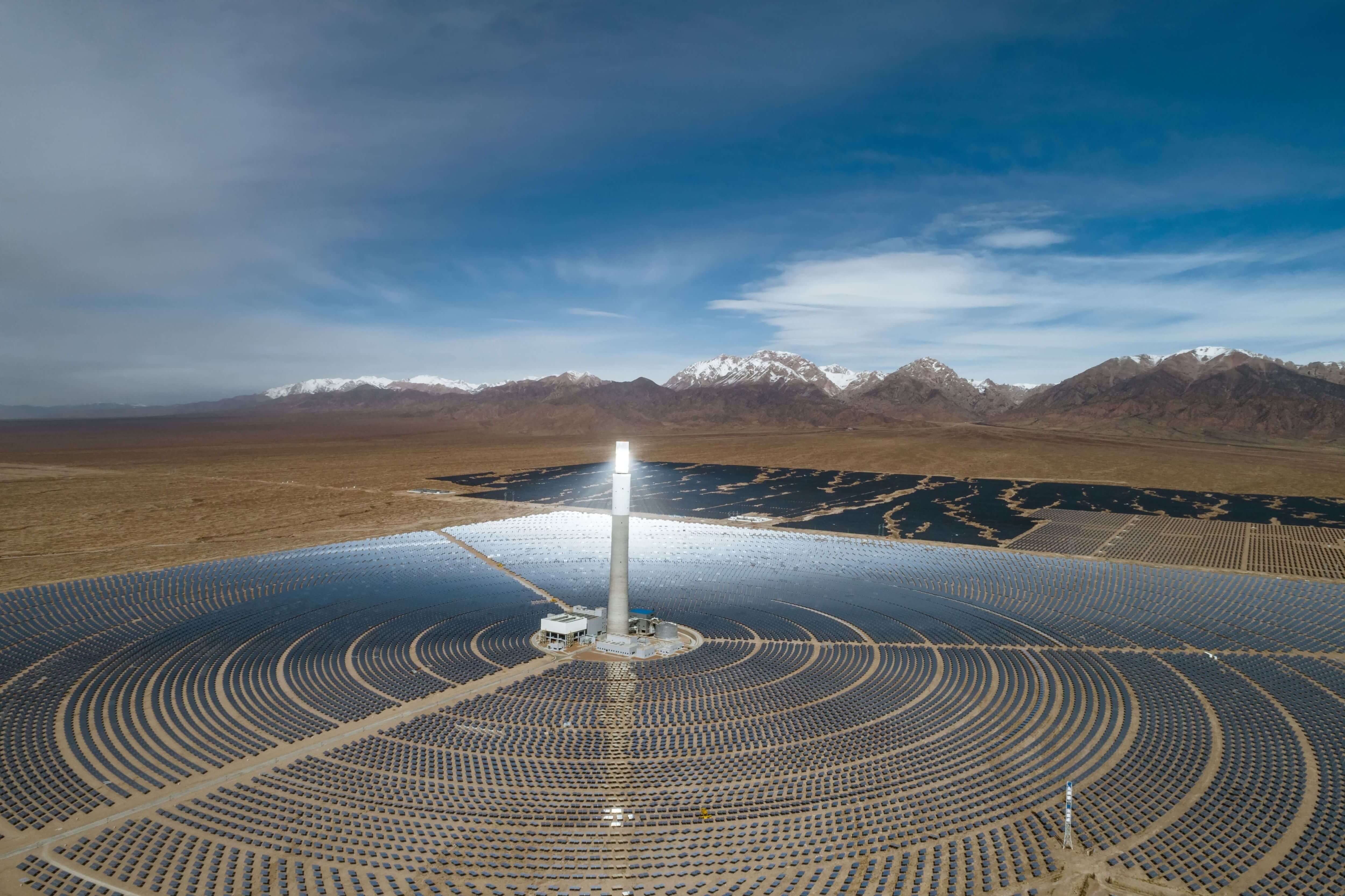 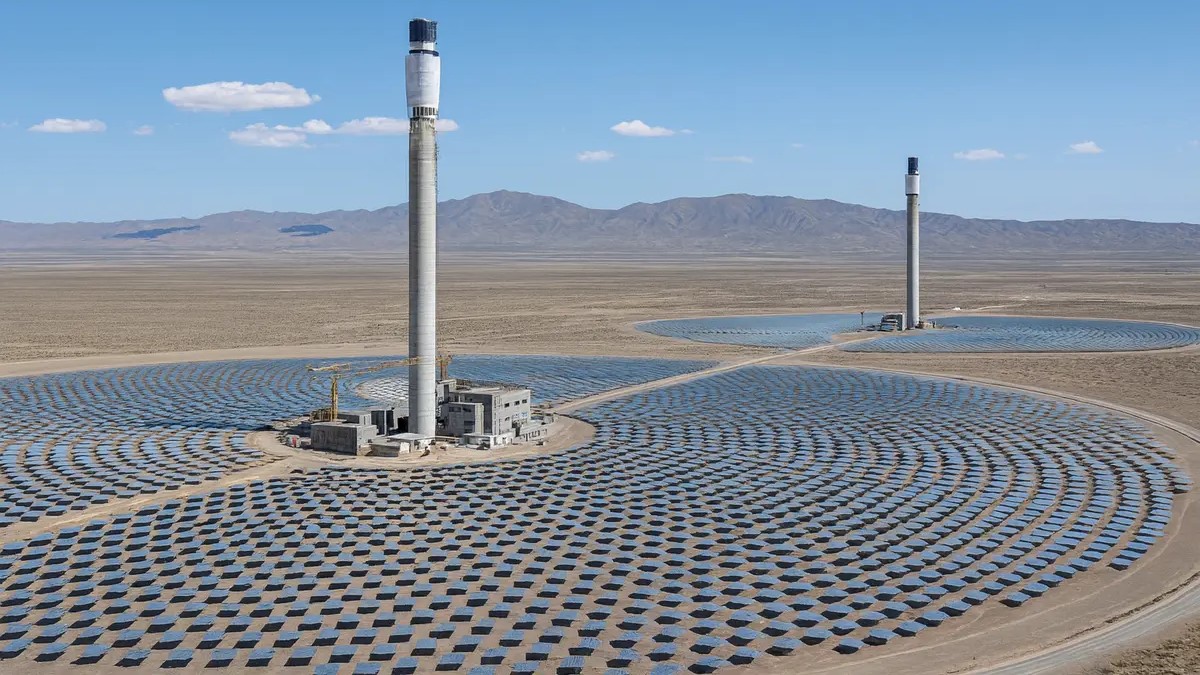 ## Scientists Are Building an “Artificial Sun” in the Desert — And It Could Change How Cities Get Power In a remote desert landscape, something extraordinary is taking shape. Thousands of mirrors stretch across the sand, reflecting sunlight toward a central tower that glows brighter than anything else in sight. Nearby, inside steel chambers and advanced laboratories, scientists are attempting something even more ambitious: recreating the energy process that powers the stars. Researchers and engineers have begun calling the project an **“artificial sun.”** The goal is simple but revolutionary — generate enormous amounts of clean electricity using the same fusion process that fuels the real sun. If successful, this technology could provide nearly unlimited energy for cities while dramatically reducing carbon emissions. ## What Is an Artificial Sun? The term “artificial sun” refers to **nuclear fusion reactors**, experimental machines designed to replicate the reaction happening inside stars. ### How fusion works In the core of the sun, hydrogen atoms collide under extreme heat and pressure. They fuse together to form helium, releasing massive amounts of energy. Scientists are trying to recreate that reaction on Earth. To do this, they: * Heat hydrogen fuel into plasma hotter than the sun’s core * Use powerful magnetic fields to hold the plasma in place * Trigger atomic fusion that releases energy If the process becomes stable and efficient, fusion could provide **clean, abundant electricity with minimal environmental impact.** ## Why the Desert Is the Perfect Location Fusion facilities and large solar energy complexes require huge amounts of space and sunlight. That’s why many experimental projects are being built in desert regions. ### Advantages of desert locations * Up to **300 sunny days per year** * Large open land areas for solar mirror fields * Low population density * Stable ground for heavy infrastructure The desert environment also allows researchers to combine fusion research with **concentrated solar power systems**, creating hybrid energy plants. ## The Role of Giant Mirror Fields One of the most striking features of the facility is the field of heliostats — massive mirrors that follow the sun across the sky. Each mirror reflects sunlight toward a central tower where heat is collected and stored. ### What heliostats do * Concentrate sunlight into extremely high temperatures * Produce steam that spins turbines * Store thermal energy in molten salt tanks * Generate electricity even after sunset This solar system provides immediate renewable power while supporting the experimental fusion infrastructure nearby. ## How the Artificial Sun Could Power Cities The long-term goal is to create power plants that operate around the clock without fossil fuels. Fusion could provide stable electricity regardless of weather conditions, solving one of the biggest challenges facing renewable energy today. ### Potential energy output Component | Purpose | Estimated Impact Solar mirror tower | Daytime renewable electricity | Up to 150,000 homes Fusion test reactors | Experimental constant power | ~50,000 homes in early phases Thermal storage tanks | Nighttime electricity supply | 4–6 hours grid backup Battery systems | Stabilize the grid | Instant response to demand spikes Although these numbers are still projections, the concept shows how multiple technologies could work together to power entire urban areas. ## Why Fusion Energy Is So Important Global electricity demand continues to grow as more systems move toward electrification — from vehicles to heating systems and data centers. Fusion energy offers several advantages compared with traditional power sources. ### Key benefits of fusion power * No greenhouse gas emissions during operation * Fuel derived from hydrogen, one of the most abundant elements * Minimal long-term radioactive waste * No risk of runaway chain reactions Because of these factors, fusion is often described as the **“holy grail of clean energy.”** ## The Biggest Challenges Scientists Still Face Despite decades of research, fusion remains one of the most difficult engineering challenges in modern science. Creating plasma hotter than the sun and controlling it inside a reactor requires incredibly precise technology. ### Major hurdles * Maintaining stable plasma for long periods * Designing materials that survive extreme heat * Scaling experimental reactors into commercial power plants * Reducing costs so electricity becomes affordable Scientists have made major breakthroughs recently, including successful experiments that produced **net energy gain for brief moments**. However, reliable commercial fusion power is still under development. ## Key Takeaways * Scientists are building experimental fusion reactors known as **artificial suns**. * These projects aim to generate massive amounts of clean electricity. * Desert locations provide ideal conditions for solar and fusion infrastructure. * Fusion could eventually deliver constant, low-carbon energy for cities worldwide. While the technology is still evolving, progress is accelerating as governments and private companies invest billions into fusion research. ## Frequently Asked Questions ### What is an artificial sun in energy research? An artificial sun is a nuclear fusion reactor designed to replicate the energy process that powers stars. ### Is fusion energy safer than nuclear power? Fusion generally produces less radioactive waste and cannot trigger runaway chain reactions like traditional nuclear fission plants. ### When will fusion power become widely available? Many experts expect early commercial fusion plants to appear between the **2030s and 2040s**, though timelines remain uncertain. ### Why are fusion experiments built in deserts? Deserts provide strong sunlight, large open land areas, and stable environments for building large energy facilities. ### Could fusion completely replace fossil fuels? Fusion could become a major clean energy source, but it will likely work alongside solar, wind, and other renewable technologies. ## Conclusion For decades, the idea of building a miniature star on Earth sounded like science fiction. Today, that vision is slowly becoming reality in remote deserts where scientists are testing the limits of physics and engineering. The artificial sun projects rising from the sand represent more than an experiment. They represent a new possibility for how humanity powers its future. If fusion energy succeeds, the lights in cities around the world may one day be powered by the same process that makes the stars shine.](https://ozpuff.com.au/wp-content/uploads/2026/03/Scientists-Are-Building-an-Artificial-Sun-in-the-Desert-—-And-It-Could-Change-How-Cities-Get-Power-1024x576.png)