Clogged sinks and stubborn kitchen grime are an everyday frustration—but sometimes the solution is simpler than you think. A straightforward combination of salt and dishwashing liquid can tackle slow drains, remove grease, and even freshen your kitchen without harsh chemicals. It’s a method relying on ingredients you probably already have on hand.
This low-tech remedy has been quietly effective for generations. While modern cleaners promise instant results, a pinch of salt and a few drops of dish soap work through gentle chemistry: the salt scrubs away buildup, the soap dissolves oils, and hot water flushes it all out. The result? A sink that flows freely and a kitchen that smells fresh without the fumes of commercial cleaners.
How Salt and Dish Soap Keep Your Drains Flowing

Slow drains often form from grease, food particles, and soap residue. Over time, these materials cling to pipes, restricting water flow and creating unpleasant odors. The salt-and-soap method offers a surprisingly effective solution.
Step-by-Step Drain Rescue
- Clear the sink – Remove dishes and visible scraps.
- Add salt – Pour 3–4 tablespoons of table salt directly into the drain.
- Add dish soap – Squeeze 2–3 tablespoons over the salt.
- Let it work – Wait 5–10 minutes, allowing the mixture to interact with buildup.
- Flush with hot water – Carefully pour hot (not boiling) water for 30–60 seconds.
| Use Case | How to Apply | Benefits |
|---|---|---|
| Slow kitchen drain | Salt + dish soap, followed by hot water | Breaks down grease, clears mild clogs, neutralizes odors |
| Sink basin cleaning | Make a paste, scrub with sponge | Removes stains, food residue, and light grime |
| Faucet base and drain ring | Apply with small brush, scrub, rinse | Lifts soap scum and mineral deposits |
| Cutting boards | Sprinkle salt, add soap, scrub | Eliminates odors and oily residue |
| Greasy pans | Pre-soak with salt, soap, and hot water | Loosens baked-on grease and sticky films |
This method works best for everyday buildup rather than fully blocked drains. For major clogs, a plunger or professional help may still be necessary.
Beyond the Drain: Everyday Applications
Salt and dish soap can clean metal rings at faucet bases, cutting boards, and porcelain sinks. The salt acts as a gentle abrasive, while the dish soap lifts grease and grime. It’s effective, economical, and safe for most kitchen surfaces.
- Faucet rings: Scrub with a toothbrush to remove mineral deposits.
- Cutting boards: Freshen odors and eliminate food residue.
- Sink surfaces: Remove stains and keep porcelain or stainless steel gleaming.
Why It Works

The magic isn’t really magic—it’s chemistry. Salt provides mechanical scrubbing, dislodging buildup. Dish soap reduces surface tension, breaking up fats and oils so they can be washed away. Hot water softens hardened grease, helping the mixture travel through pipes and surfaces. Together, these elements create a simple, repeatable routine that prevents problems before they start.
Gentle Maintenance for a Cleaner Kitchen
Using this mix monthly can keep drains running smoothly and surfaces clean. It avoids harsh chemical exposure and reduces the need for multiple specialized cleaners cluttering your cabinets. For kitchens with older or plastic piping, always use hot tap water rather than boiling water to protect your plumbing.
In a world dominated by complex products, this humble solution proves that small, thoughtful habits often have the biggest impact. Salt and dishwashing liquid isn’t just a cleaning trick—it’s a way to maintain your kitchen efficiently, safely, and sustainably.
Key Takeaways
- Salt and dish soap gently clear slow drains and freshen odors.
- They can clean sinks, cutting boards, and faucet bases.
- Safe, inexpensive, and effective for regular maintenance.
- Works best with hot water, not boiling water, especially for older pipes.
- A simple ritual can replace multiple specialized cleaners, saving money and space.

By incorporating this small practice, you transform an ordinary chore into a satisfying, effective kitchen routine—bringing a quiet sense of control and care back to one of the busiest spaces in your home.

  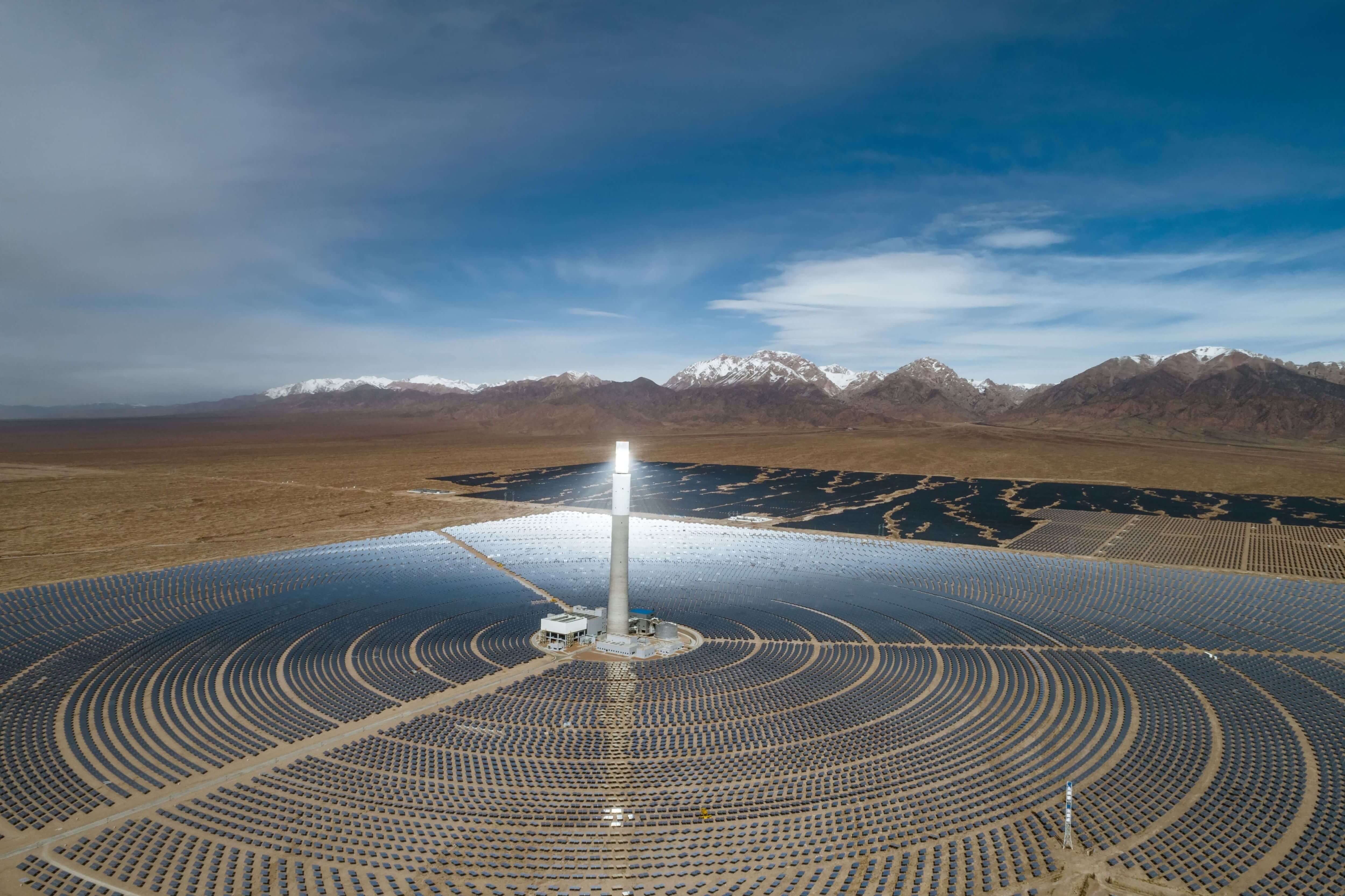 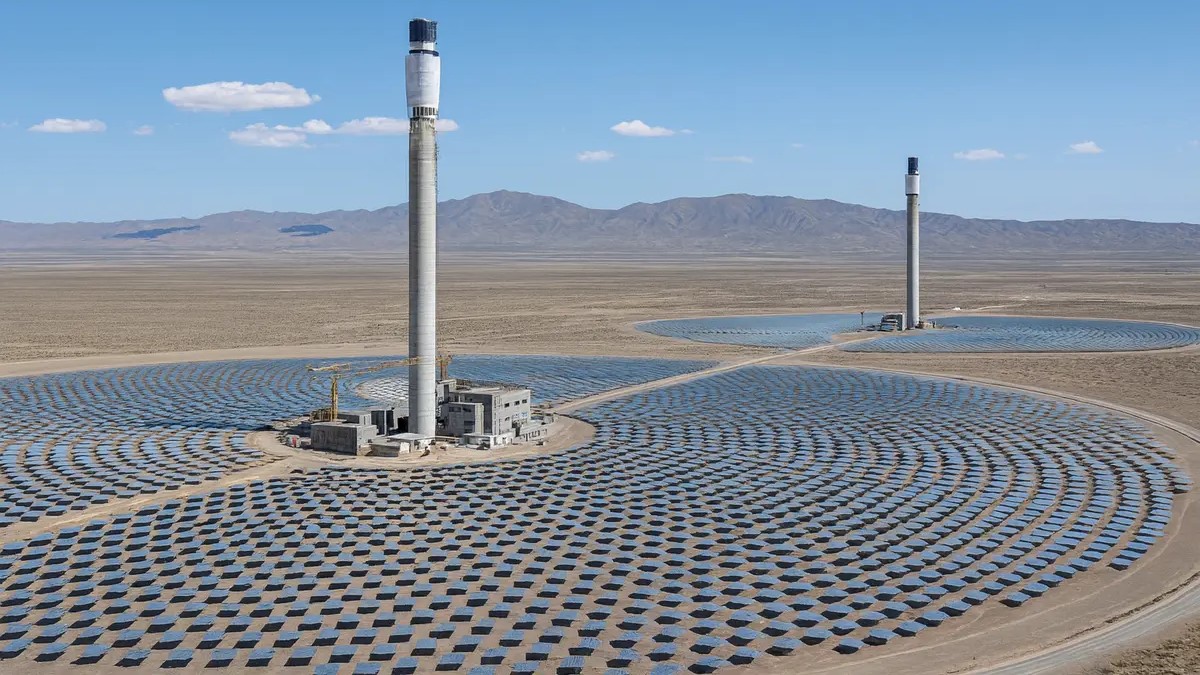 ## Scientists Are Building an “Artificial Sun” in the Desert — And It Could Change How Cities Get Power In a remote desert landscape, something extraordinary is taking shape. Thousands of mirrors stretch across the sand, reflecting sunlight toward a central tower that glows brighter than anything else in sight. Nearby, inside steel chambers and advanced laboratories, scientists are attempting something even more ambitious: recreating the energy process that powers the stars. Researchers and engineers have begun calling the project an **“artificial sun.”** The goal is simple but revolutionary — generate enormous amounts of clean electricity using the same fusion process that fuels the real sun. If successful, this technology could provide nearly unlimited energy for cities while dramatically reducing carbon emissions. ## What Is an Artificial Sun? The term “artificial sun” refers to **nuclear fusion reactors**, experimental machines designed to replicate the reaction happening inside stars. ### How fusion works In the core of the sun, hydrogen atoms collide under extreme heat and pressure. They fuse together to form helium, releasing massive amounts of energy. Scientists are trying to recreate that reaction on Earth. To do this, they: * Heat hydrogen fuel into plasma hotter than the sun’s core * Use powerful magnetic fields to hold the plasma in place * Trigger atomic fusion that releases energy If the process becomes stable and efficient, fusion could provide **clean, abundant electricity with minimal environmental impact.** ## Why the Desert Is the Perfect Location Fusion facilities and large solar energy complexes require huge amounts of space and sunlight. That’s why many experimental projects are being built in desert regions. ### Advantages of desert locations * Up to **300 sunny days per year** * Large open land areas for solar mirror fields * Low population density * Stable ground for heavy infrastructure The desert environment also allows researchers to combine fusion research with **concentrated solar power systems**, creating hybrid energy plants. ## The Role of Giant Mirror Fields One of the most striking features of the facility is the field of heliostats — massive mirrors that follow the sun across the sky. Each mirror reflects sunlight toward a central tower where heat is collected and stored. ### What heliostats do * Concentrate sunlight into extremely high temperatures * Produce steam that spins turbines * Store thermal energy in molten salt tanks * Generate electricity even after sunset This solar system provides immediate renewable power while supporting the experimental fusion infrastructure nearby. ## How the Artificial Sun Could Power Cities The long-term goal is to create power plants that operate around the clock without fossil fuels. Fusion could provide stable electricity regardless of weather conditions, solving one of the biggest challenges facing renewable energy today. ### Potential energy output Component | Purpose | Estimated Impact Solar mirror tower | Daytime renewable electricity | Up to 150,000 homes Fusion test reactors | Experimental constant power | ~50,000 homes in early phases Thermal storage tanks | Nighttime electricity supply | 4–6 hours grid backup Battery systems | Stabilize the grid | Instant response to demand spikes Although these numbers are still projections, the concept shows how multiple technologies could work together to power entire urban areas. ## Why Fusion Energy Is So Important Global electricity demand continues to grow as more systems move toward electrification — from vehicles to heating systems and data centers. Fusion energy offers several advantages compared with traditional power sources. ### Key benefits of fusion power * No greenhouse gas emissions during operation * Fuel derived from hydrogen, one of the most abundant elements * Minimal long-term radioactive waste * No risk of runaway chain reactions Because of these factors, fusion is often described as the **“holy grail of clean energy.”** ## The Biggest Challenges Scientists Still Face Despite decades of research, fusion remains one of the most difficult engineering challenges in modern science. Creating plasma hotter than the sun and controlling it inside a reactor requires incredibly precise technology. ### Major hurdles * Maintaining stable plasma for long periods * Designing materials that survive extreme heat * Scaling experimental reactors into commercial power plants * Reducing costs so electricity becomes affordable Scientists have made major breakthroughs recently, including successful experiments that produced **net energy gain for brief moments**. However, reliable commercial fusion power is still under development. ## Key Takeaways * Scientists are building experimental fusion reactors known as **artificial suns**. * These projects aim to generate massive amounts of clean electricity. * Desert locations provide ideal conditions for solar and fusion infrastructure. * Fusion could eventually deliver constant, low-carbon energy for cities worldwide. While the technology is still evolving, progress is accelerating as governments and private companies invest billions into fusion research. ## Frequently Asked Questions ### What is an artificial sun in energy research? An artificial sun is a nuclear fusion reactor designed to replicate the energy process that powers stars. ### Is fusion energy safer than nuclear power? Fusion generally produces less radioactive waste and cannot trigger runaway chain reactions like traditional nuclear fission plants. ### When will fusion power become widely available? Many experts expect early commercial fusion plants to appear between the **2030s and 2040s**, though timelines remain uncertain. ### Why are fusion experiments built in deserts? Deserts provide strong sunlight, large open land areas, and stable environments for building large energy facilities. ### Could fusion completely replace fossil fuels? Fusion could become a major clean energy source, but it will likely work alongside solar, wind, and other renewable technologies. ## Conclusion For decades, the idea of building a miniature star on Earth sounded like science fiction. Today, that vision is slowly becoming reality in remote deserts where scientists are testing the limits of physics and engineering. The artificial sun projects rising from the sand represent more than an experiment. They represent a new possibility for how humanity powers its future. If fusion energy succeeds, the lights in cities around the world may one day be powered by the same process that makes the stars shine.](https://ozpuff.com.au/wp-content/uploads/2026/03/Scientists-Are-Building-an-Artificial-Sun-in-the-Desert-—-And-It-Could-Change-How-Cities-Get-Power-1024x576.png)