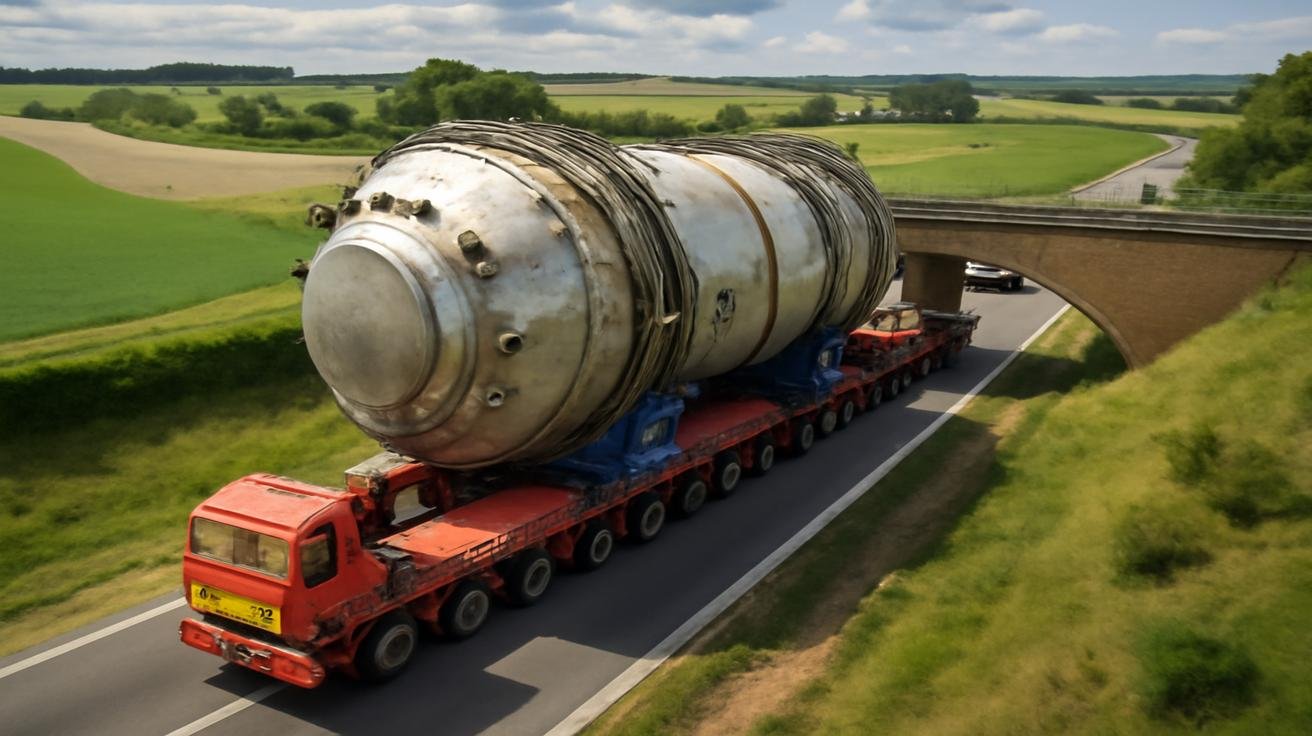
A massive 500-ton steel component has arrived at the Hinkley Point C nuclear site in Somerset, completing a meticulously planned 1,000-kilometre journey from France. This colossal piece is a critical element for the new European Pressurized Reactor (EPR) units, designed to supply low-carbon power to millions of homes in the UK. Beyond its sheer size, the delivery represents a triumph of engineering, logistics, and international collaboration in modern energy infrastructure.
Early on a crisp March morning, the barge carrying the steel ring glided silently up the Severn Estuary. Floodlights illuminated its curved surface, and workers in hi-vis jackets orchestrated its landing with precision. The component, taller than a house and heavier than a fleet of passenger jets, symbolizes the industrial discipline required to build the next generation of nuclear power.
Forged in France: Crafting a Nuclear-Grade Titan

The journey began in France, at a specialized facility with decades of nuclear steel manufacturing expertise. Inside the factory, molten steel was shaped, cooled, and machined into exacting tolerances. Every weld, curve, and surface underwent rigorous inspection, from ultrasonic testing to radiography, ensuring the component could withstand extreme pressures and temperatures near a reactor core.
| Process Stage | Key Details |
|---|---|
| Fabrication | Specialized nuclear-grade steel shaped under gantry cranes |
| Inspection | Ultrasonic, radiographic, and metallurgical testing |
| Documentation | Detailed records of welds, thermal histories, and certificates |
| Preparation | Secured onto transport cradles for a multi-modal journey |
Metallurgists and engineers treated each millimetre with care, aware that any flaw could compromise decades of reactor performance. For them, the steel was more than a component—it was a testament to industrial precision and nuclear expertise.
Navigating 1,000 km: Rivers, Locks, and Open Sea
Transporting a 500-ton object is no small feat. Standard roads, railways, and vehicles cannot handle such weight, so planners designed a route combining road, river, and sea. Initially loaded onto a specialized trailer, the component moved slowly through French towns under constant supervision. At the quayside, it transferred to a reinforced barge, entering the labyrinth of rivers, locks, and estuaries.

Crossing the English Channel introduced new challenges: tides, winds, and waves demanded careful timing and contingency planning. Tugboats guided the barge through swells while engineers monitored every movement to maintain balance and integrity. The final leg involved threading the component up a tidal river and onto the Somerset shore, where cranes and self-propelled modular transporters completed the delicate landing.
Hinkley Point C: A Landscape of Nuclear Ambition
Hinkley Point C is the UK’s largest new nuclear project in decades, featuring two EPR units designed to provide stable, low-carbon electricity well into the 2050s. This newly delivered steel ring will form part of the reactor’s core systems, helping to manage extreme heat and pressure safely and reliably. Its arrival signals the transition from civil works—foundations and concrete pours—to the installation of permanent nuclear systems.
| Feature | Impact |
|---|---|
| Component weight | 500 tons |
| Journey distance | ~1,000 km (road, river, sea) |
| Role | Critical nuclear-grade piece for EPR reactor core |
| Countries involved | France (manufacture) and UK (installation) |
The component’s presence underscores the scale and precision required in nuclear construction, where even a single piece of steel carries decades of operational importance.
Why This Matters

Deliveries like this highlight the complexity of modern energy infrastructure. They demonstrate how European expertise and cross-border collaboration enable ambitious low-carbon projects. For Britain, it represents a step toward decarbonization and energy security. For the industry, it is proof that with meticulous planning and engineering discipline, even the heaviest and most delicate components can travel safely from forge to reactor.
The 1,000-kilometre journey of this 500-ton steel giant is more than logistics—it is a visible marker of the quiet, ongoing revolution in how Europe powers its future. As it settles into its place within Hinkley Point C, it reminds us that behind every megawatt of clean energy is a story of steel, skill, and careful human coordination.

  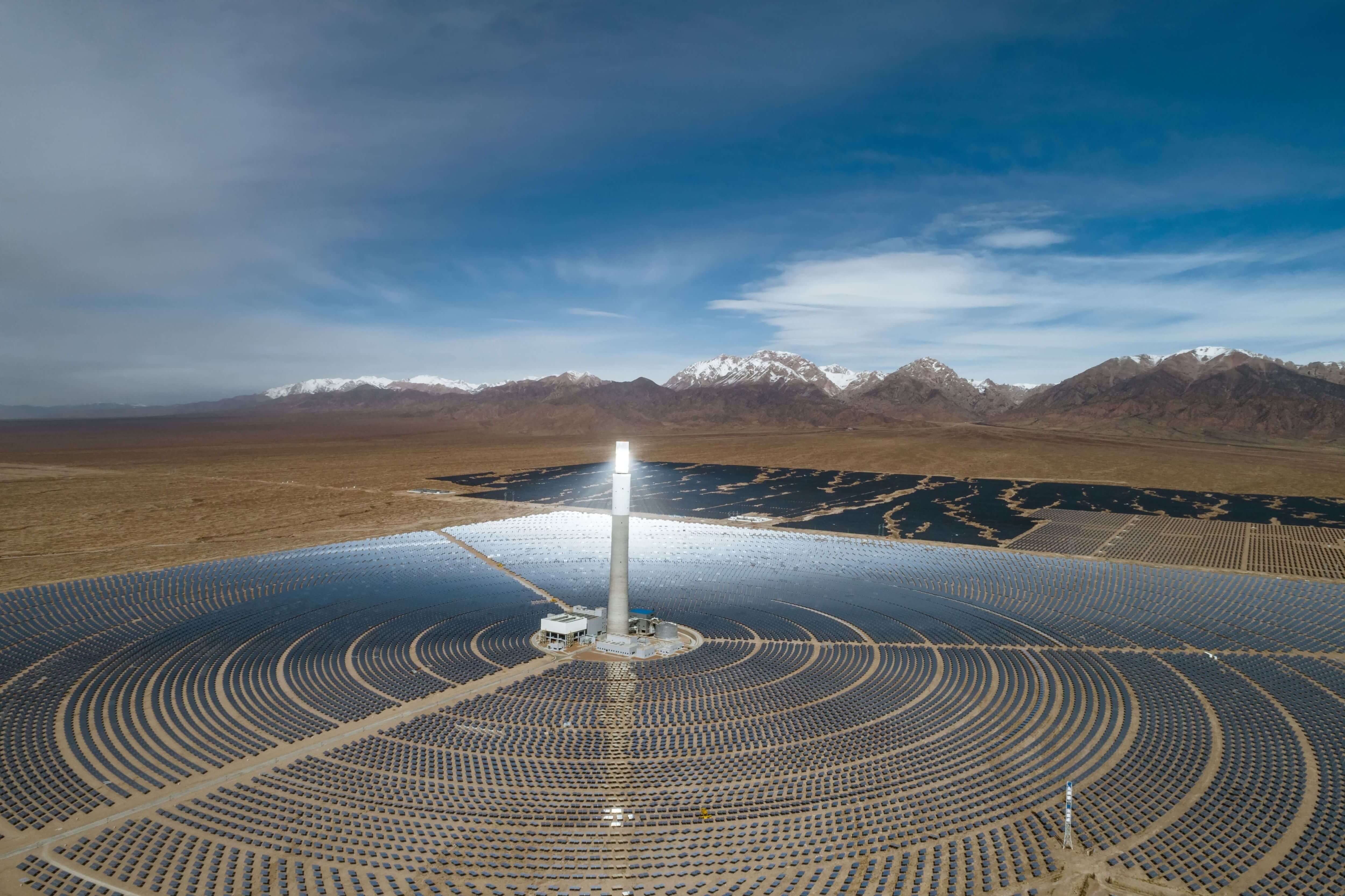 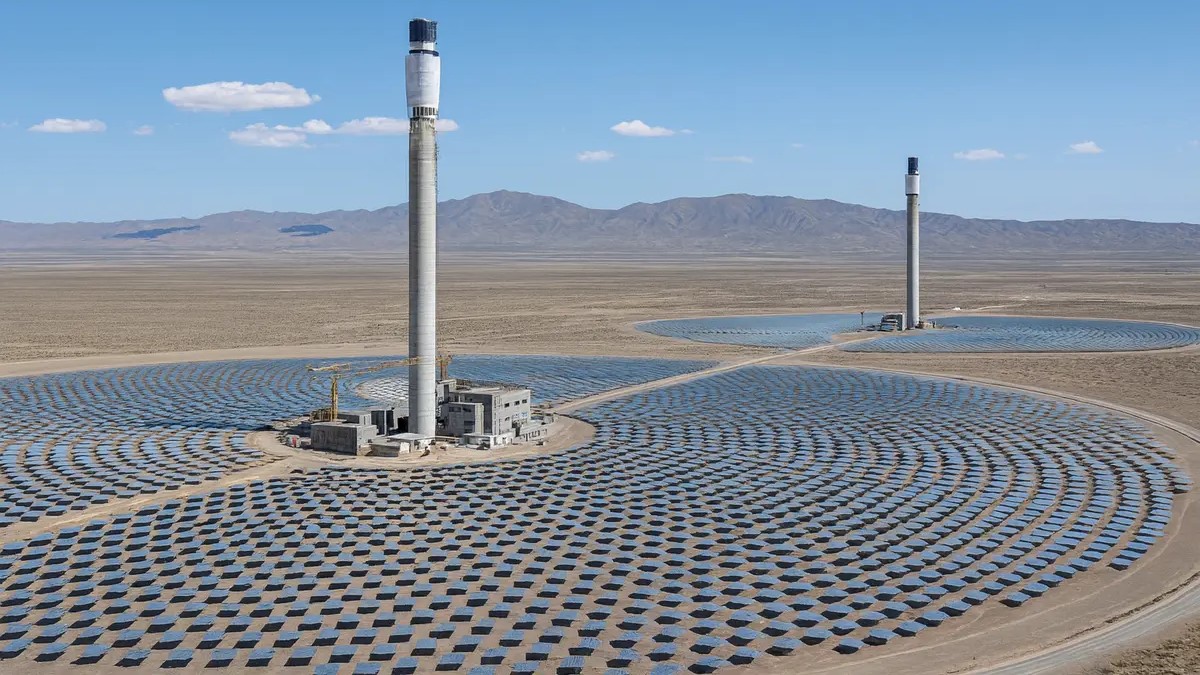 ## Scientists Are Building an “Artificial Sun” in the Desert — And It Could Change How Cities Get Power In a remote desert landscape, something extraordinary is taking shape. Thousands of mirrors stretch across the sand, reflecting sunlight toward a central tower that glows brighter than anything else in sight. Nearby, inside steel chambers and advanced laboratories, scientists are attempting something even more ambitious: recreating the energy process that powers the stars. Researchers and engineers have begun calling the project an **“artificial sun.”** The goal is simple but revolutionary — generate enormous amounts of clean electricity using the same fusion process that fuels the real sun. If successful, this technology could provide nearly unlimited energy for cities while dramatically reducing carbon emissions. ## What Is an Artificial Sun? The term “artificial sun” refers to **nuclear fusion reactors**, experimental machines designed to replicate the reaction happening inside stars. ### How fusion works In the core of the sun, hydrogen atoms collide under extreme heat and pressure. They fuse together to form helium, releasing massive amounts of energy. Scientists are trying to recreate that reaction on Earth. To do this, they: * Heat hydrogen fuel into plasma hotter than the sun’s core * Use powerful magnetic fields to hold the plasma in place * Trigger atomic fusion that releases energy If the process becomes stable and efficient, fusion could provide **clean, abundant electricity with minimal environmental impact.** ## Why the Desert Is the Perfect Location Fusion facilities and large solar energy complexes require huge amounts of space and sunlight. That’s why many experimental projects are being built in desert regions. ### Advantages of desert locations * Up to **300 sunny days per year** * Large open land areas for solar mirror fields * Low population density * Stable ground for heavy infrastructure The desert environment also allows researchers to combine fusion research with **concentrated solar power systems**, creating hybrid energy plants. ## The Role of Giant Mirror Fields One of the most striking features of the facility is the field of heliostats — massive mirrors that follow the sun across the sky. Each mirror reflects sunlight toward a central tower where heat is collected and stored. ### What heliostats do * Concentrate sunlight into extremely high temperatures * Produce steam that spins turbines * Store thermal energy in molten salt tanks * Generate electricity even after sunset This solar system provides immediate renewable power while supporting the experimental fusion infrastructure nearby. ## How the Artificial Sun Could Power Cities The long-term goal is to create power plants that operate around the clock without fossil fuels. Fusion could provide stable electricity regardless of weather conditions, solving one of the biggest challenges facing renewable energy today. ### Potential energy output Component | Purpose | Estimated Impact Solar mirror tower | Daytime renewable electricity | Up to 150,000 homes Fusion test reactors | Experimental constant power | ~50,000 homes in early phases Thermal storage tanks | Nighttime electricity supply | 4–6 hours grid backup Battery systems | Stabilize the grid | Instant response to demand spikes Although these numbers are still projections, the concept shows how multiple technologies could work together to power entire urban areas. ## Why Fusion Energy Is So Important Global electricity demand continues to grow as more systems move toward electrification — from vehicles to heating systems and data centers. Fusion energy offers several advantages compared with traditional power sources. ### Key benefits of fusion power * No greenhouse gas emissions during operation * Fuel derived from hydrogen, one of the most abundant elements * Minimal long-term radioactive waste * No risk of runaway chain reactions Because of these factors, fusion is often described as the **“holy grail of clean energy.”** ## The Biggest Challenges Scientists Still Face Despite decades of research, fusion remains one of the most difficult engineering challenges in modern science. Creating plasma hotter than the sun and controlling it inside a reactor requires incredibly precise technology. ### Major hurdles * Maintaining stable plasma for long periods * Designing materials that survive extreme heat * Scaling experimental reactors into commercial power plants * Reducing costs so electricity becomes affordable Scientists have made major breakthroughs recently, including successful experiments that produced **net energy gain for brief moments**. However, reliable commercial fusion power is still under development. ## Key Takeaways * Scientists are building experimental fusion reactors known as **artificial suns**. * These projects aim to generate massive amounts of clean electricity. * Desert locations provide ideal conditions for solar and fusion infrastructure. * Fusion could eventually deliver constant, low-carbon energy for cities worldwide. While the technology is still evolving, progress is accelerating as governments and private companies invest billions into fusion research. ## Frequently Asked Questions ### What is an artificial sun in energy research? An artificial sun is a nuclear fusion reactor designed to replicate the energy process that powers stars. ### Is fusion energy safer than nuclear power? Fusion generally produces less radioactive waste and cannot trigger runaway chain reactions like traditional nuclear fission plants. ### When will fusion power become widely available? Many experts expect early commercial fusion plants to appear between the **2030s and 2040s**, though timelines remain uncertain. ### Why are fusion experiments built in deserts? Deserts provide strong sunlight, large open land areas, and stable environments for building large energy facilities. ### Could fusion completely replace fossil fuels? Fusion could become a major clean energy source, but it will likely work alongside solar, wind, and other renewable technologies. ## Conclusion For decades, the idea of building a miniature star on Earth sounded like science fiction. Today, that vision is slowly becoming reality in remote deserts where scientists are testing the limits of physics and engineering. The artificial sun projects rising from the sand represent more than an experiment. They represent a new possibility for how humanity powers its future. If fusion energy succeeds, the lights in cities around the world may one day be powered by the same process that makes the stars shine.](https://ozpuff.com.au/wp-content/uploads/2026/03/Scientists-Are-Building-an-Artificial-Sun-in-the-Desert-—-And-It-Could-Change-How-Cities-Get-Power-1024x576.png)