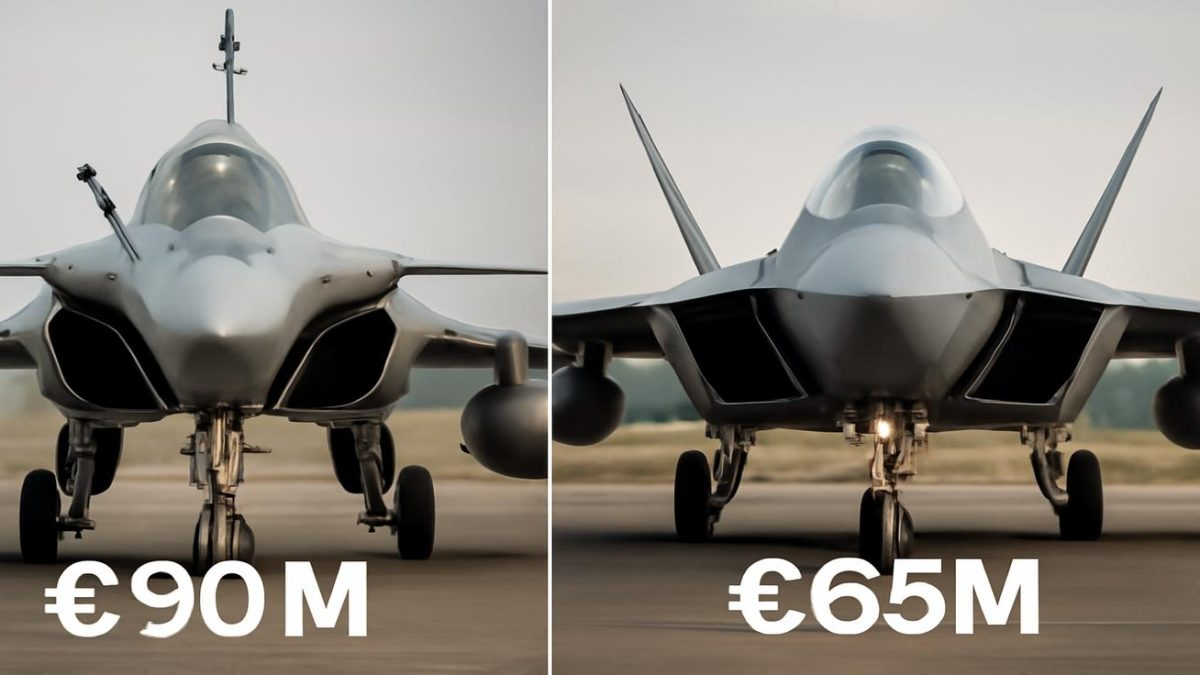
The fighter jet market in Asia is undergoing a notable shake-up. For decades, France’s Rafale dominated mid-range combat aircraft sales across the region, from Southeast Asia to the Indian subcontinent. That status quo is now being challenged by South Korea’s homegrown KF-21 Boramae, a jet that combines advanced capabilities with a price point €25 million lower per unit than the Rafale. For countries balancing modern defense needs with budget realities, this difference is a game-changer.
Beyond price, the KF-21 represents South Korea’s strategic ambition to reshape defense manufacturing in Asia. The aircraft offers interoperability with NATO-standard systems, modern avionics, and an operationally ready platform, giving air forces the chance to modernize without a steep learning curve. Nations like Indonesia, Malaysia, the Philippines, and India are already evaluating its potential.
Competitive Pricing and Industrial Flexibility

The KF-21 entered service with the Republic of Korea Air Force in 2023, marking the culmination of nearly 20 years of development. Analysts estimate its flyaway cost at €58–62 million, compared with the Rafale’s €85–90 million. For defense budgets constrained to a few billion euros, this gap allows procurement of additional aircraft, spare parts, and training infrastructure.
A major differentiator is South Korea’s willingness to support licensed production and local assembly. This industrial cooperation not only lowers costs but also builds sovereign capabilities for partner nations—something traditional Western suppliers have historically resisted.
| Aircraft | Estimated Unit Cost (€M) | Operational Range (km) | Max Speed (Mach) | Combat Radius (km) |
|---|---|---|---|---|
| KF-21 Boramae | 58–62 | 2,800+ | 1.8+ | 1,100 |
| Rafale | 85–90 | 3,700 | 2.0 | 1,370 |
| Gripen E/F | 80–85 | 3,000 | 1.9 | 1,300 |
Matching Capability with Modern Technology
The KF-21’s performance aligns closely with the Rafale. It features a stealth-optimized fuselage, AESA radar from LIG Nex1, and a fully integrated avionics suite. Payload capacity is around 6.8 tons, compatible with NATO weapons such as air-to-air missiles and precision-guided munitions. Open architecture and partnerships with American, European, and Israeli manufacturers further enhance operational flexibility.

For air forces transitioning from fourth-generation jets like the F-16, the KF-21 offers a manageable learning curve. Training requirements remain minimal, and compatibility with existing defense ecosystems reduces both operational disruption and costs.
Strategic Appeal for Asian Air Forces
Southeast Asian nations face common challenges: aging fleets, limited defense budgets, and the need to respond to evolving regional threats. The KF-21 provides an attractive balance of affordability, capability, and industrial partnership.
| Country | Current Fleet Status | Procurement Timeline | Likely Contenders |
|---|---|---|---|
| Indonesia | 28 F-16C/D (aging) | 2025–2030 | Rafale, KF-21, Gripen E |
| Malaysia | 18 F/A-18D, 8 MiG-29 | 2026–2032 | Rafale, KF-21, Gripen E |
| Philippines | 12 F-16C/D | 2025–2031 | Rafale, KF-21, Gripen E |
| Vietnam | Fleet modernization ongoing | 2024–2029 | Gripen E, Rafale, KF-21 |
| India | 272 fighters (mixed) | 2024–2035 | KF-21, Gripen E, Rafale |
South Korea promotes regional assembly lines and maintenance hubs, allowing partner nations to cultivate domestic defense industries while reducing costs. In contrast, Dassault’s Rafale relies on centralized production, which maintains quality but limits industrial autonomy.
Operational Maturity and Technical Edge

While the Rafale boasts decades of combat experience, the KF-21 is rapidly proving itself in operational settings. Early deployments have demonstrated reliable performance, intuitive avionics, and maintenance accessibility. Its digital systems, developed in the 2010s, integrate modern cybersecurity and cloud-compatible architecture—key advantages in network-centric warfare.
Stealth design, engine commonality with established platforms, and incremental technological improvements narrow the gap with the Rafale. Analysts note that, where Rafale once held decisive advantages, the KF-21 now competes effectively across most operational metrics, making price a key deciding factor for budget-conscious air forces.
Conclusion: Shifting the Balance in Fighter Procurement
The KF-21’s emergence signals a long-anticipated correction in the Asian fighter market. Western dominance, long insulated by experience and relationships, now faces credible competition. The Rafale remains a proven, capable aircraft with unmatched operational heritage, but the combination of cost savings, industrial partnership, and modern technology positions the KF-21 as a serious contender.
Over the next five years, Southeast Asia and India are likely to see significant KF-21 acquisitions. Nations will weigh proven combat experience against affordability, industrial benefits, and strategic autonomy. The result is a fundamentally reshaped fighter procurement landscape—one that rewards innovation, partnership, and long-term value.

  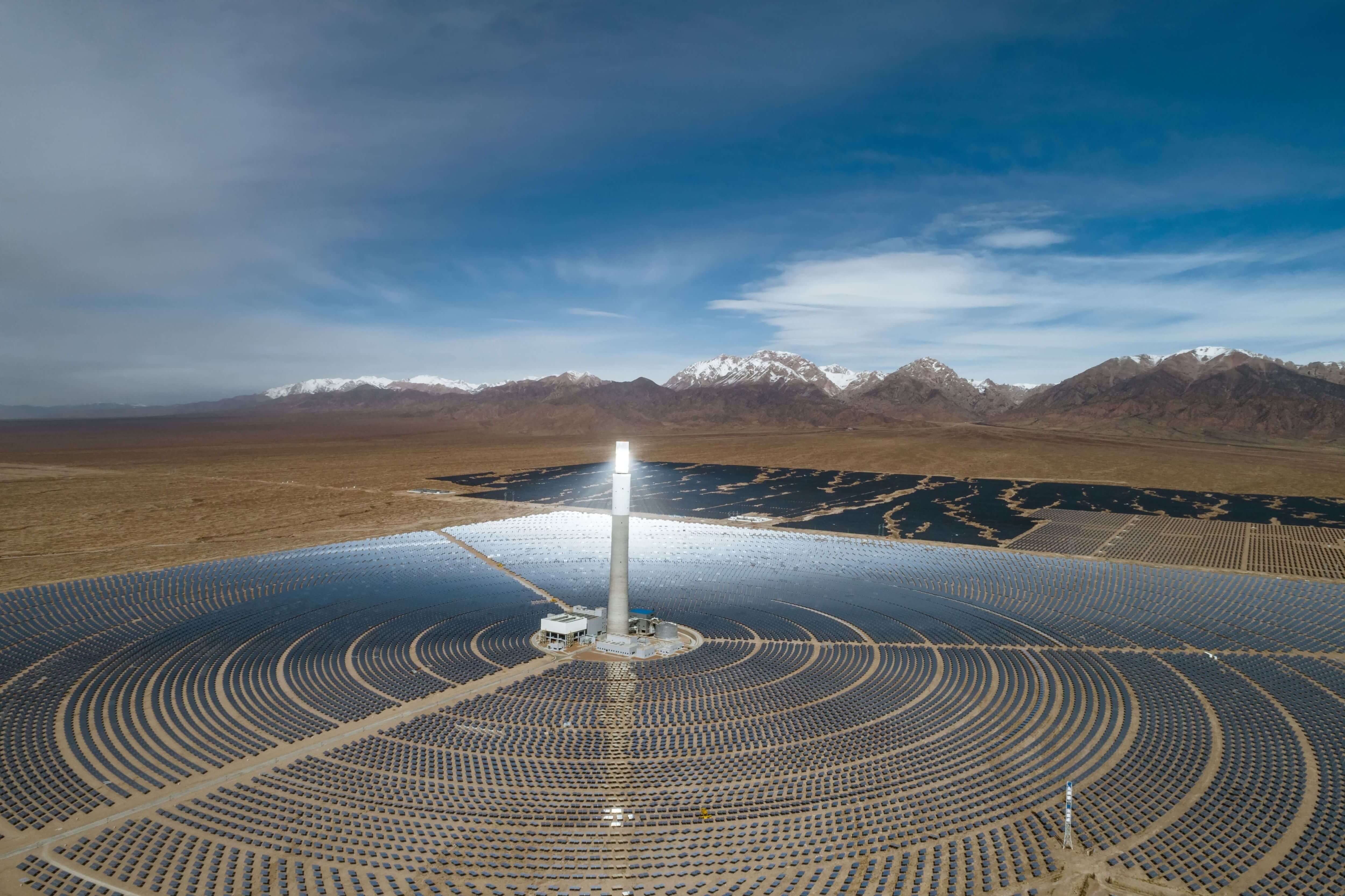 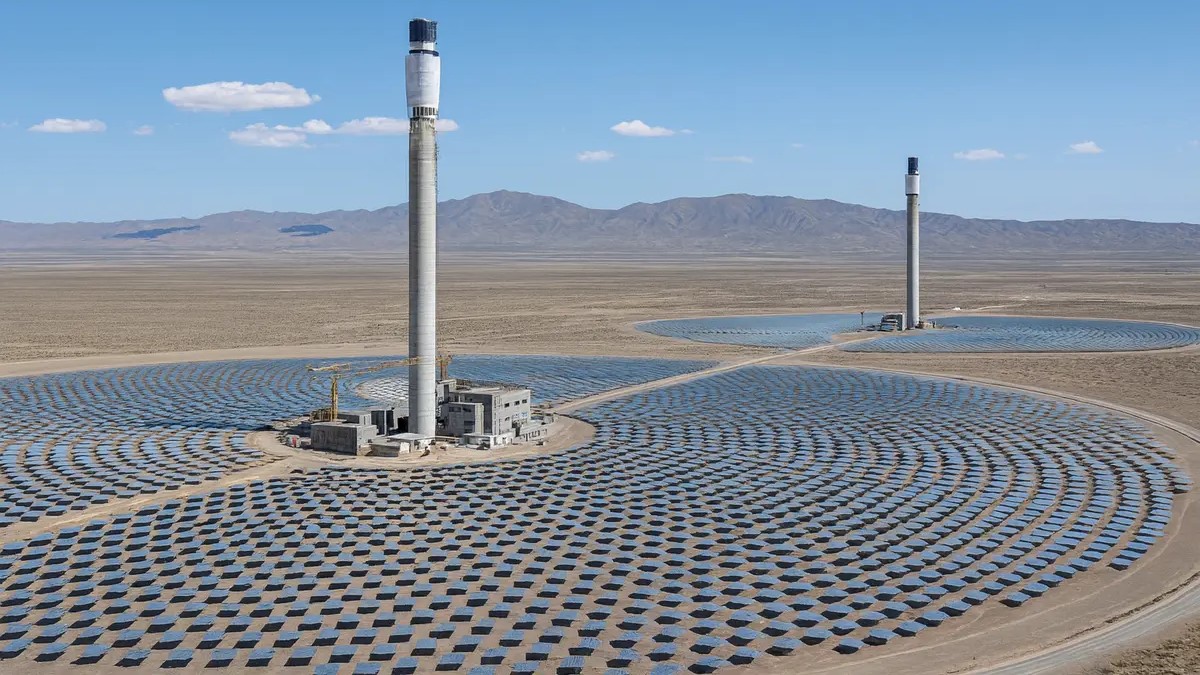 ## Scientists Are Building an “Artificial Sun” in the Desert — And It Could Change How Cities Get Power In a remote desert landscape, something extraordinary is taking shape. Thousands of mirrors stretch across the sand, reflecting sunlight toward a central tower that glows brighter than anything else in sight. Nearby, inside steel chambers and advanced laboratories, scientists are attempting something even more ambitious: recreating the energy process that powers the stars. Researchers and engineers have begun calling the project an **“artificial sun.”** The goal is simple but revolutionary — generate enormous amounts of clean electricity using the same fusion process that fuels the real sun. If successful, this technology could provide nearly unlimited energy for cities while dramatically reducing carbon emissions. ## What Is an Artificial Sun? The term “artificial sun” refers to **nuclear fusion reactors**, experimental machines designed to replicate the reaction happening inside stars. ### How fusion works In the core of the sun, hydrogen atoms collide under extreme heat and pressure. They fuse together to form helium, releasing massive amounts of energy. Scientists are trying to recreate that reaction on Earth. To do this, they: * Heat hydrogen fuel into plasma hotter than the sun’s core * Use powerful magnetic fields to hold the plasma in place * Trigger atomic fusion that releases energy If the process becomes stable and efficient, fusion could provide **clean, abundant electricity with minimal environmental impact.** ## Why the Desert Is the Perfect Location Fusion facilities and large solar energy complexes require huge amounts of space and sunlight. That’s why many experimental projects are being built in desert regions. ### Advantages of desert locations * Up to **300 sunny days per year** * Large open land areas for solar mirror fields * Low population density * Stable ground for heavy infrastructure The desert environment also allows researchers to combine fusion research with **concentrated solar power systems**, creating hybrid energy plants. ## The Role of Giant Mirror Fields One of the most striking features of the facility is the field of heliostats — massive mirrors that follow the sun across the sky. Each mirror reflects sunlight toward a central tower where heat is collected and stored. ### What heliostats do * Concentrate sunlight into extremely high temperatures * Produce steam that spins turbines * Store thermal energy in molten salt tanks * Generate electricity even after sunset This solar system provides immediate renewable power while supporting the experimental fusion infrastructure nearby. ## How the Artificial Sun Could Power Cities The long-term goal is to create power plants that operate around the clock without fossil fuels. Fusion could provide stable electricity regardless of weather conditions, solving one of the biggest challenges facing renewable energy today. ### Potential energy output Component | Purpose | Estimated Impact Solar mirror tower | Daytime renewable electricity | Up to 150,000 homes Fusion test reactors | Experimental constant power | ~50,000 homes in early phases Thermal storage tanks | Nighttime electricity supply | 4–6 hours grid backup Battery systems | Stabilize the grid | Instant response to demand spikes Although these numbers are still projections, the concept shows how multiple technologies could work together to power entire urban areas. ## Why Fusion Energy Is So Important Global electricity demand continues to grow as more systems move toward electrification — from vehicles to heating systems and data centers. Fusion energy offers several advantages compared with traditional power sources. ### Key benefits of fusion power * No greenhouse gas emissions during operation * Fuel derived from hydrogen, one of the most abundant elements * Minimal long-term radioactive waste * No risk of runaway chain reactions Because of these factors, fusion is often described as the **“holy grail of clean energy.”** ## The Biggest Challenges Scientists Still Face Despite decades of research, fusion remains one of the most difficult engineering challenges in modern science. Creating plasma hotter than the sun and controlling it inside a reactor requires incredibly precise technology. ### Major hurdles * Maintaining stable plasma for long periods * Designing materials that survive extreme heat * Scaling experimental reactors into commercial power plants * Reducing costs so electricity becomes affordable Scientists have made major breakthroughs recently, including successful experiments that produced **net energy gain for brief moments**. However, reliable commercial fusion power is still under development. ## Key Takeaways * Scientists are building experimental fusion reactors known as **artificial suns**. * These projects aim to generate massive amounts of clean electricity. * Desert locations provide ideal conditions for solar and fusion infrastructure. * Fusion could eventually deliver constant, low-carbon energy for cities worldwide. While the technology is still evolving, progress is accelerating as governments and private companies invest billions into fusion research. ## Frequently Asked Questions ### What is an artificial sun in energy research? An artificial sun is a nuclear fusion reactor designed to replicate the energy process that powers stars. ### Is fusion energy safer than nuclear power? Fusion generally produces less radioactive waste and cannot trigger runaway chain reactions like traditional nuclear fission plants. ### When will fusion power become widely available? Many experts expect early commercial fusion plants to appear between the **2030s and 2040s**, though timelines remain uncertain. ### Why are fusion experiments built in deserts? Deserts provide strong sunlight, large open land areas, and stable environments for building large energy facilities. ### Could fusion completely replace fossil fuels? Fusion could become a major clean energy source, but it will likely work alongside solar, wind, and other renewable technologies. ## Conclusion For decades, the idea of building a miniature star on Earth sounded like science fiction. Today, that vision is slowly becoming reality in remote deserts where scientists are testing the limits of physics and engineering. The artificial sun projects rising from the sand represent more than an experiment. They represent a new possibility for how humanity powers its future. If fusion energy succeeds, the lights in cities around the world may one day be powered by the same process that makes the stars shine.](https://ozpuff.com.au/wp-content/uploads/2026/03/Scientists-Are-Building-an-Artificial-Sun-in-the-Desert-—-And-It-Could-Change-How-Cities-Get-Power-1024x576.png)