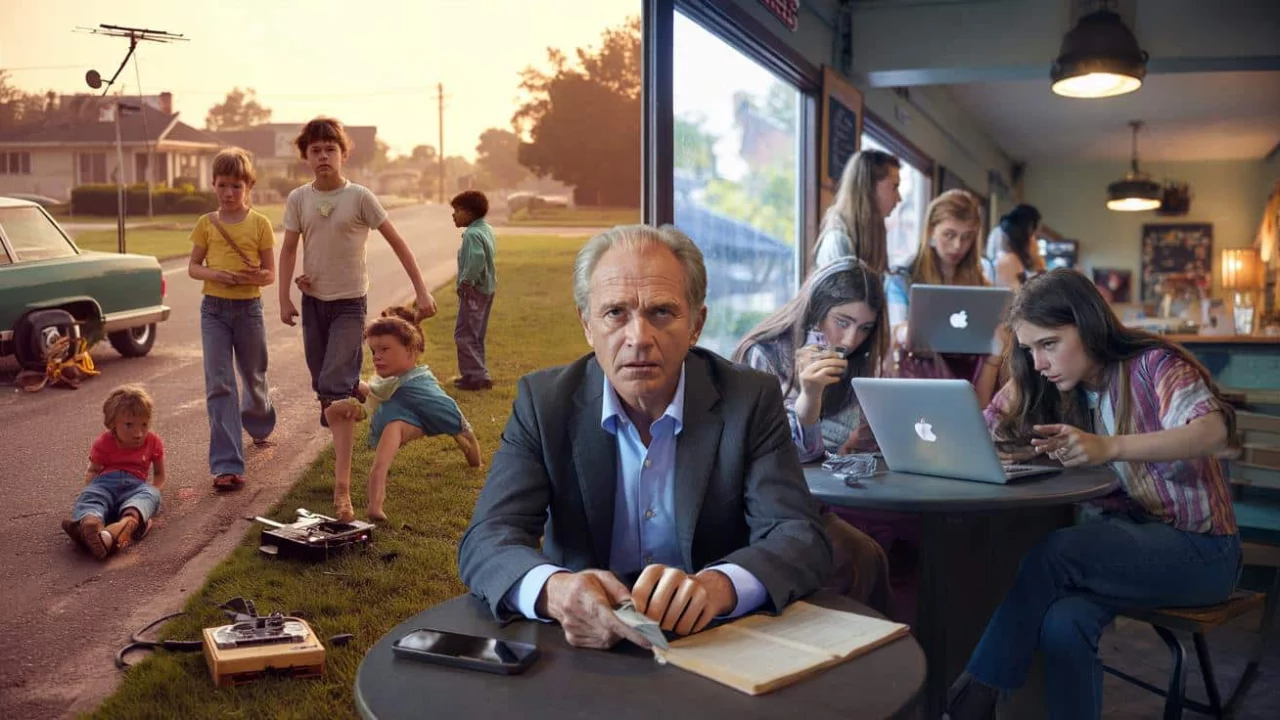
Modern life is saturated with screens, notifications, and constant stimulation. Kids rarely face genuine boredom, and adults are constantly “plugged in.” But decades ago, children grew up under very different conditions—unstructured play, minimal supervision, and fewer entertainment options. Psychologists reveal that those raised in the 1960s and 1970s developed seven distinct mental strengths that have become increasingly rare today. Understanding these abilities can shed light on resilience, creativity, and focus.
These strengths weren’t taught—they were forged by circumstance. Limited technology, unsupervised independence, and periods of solitude created conditions that promoted problem-solving, emotional regulation, and long-term planning.
Boredom Tolerance and Creative Problem-Solving

Children of the ’60s and ’70s didn’t have streaming services or social media. Boredom was inevitable, not a problem to fix.
- How it developed: Kids built forts, invented games, or pursued personal hobbies for hours, generating internal motivation without external rewards.
- Modern contrast: Constant stimulation today reduces the ability to focus deeply and solve problems creatively.
Impact: Tolerating boredom strengthened neural pathways for innovation and independent thinking.
Emotional Regulation and Frustration Tolerance
Parental guidance in the 1960s and 1970s was minimal. Children were often told to “deal with it” when upset.
- Development method: Limited adult intervention encouraged children to process emotions independently through activity, creative outlets, or peer support.
- Modern challenge: Today, children often rely on constant validation or structured therapy.

Impact: Emotional resilience helps adults handle stress, navigate relationships, and persist through setbacks.
Independent Decision-Making and Risk Assessment
Unsupervised outdoor play was the norm.
- Development method: Kids explored neighborhoods alone, managed conflicts, and assessed physical risks firsthand.
- Modern challenge: Structured environments and constant supervision limit opportunities for independent judgment.
Impact: Early autonomy fostered confidence and self-trust.
Attention Span and Deep Focus

Entertainment scarcity meant children engaged fully with single activities—books, games, or outdoor play.
- Development method: Limited distractions allowed the brain to build sustained focus and sequential thinking.
- Modern challenge: Constant multitasking and notifications fragment attention.
Impact: Deep focus enables mastery of complex skills and thoughtful problem-solving.
Social Navigation and Interpersonal Resilience
Neighborhood interactions were unmediated by adults or digital filters.
- Development method: Children resolved conflicts directly, negotiated relationships, and adapted to diverse personalities.
- Modern challenge: Online curation reduces exposure to real-world social complexity.
Impact: Social flexibility supports teamwork, conflict resolution, and lasting relationships.
Intrinsic Motivation and Delayed Gratification
Achievements weren’t rewarded instantly; much was pursued for personal satisfaction alone.
- Development method: Children found value in effort, skill-building, and process rather than external recognition.
- Modern challenge: Gamification and instant feedback systems can undermine internal drive.
Impact: Long-term goal achievement, perseverance, and career success rely on these capacities.
Comfort with Solitude and Self-Reflection
Solitude was a natural part of life, not a sign of isolation.
- Development method: Children spent hours alone, daydreaming, reading, or pursuing hobbies, building self-awareness.
- Modern challenge: Continuous connectivity reduces opportunities for restorative alone time.
Impact: Comfort with solitude fosters creativity, mental restoration, and a stable sense of self.
Comparative Overview
| Mental Strength | 1960s–70s Development | Modern Challenge |
|---|---|---|
| Risk Assessment | Unsupervised outdoor play | Structured activities, limited autonomy |
| Emotional Regulation | Minimal adult intervention, peer support | Therapy, coaching, constant validation |
| Creative Problem-Solving | Boredom, unstructured play | Guided classes, digital entertainment |
| Frustration Tolerance | Waiting, scarcity | Instant access culture |
| Social Navigation | Peer conflict resolution | Online curation, moderated interaction |
| Attention Span | Focused engagement, single-tasking | Fragmented, multitasked media |
| Self-Direction | Intrinsic motivation, self-initiated tasks | External rewards, gamification |
Why These Strengths Matter
These capacities underpin resilience, creativity, and long-term success. People who cultivate them navigate challenges better, pursue goals without constant validation, and maintain stable relationships. While modern children develop digital skills and rapid information processing, the rare capacities of the ’60s and ’70s generation remain valuable and achievable with intentional practice.
Creating conditions for boredom, independent decision-making, sustained focus, and solitude can help children and adults build these timeless mental advantages.

  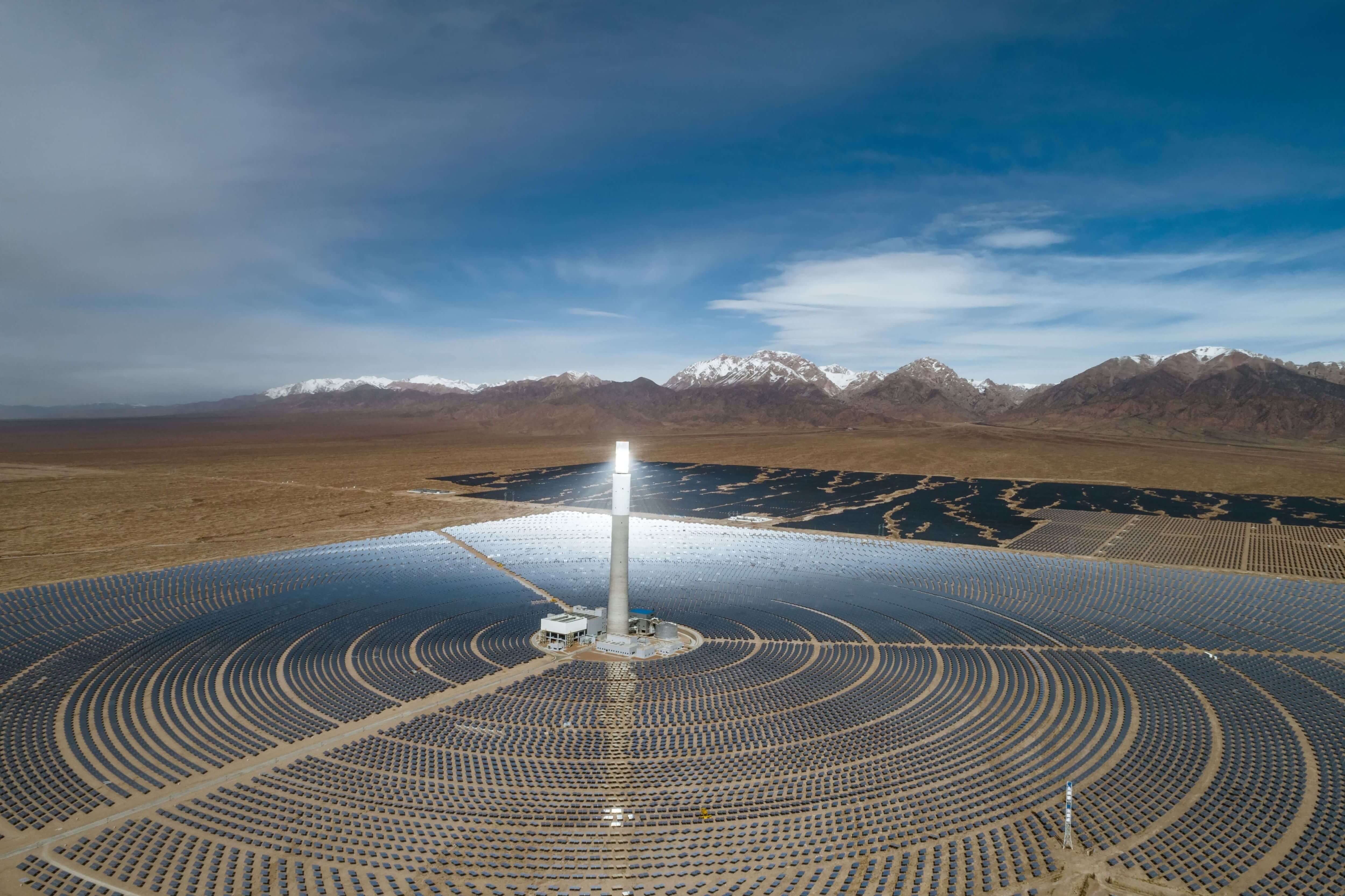 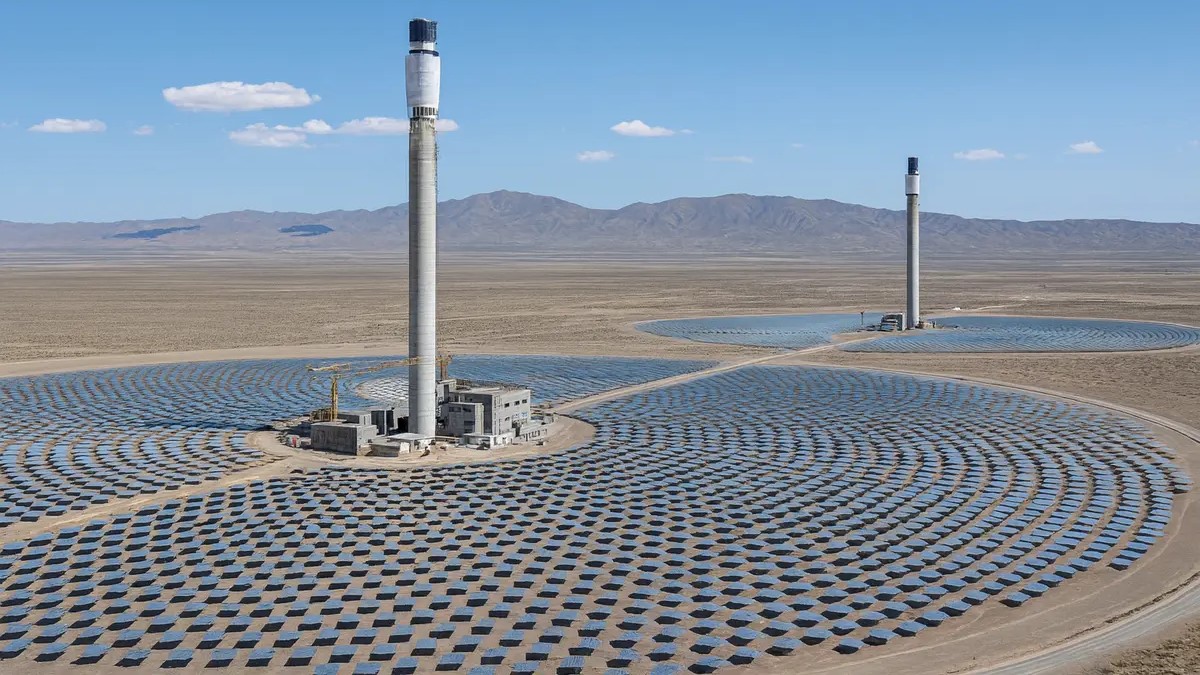 ## Scientists Are Building an “Artificial Sun” in the Desert — And It Could Change How Cities Get Power In a remote desert landscape, something extraordinary is taking shape. Thousands of mirrors stretch across the sand, reflecting sunlight toward a central tower that glows brighter than anything else in sight. Nearby, inside steel chambers and advanced laboratories, scientists are attempting something even more ambitious: recreating the energy process that powers the stars. Researchers and engineers have begun calling the project an **“artificial sun.”** The goal is simple but revolutionary — generate enormous amounts of clean electricity using the same fusion process that fuels the real sun. If successful, this technology could provide nearly unlimited energy for cities while dramatically reducing carbon emissions. ## What Is an Artificial Sun? The term “artificial sun” refers to **nuclear fusion reactors**, experimental machines designed to replicate the reaction happening inside stars. ### How fusion works In the core of the sun, hydrogen atoms collide under extreme heat and pressure. They fuse together to form helium, releasing massive amounts of energy. Scientists are trying to recreate that reaction on Earth. To do this, they: * Heat hydrogen fuel into plasma hotter than the sun’s core * Use powerful magnetic fields to hold the plasma in place * Trigger atomic fusion that releases energy If the process becomes stable and efficient, fusion could provide **clean, abundant electricity with minimal environmental impact.** ## Why the Desert Is the Perfect Location Fusion facilities and large solar energy complexes require huge amounts of space and sunlight. That’s why many experimental projects are being built in desert regions. ### Advantages of desert locations * Up to **300 sunny days per year** * Large open land areas for solar mirror fields * Low population density * Stable ground for heavy infrastructure The desert environment also allows researchers to combine fusion research with **concentrated solar power systems**, creating hybrid energy plants. ## The Role of Giant Mirror Fields One of the most striking features of the facility is the field of heliostats — massive mirrors that follow the sun across the sky. Each mirror reflects sunlight toward a central tower where heat is collected and stored. ### What heliostats do * Concentrate sunlight into extremely high temperatures * Produce steam that spins turbines * Store thermal energy in molten salt tanks * Generate electricity even after sunset This solar system provides immediate renewable power while supporting the experimental fusion infrastructure nearby. ## How the Artificial Sun Could Power Cities The long-term goal is to create power plants that operate around the clock without fossil fuels. Fusion could provide stable electricity regardless of weather conditions, solving one of the biggest challenges facing renewable energy today. ### Potential energy output Component | Purpose | Estimated Impact Solar mirror tower | Daytime renewable electricity | Up to 150,000 homes Fusion test reactors | Experimental constant power | ~50,000 homes in early phases Thermal storage tanks | Nighttime electricity supply | 4–6 hours grid backup Battery systems | Stabilize the grid | Instant response to demand spikes Although these numbers are still projections, the concept shows how multiple technologies could work together to power entire urban areas. ## Why Fusion Energy Is So Important Global electricity demand continues to grow as more systems move toward electrification — from vehicles to heating systems and data centers. Fusion energy offers several advantages compared with traditional power sources. ### Key benefits of fusion power * No greenhouse gas emissions during operation * Fuel derived from hydrogen, one of the most abundant elements * Minimal long-term radioactive waste * No risk of runaway chain reactions Because of these factors, fusion is often described as the **“holy grail of clean energy.”** ## The Biggest Challenges Scientists Still Face Despite decades of research, fusion remains one of the most difficult engineering challenges in modern science. Creating plasma hotter than the sun and controlling it inside a reactor requires incredibly precise technology. ### Major hurdles * Maintaining stable plasma for long periods * Designing materials that survive extreme heat * Scaling experimental reactors into commercial power plants * Reducing costs so electricity becomes affordable Scientists have made major breakthroughs recently, including successful experiments that produced **net energy gain for brief moments**. However, reliable commercial fusion power is still under development. ## Key Takeaways * Scientists are building experimental fusion reactors known as **artificial suns**. * These projects aim to generate massive amounts of clean electricity. * Desert locations provide ideal conditions for solar and fusion infrastructure. * Fusion could eventually deliver constant, low-carbon energy for cities worldwide. While the technology is still evolving, progress is accelerating as governments and private companies invest billions into fusion research. ## Frequently Asked Questions ### What is an artificial sun in energy research? An artificial sun is a nuclear fusion reactor designed to replicate the energy process that powers stars. ### Is fusion energy safer than nuclear power? Fusion generally produces less radioactive waste and cannot trigger runaway chain reactions like traditional nuclear fission plants. ### When will fusion power become widely available? Many experts expect early commercial fusion plants to appear between the **2030s and 2040s**, though timelines remain uncertain. ### Why are fusion experiments built in deserts? Deserts provide strong sunlight, large open land areas, and stable environments for building large energy facilities. ### Could fusion completely replace fossil fuels? Fusion could become a major clean energy source, but it will likely work alongside solar, wind, and other renewable technologies. ## Conclusion For decades, the idea of building a miniature star on Earth sounded like science fiction. Today, that vision is slowly becoming reality in remote deserts where scientists are testing the limits of physics and engineering. The artificial sun projects rising from the sand represent more than an experiment. They represent a new possibility for how humanity powers its future. If fusion energy succeeds, the lights in cities around the world may one day be powered by the same process that makes the stars shine.](https://ozpuff.com.au/wp-content/uploads/2026/03/Scientists-Are-Building-an-Artificial-Sun-in-the-Desert-—-And-It-Could-Change-How-Cities-Get-Power-1024x576.png)