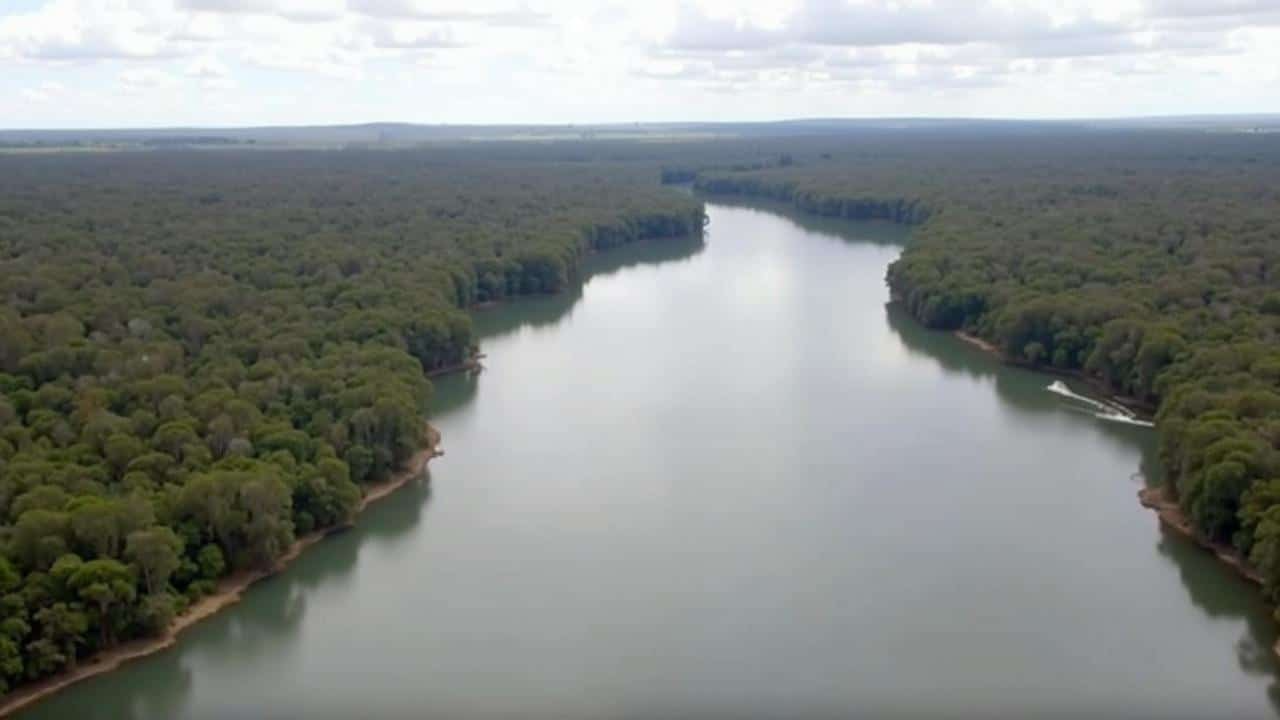
Australia’s largest river system, the Murray-Darling Basin, is under severe ecological threat as invasive species continue to spread at alarming rates. Supporting over 40 million people and generating roughly $24 billion annually in agriculture, this waterway is essential to the nation’s food security and rural economy. Scientists now warn that without decisive action, recovery could become nearly impossible.
Once localized, infestations of non-native fish, plants, and mussels have grown into a basin-wide problem. These invaders disrupt native ecosystems, degrade water quality, and threaten livelihoods dependent on the river’s health. For communities across New South Wales, Victoria, Queensland, and South Australia, the stakes could not be higher.
The Spread of Invasive Species

Over the past decade, invasive species have accelerated their foothold in the basin. Carp, introduced in the 1800s, now make up as much as 90% of the fish biomass in some areas. Their feeding habits uproot vegetation, cloud water, and outcompete native species such as Murray cod and golden perch.
Floating plants like water hyacinth and salvinia molesta exacerbate the problem. These weeds form dense mats that block sunlight, reduce oxygen, and create stagnant water conditions. Mussels and other crustaceans further destabilize the ecosystem by damaging infrastructure and altering water quality.
| Invasive Species | Origin | Primary Impact | Status |
|---|---|---|---|
| European Carp | Central Europe | Habitat destruction, native fish displacement | Widespread, up to 90% biomass |
| Water Hyacinth | South America | Water clogging, oxygen depletion | Increasing, seasonal blooms |
| Salvinia Molesta | South America | Dense mat formation, light blockage | Controlled in some regions |
| Asian Date Mussel | Asia | Infrastructure damage, water quality | Established, limited spread |
| Gambusia Fish | North America | Predation on native fish fry | Widespread in tributaries |
How the Crisis Escalated
Invasive species introductions were often accidental or initially seen as harmless. Carp for aquaculture, ornamental plants like water hyacinth, and mussels via ballast water seemed minor at first. Over time, human modification of the basin—dams, channels, irrigation—created stable conditions favoring these invaders over native species adapted to seasonal river cycles.

Climate change compounds the threat. Rising water temperatures favor invasive species, while droughts concentrate populations, making control efforts less effective. Nutrient pollution from agricultural runoff fuels algal blooms and dead zones, further stressing native species.
Economic and Social Impacts
The consequences extend beyond ecology. Invasive species increase infrastructure maintenance costs, reduce crop yields, and diminish fisheries. Recreational activities and tourism decline as water quality deteriorates and native species vanish. Rural communities, historically reliant on agriculture and fishing, face economic uncertainty, with some residents relocating to urban areas.
| Impact Area | Effect | Annual Cost (AUD) | Trend |
|---|---|---|---|
| Agricultural Productivity | Water quality, availability decline | 180–220 million | Increasing |
| Infrastructure Maintenance | Carp damage, weed clogging | 45–65 million | Accelerating |
| Fisheries | Native fish decline, employment loss | 90–120 million | Declining sharply |
| Water Treatment | Higher supply costs | 60–85 million | Rising |
| Tourism | Reduced visitation, recreation value | 50–75 million | Declining |
Current Management and Challenges
Efforts to control invasive species include physical removal, herbicide application, biosecurity measures, and trials of biological control like the carp virus Cyprinid herpesvirus-3. However, these interventions provide only temporary relief. The basin’s scale, interconnected waterways, and rapid reproduction of invaders make permanent solutions difficult.
Funding remains inconsistent, and coordination across multiple states complicates long-term planning. Experts emphasize that prevention and ecosystem restoration, rather than reactive control, are essential to reversing decline.
Path to Recovery
Restoration requires a multi-decade approach. Reestablishing natural river flows, reconnecting wetlands, reducing nutrient pollution, and supporting native species recovery are critical. Native fish breeding programs and active aquatic vegetation restoration could rebuild ecological resilience, making the system less hospitable to invaders.
Dr. Andrew Liu, an ecosystem restoration specialist, emphasizes: “Recovery is possible, but it requires thinking in decades, not years. The basin’s future depends on sustained investment and coordinated action.”
Why This Matters
The Murray-Darling crisis offers a cautionary tale for river systems worldwide. Invasive species can disrupt food security, water supply, and local economies, with consequences far beyond ecological loss. Australia’s experience highlights the urgent need for proactive management, long-term funding, and political commitment before the window for effective intervention closes.
Without decisive action, the Murray-Darling Basin may not just lose native species—it could lose the livelihoods and communities that depend on its waters for generations.

  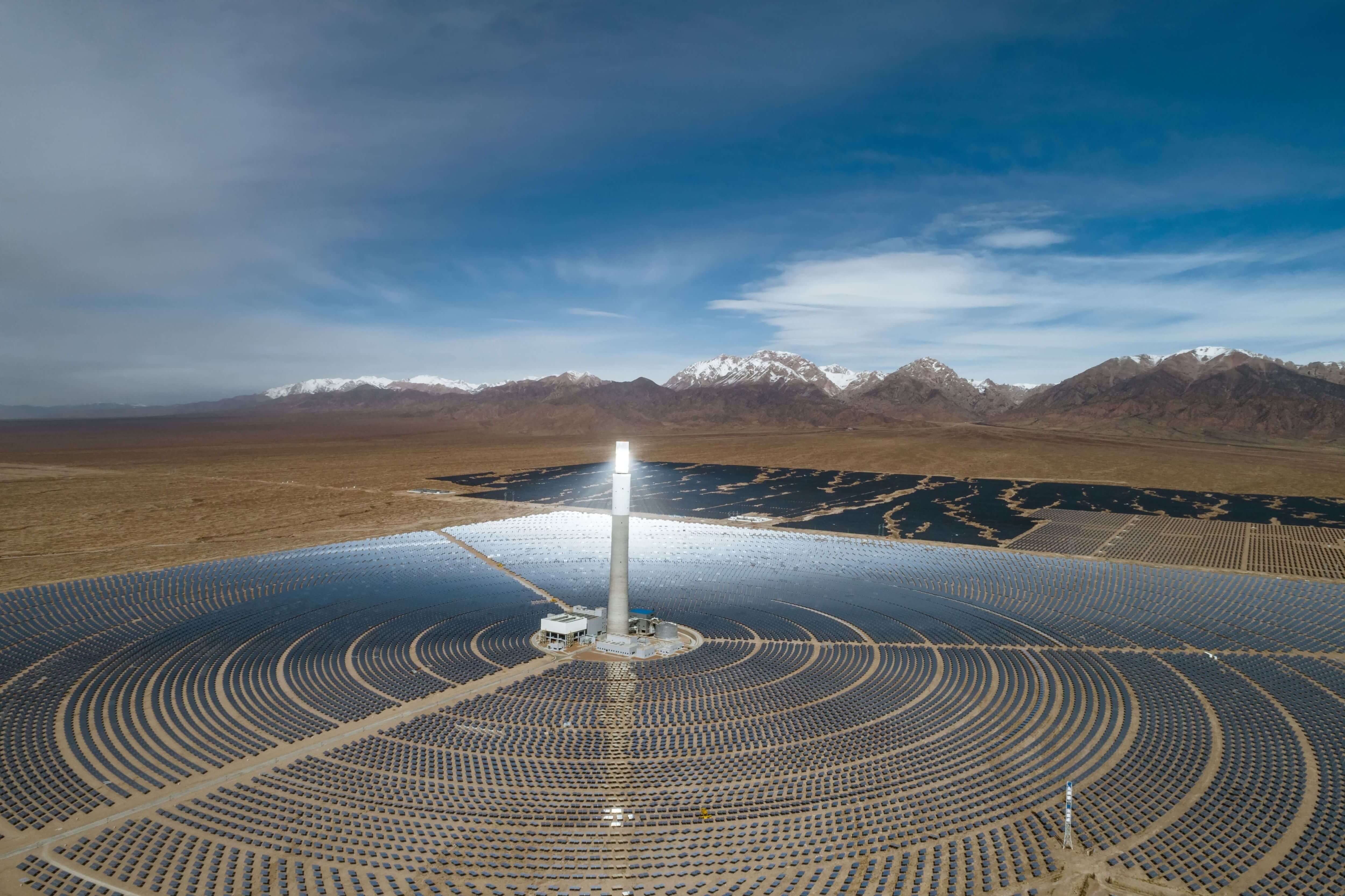 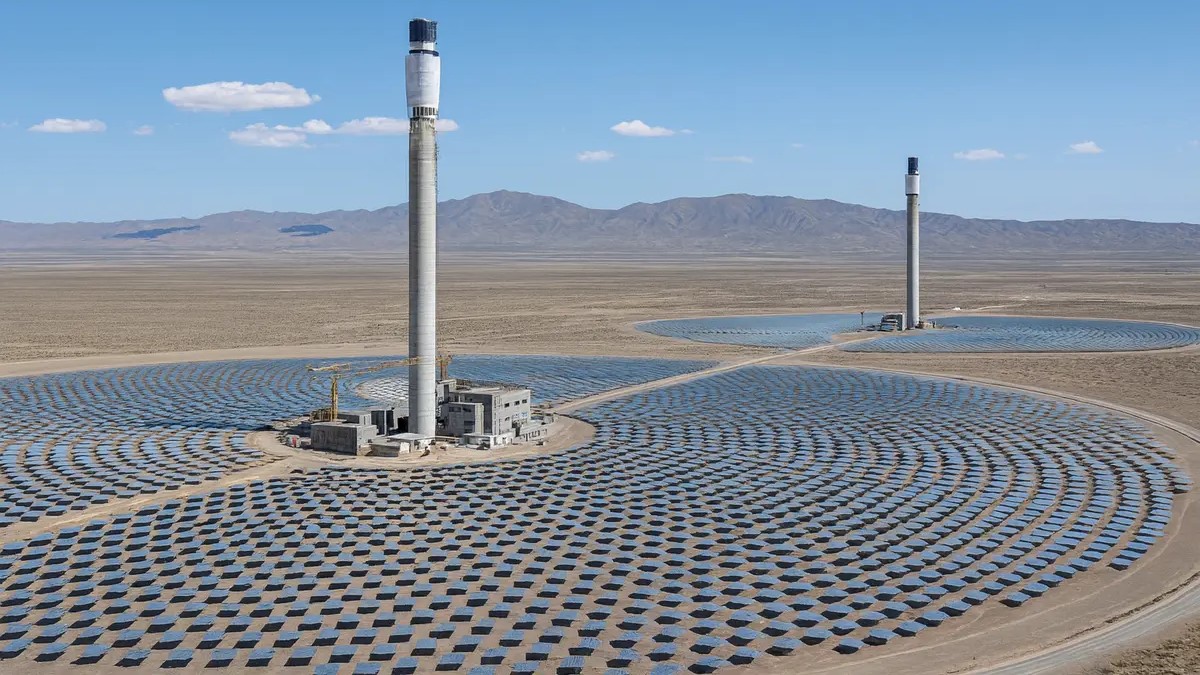 ## Scientists Are Building an “Artificial Sun” in the Desert — And It Could Change How Cities Get Power In a remote desert landscape, something extraordinary is taking shape. Thousands of mirrors stretch across the sand, reflecting sunlight toward a central tower that glows brighter than anything else in sight. Nearby, inside steel chambers and advanced laboratories, scientists are attempting something even more ambitious: recreating the energy process that powers the stars. Researchers and engineers have begun calling the project an **“artificial sun.”** The goal is simple but revolutionary — generate enormous amounts of clean electricity using the same fusion process that fuels the real sun. If successful, this technology could provide nearly unlimited energy for cities while dramatically reducing carbon emissions. ## What Is an Artificial Sun? The term “artificial sun” refers to **nuclear fusion reactors**, experimental machines designed to replicate the reaction happening inside stars. ### How fusion works In the core of the sun, hydrogen atoms collide under extreme heat and pressure. They fuse together to form helium, releasing massive amounts of energy. Scientists are trying to recreate that reaction on Earth. To do this, they: * Heat hydrogen fuel into plasma hotter than the sun’s core * Use powerful magnetic fields to hold the plasma in place * Trigger atomic fusion that releases energy If the process becomes stable and efficient, fusion could provide **clean, abundant electricity with minimal environmental impact.** ## Why the Desert Is the Perfect Location Fusion facilities and large solar energy complexes require huge amounts of space and sunlight. That’s why many experimental projects are being built in desert regions. ### Advantages of desert locations * Up to **300 sunny days per year** * Large open land areas for solar mirror fields * Low population density * Stable ground for heavy infrastructure The desert environment also allows researchers to combine fusion research with **concentrated solar power systems**, creating hybrid energy plants. ## The Role of Giant Mirror Fields One of the most striking features of the facility is the field of heliostats — massive mirrors that follow the sun across the sky. Each mirror reflects sunlight toward a central tower where heat is collected and stored. ### What heliostats do * Concentrate sunlight into extremely high temperatures * Produce steam that spins turbines * Store thermal energy in molten salt tanks * Generate electricity even after sunset This solar system provides immediate renewable power while supporting the experimental fusion infrastructure nearby. ## How the Artificial Sun Could Power Cities The long-term goal is to create power plants that operate around the clock without fossil fuels. Fusion could provide stable electricity regardless of weather conditions, solving one of the biggest challenges facing renewable energy today. ### Potential energy output Component | Purpose | Estimated Impact Solar mirror tower | Daytime renewable electricity | Up to 150,000 homes Fusion test reactors | Experimental constant power | ~50,000 homes in early phases Thermal storage tanks | Nighttime electricity supply | 4–6 hours grid backup Battery systems | Stabilize the grid | Instant response to demand spikes Although these numbers are still projections, the concept shows how multiple technologies could work together to power entire urban areas. ## Why Fusion Energy Is So Important Global electricity demand continues to grow as more systems move toward electrification — from vehicles to heating systems and data centers. Fusion energy offers several advantages compared with traditional power sources. ### Key benefits of fusion power * No greenhouse gas emissions during operation * Fuel derived from hydrogen, one of the most abundant elements * Minimal long-term radioactive waste * No risk of runaway chain reactions Because of these factors, fusion is often described as the **“holy grail of clean energy.”** ## The Biggest Challenges Scientists Still Face Despite decades of research, fusion remains one of the most difficult engineering challenges in modern science. Creating plasma hotter than the sun and controlling it inside a reactor requires incredibly precise technology. ### Major hurdles * Maintaining stable plasma for long periods * Designing materials that survive extreme heat * Scaling experimental reactors into commercial power plants * Reducing costs so electricity becomes affordable Scientists have made major breakthroughs recently, including successful experiments that produced **net energy gain for brief moments**. However, reliable commercial fusion power is still under development. ## Key Takeaways * Scientists are building experimental fusion reactors known as **artificial suns**. * These projects aim to generate massive amounts of clean electricity. * Desert locations provide ideal conditions for solar and fusion infrastructure. * Fusion could eventually deliver constant, low-carbon energy for cities worldwide. While the technology is still evolving, progress is accelerating as governments and private companies invest billions into fusion research. ## Frequently Asked Questions ### What is an artificial sun in energy research? An artificial sun is a nuclear fusion reactor designed to replicate the energy process that powers stars. ### Is fusion energy safer than nuclear power? Fusion generally produces less radioactive waste and cannot trigger runaway chain reactions like traditional nuclear fission plants. ### When will fusion power become widely available? Many experts expect early commercial fusion plants to appear between the **2030s and 2040s**, though timelines remain uncertain. ### Why are fusion experiments built in deserts? Deserts provide strong sunlight, large open land areas, and stable environments for building large energy facilities. ### Could fusion completely replace fossil fuels? Fusion could become a major clean energy source, but it will likely work alongside solar, wind, and other renewable technologies. ## Conclusion For decades, the idea of building a miniature star on Earth sounded like science fiction. Today, that vision is slowly becoming reality in remote deserts where scientists are testing the limits of physics and engineering. The artificial sun projects rising from the sand represent more than an experiment. They represent a new possibility for how humanity powers its future. If fusion energy succeeds, the lights in cities around the world may one day be powered by the same process that makes the stars shine.](https://ozpuff.com.au/wp-content/uploads/2026/03/Scientists-Are-Building-an-Artificial-Sun-in-the-Desert-—-And-It-Could-Change-How-Cities-Get-Power-1024x576.png)