
Many dog owners treat daily walks as a quick exercise routine. They pick up the leash, walk quickly, and try to cover as much distance as possible. However, animal behavior experts warn that this approach may actually create frustration for dogs.
For dogs, walks are not only about physical activity. They are also about exploring the world through smell. When dogs are constantly rushed and prevented from sniffing their surroundings, they may feel mentally unsatisfied.

Over time, this lack of mental stimulation can lead to stress, anxiety, and behavioral problems.
Why Dogs Need More Than Physical Exercise
Dogs rely heavily on their sense of smell to understand their environment. Their noses are extremely powerful and allow them to gather information about what is happening around them.
When a dog stops to sniff during a walk, it is learning about its surroundings.
Information dogs gather through scent
- Presence of other animals in the area
- Territorial markers from nearby dogs
- Environmental changes
- Food and human activity nearby

This exploration stimulates the brain and provides important mental enrichment.
How Rushed Walks Can Create Frustration
When dogs are repeatedly prevented from exploring smells or investigating their surroundings, frustration can build up.
This frustration often appears in the form of unwanted behavior at home.
Common behavior problems linked to rushed walks
- Excessive barking
- Destructive chewing
- Restlessness and anxiety
- Reactivity toward other dogs

A dog that only experiences fast-paced walks may become physically tired but still mentally unsatisfied.
The Calming Effects of Sniffin
Research shows that sniffing helps dogs relax and reduces stress levels.
Exploring scents stimulates parts of the brain linked to emotions and behavior. This process can help dogs regulate their mood and feel calmer.
Benefits of allowing dogs to sniff
- Reduced stress and anxiety
- Improved emotional balance
- Better sleep patterns
- Calmer behavior inside the home
Dogs that are allowed to explore scents during walks are often more relaxed throughout the day.
Types of Walks Dogs Need
Experts recommend offering different types of walks to meet both mental and physical needs.
| Walk Type | Purpose | Recommended Duration |
|---|---|---|
| Sniff Walk | Mental stimulation and exploration | 20 to 30 minutes |
| Exercise Walk | Physical fitness and energy release | 15 to 25 minutes |
| Exploration Walk | Exposure to new environments | 30 to 45 minutes |
| Training Walk | Practicing commands and leash control | 15 to 20 minutes |
Providing variety in walks can help dogs stay mentally engaged and physically healthy.
Common Mistakes Dog Owners Make
Many dog owners unknowingly limit their dog’s experience during walks.
Frequent mistakes
- Pulling the leash when the dog stops to sniff
- Maintaining a fast walking pace the entire time
- Walking the same route every day
- Treating walks only as exercise sessions
Allowing controlled sniffing during walks often reduces leash pulling and improves behavior.
Tips for Better Dog Walks
Making small adjustments to daily walks can greatly improve a dog’s wellbeing.
Simple tips
- Allow at least 10 to 15 minutes for sniffing
- Occasionally walk in new areas
- Slow the pace during parts of the walk
- Combine exercise walks with sniff-focused walks
Even short periods of exploration can provide meaningful mental stimulation.
Frequently Asked Questions
Do sniff walks really tire dogs out
Yes. Mental stimulation from sniffing requires concentration and can make dogs feel satisfied and relaxed afterward.
Will letting my dog sniff cause leash problems
No. Sniffing can be allowed while still maintaining basic leash control and safety.
How long should a sniff walk last
Around 20 to 30 minutes is ideal, but even shorter sessions can benefit dogs.
Can exercise and sniffing happen in the same walk
Yes. A walk can include both active movement and slower exploration time.
Do all dog breeds need sniffing time
Yes. All dogs rely on scent to explore their environment and benefit from opportunities to sniff.
Conclusion
Daily walks play an important role in a dog’s physical and mental health. While exercise is important, dogs also need time to explore their surroundings through smell.
Rushing every walk can leave dogs mentally frustrated, even if they appear physically tired. By allowing more time for sniffing and exploration, owners can improve their dog’s behavior, reduce stress, and support overall wellbeing.
Sometimes the most valuable part of a walk is not how far a dog travels, but how much it is allowed to explore.

  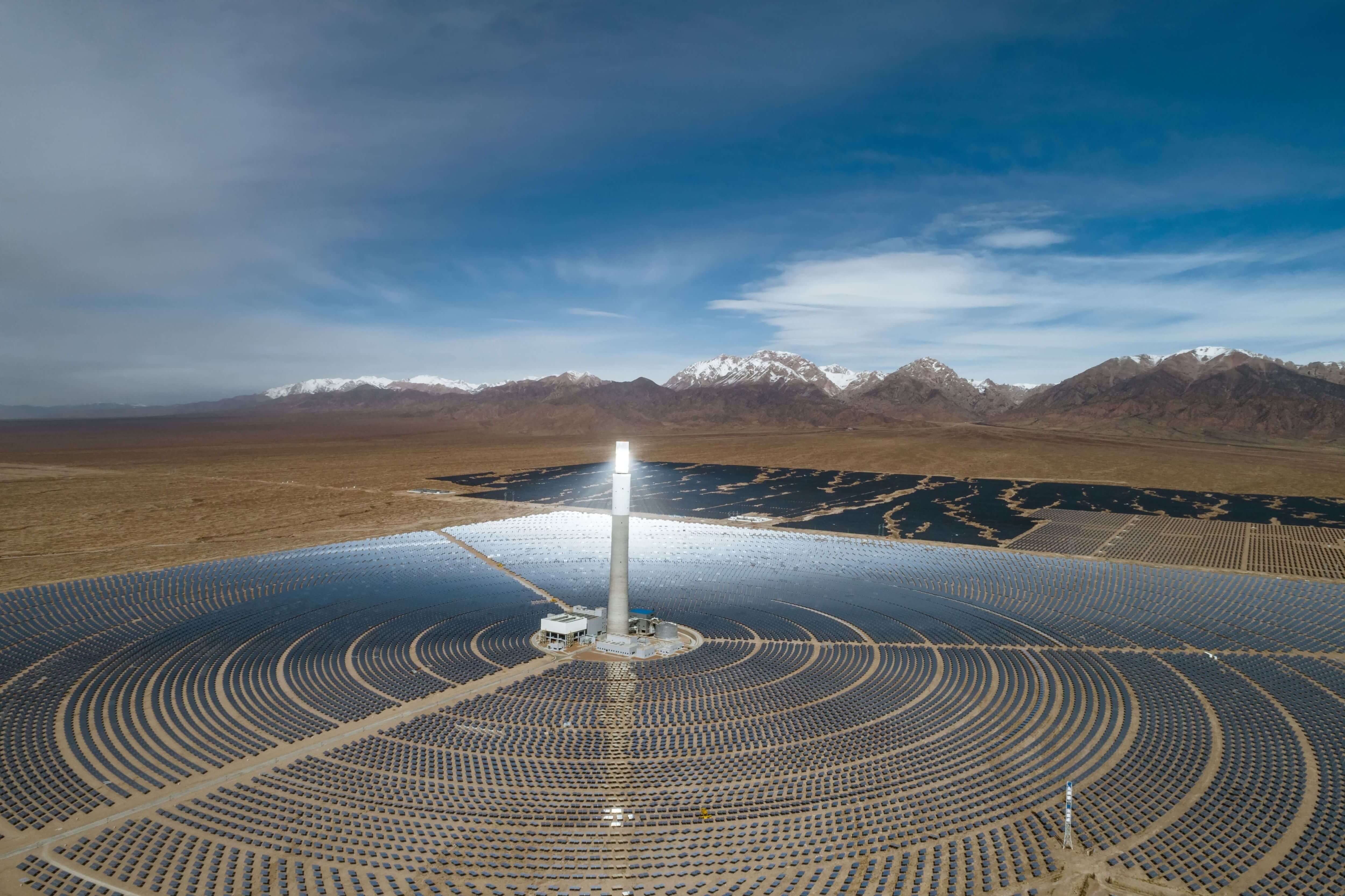 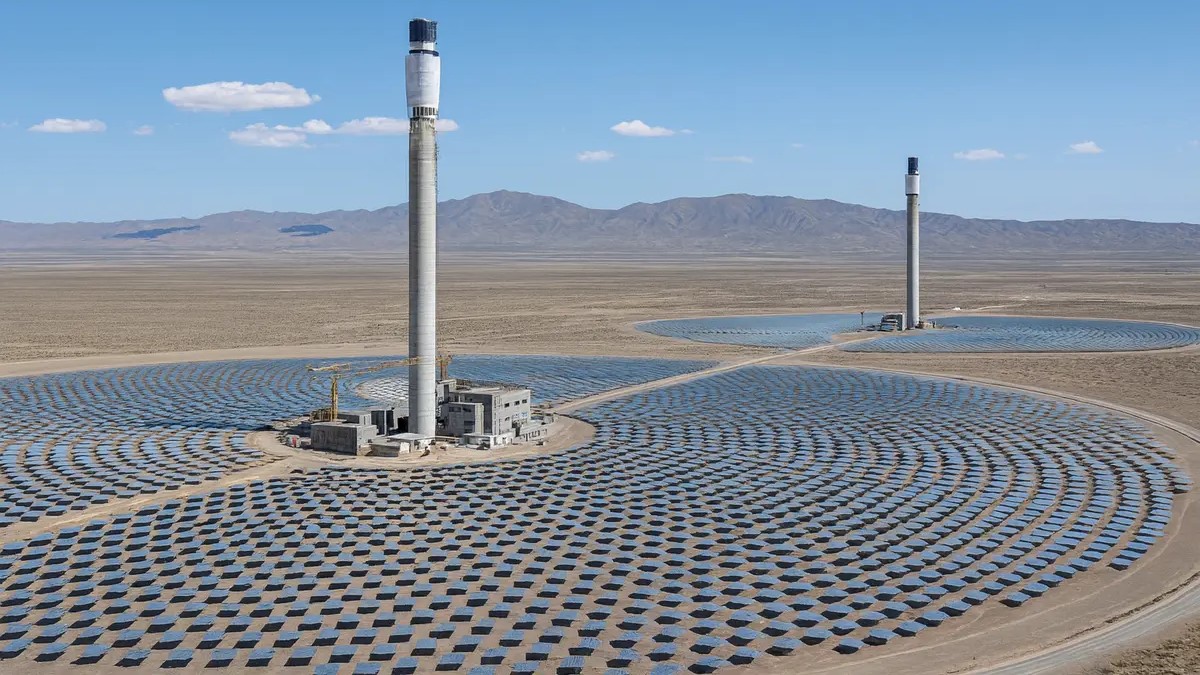 ## Scientists Are Building an “Artificial Sun” in the Desert — And It Could Change How Cities Get Power In a remote desert landscape, something extraordinary is taking shape. Thousands of mirrors stretch across the sand, reflecting sunlight toward a central tower that glows brighter than anything else in sight. Nearby, inside steel chambers and advanced laboratories, scientists are attempting something even more ambitious: recreating the energy process that powers the stars. Researchers and engineers have begun calling the project an **“artificial sun.”** The goal is simple but revolutionary — generate enormous amounts of clean electricity using the same fusion process that fuels the real sun. If successful, this technology could provide nearly unlimited energy for cities while dramatically reducing carbon emissions. ## What Is an Artificial Sun? The term “artificial sun” refers to **nuclear fusion reactors**, experimental machines designed to replicate the reaction happening inside stars. ### How fusion works In the core of the sun, hydrogen atoms collide under extreme heat and pressure. They fuse together to form helium, releasing massive amounts of energy. Scientists are trying to recreate that reaction on Earth. To do this, they: * Heat hydrogen fuel into plasma hotter than the sun’s core * Use powerful magnetic fields to hold the plasma in place * Trigger atomic fusion that releases energy If the process becomes stable and efficient, fusion could provide **clean, abundant electricity with minimal environmental impact.** ## Why the Desert Is the Perfect Location Fusion facilities and large solar energy complexes require huge amounts of space and sunlight. That’s why many experimental projects are being built in desert regions. ### Advantages of desert locations * Up to **300 sunny days per year** * Large open land areas for solar mirror fields * Low population density * Stable ground for heavy infrastructure The desert environment also allows researchers to combine fusion research with **concentrated solar power systems**, creating hybrid energy plants. ## The Role of Giant Mirror Fields One of the most striking features of the facility is the field of heliostats — massive mirrors that follow the sun across the sky. Each mirror reflects sunlight toward a central tower where heat is collected and stored. ### What heliostats do * Concentrate sunlight into extremely high temperatures * Produce steam that spins turbines * Store thermal energy in molten salt tanks * Generate electricity even after sunset This solar system provides immediate renewable power while supporting the experimental fusion infrastructure nearby. ## How the Artificial Sun Could Power Cities The long-term goal is to create power plants that operate around the clock without fossil fuels. Fusion could provide stable electricity regardless of weather conditions, solving one of the biggest challenges facing renewable energy today. ### Potential energy output Component | Purpose | Estimated Impact Solar mirror tower | Daytime renewable electricity | Up to 150,000 homes Fusion test reactors | Experimental constant power | ~50,000 homes in early phases Thermal storage tanks | Nighttime electricity supply | 4–6 hours grid backup Battery systems | Stabilize the grid | Instant response to demand spikes Although these numbers are still projections, the concept shows how multiple technologies could work together to power entire urban areas. ## Why Fusion Energy Is So Important Global electricity demand continues to grow as more systems move toward electrification — from vehicles to heating systems and data centers. Fusion energy offers several advantages compared with traditional power sources. ### Key benefits of fusion power * No greenhouse gas emissions during operation * Fuel derived from hydrogen, one of the most abundant elements * Minimal long-term radioactive waste * No risk of runaway chain reactions Because of these factors, fusion is often described as the **“holy grail of clean energy.”** ## The Biggest Challenges Scientists Still Face Despite decades of research, fusion remains one of the most difficult engineering challenges in modern science. Creating plasma hotter than the sun and controlling it inside a reactor requires incredibly precise technology. ### Major hurdles * Maintaining stable plasma for long periods * Designing materials that survive extreme heat * Scaling experimental reactors into commercial power plants * Reducing costs so electricity becomes affordable Scientists have made major breakthroughs recently, including successful experiments that produced **net energy gain for brief moments**. However, reliable commercial fusion power is still under development. ## Key Takeaways * Scientists are building experimental fusion reactors known as **artificial suns**. * These projects aim to generate massive amounts of clean electricity. * Desert locations provide ideal conditions for solar and fusion infrastructure. * Fusion could eventually deliver constant, low-carbon energy for cities worldwide. While the technology is still evolving, progress is accelerating as governments and private companies invest billions into fusion research. ## Frequently Asked Questions ### What is an artificial sun in energy research? An artificial sun is a nuclear fusion reactor designed to replicate the energy process that powers stars. ### Is fusion energy safer than nuclear power? Fusion generally produces less radioactive waste and cannot trigger runaway chain reactions like traditional nuclear fission plants. ### When will fusion power become widely available? Many experts expect early commercial fusion plants to appear between the **2030s and 2040s**, though timelines remain uncertain. ### Why are fusion experiments built in deserts? Deserts provide strong sunlight, large open land areas, and stable environments for building large energy facilities. ### Could fusion completely replace fossil fuels? Fusion could become a major clean energy source, but it will likely work alongside solar, wind, and other renewable technologies. ## Conclusion For decades, the idea of building a miniature star on Earth sounded like science fiction. Today, that vision is slowly becoming reality in remote deserts where scientists are testing the limits of physics and engineering. The artificial sun projects rising from the sand represent more than an experiment. They represent a new possibility for how humanity powers its future. If fusion energy succeeds, the lights in cities around the world may one day be powered by the same process that makes the stars shine.](https://ozpuff.com.au/wp-content/uploads/2026/03/Scientists-Are-Building-an-Artificial-Sun-in-the-Desert-—-And-It-Could-Change-How-Cities-Get-Power-1024x576.png)