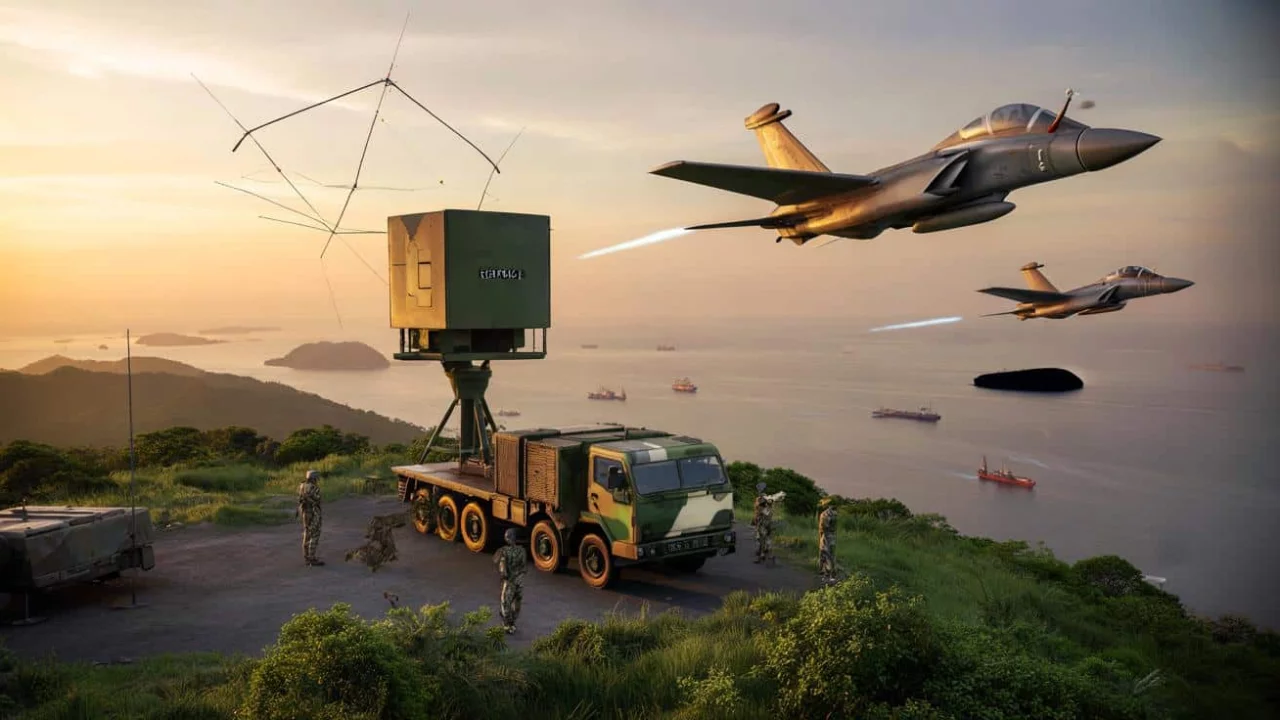
France has once again strengthened its position in the global defense market with a major international sale of Rafale fighter jets and long-range radar systems to a South-West Asian country.
The deal is more than just a military purchase—it highlights France’s growing influence as a reliable defense technology supplier in a region traditionally dominated by American and Russian military equipment.

With defense spending increasing across Asia, many nations are seeking advanced military systems that offer performance, independence, and flexible partnerships. France’s Rafale fighter jet has increasingly become a top choice for countries modernizing their air forces.
Why This Defense Deal Matters
The Indo-Pacific region has become one of the fastest-growing areas for military investment. Governments are upgrading their defense capabilities to respond to new security challenges.
Key reasons countries are strengthening air defense
- Rising regional security tensions
- Protection of national airspace
- Maritime security operations
- Counter-terrorism and surveillance needs
France has positioned itself as a neutral and technologically advanced partner, offering sophisticated systems without the heavy political conditions often attached to larger powers.
Rafale Fighter Jet: Advanced and Versatile

The Rafale fighter jet, developed by Dassault Aviation, is one of the world’s most capable multirole combat aircraft.
It is designed to perform several missions including:
- Air superiority
- Ground attack operations
- Maritime strike missions
- Reconnaissance and surveillance
Key Rafale capabilities
| Feature | Capability |
|---|---|
| Maximum Speed | Mach 1.8+ |
| Combat Radius | Approx. 1,850 km |
| Payload Capacity | Up to 6,000 kg |
| Service Ceiling | Over 17,000 meters |
Countries such as India, Egypt, Qatar, and the UAE already operate Rafale jets, demonstrating its reliability in different environments.
Long-Range Radar Systems Strengthening Air Defense

Along with the aircraft, the deal includes advanced long-range radar systems, which play a critical role in modern air defense.
Radar technology acts as the first line of detection, allowing countries to monitor airspace and track potential threats.
Benefits of modern radar systems
- Early detection of aircraft and missiles
- Real-time tracking of multiple targets
- Integration with fighter aircraft systems
- Improved national airspace security
When combined with Rafale jets, these radar systems create a powerful integrated air defense network.
Strategic Benefits for France’s Defense Industry
This agreement strengthens France’s position among the world’s top arms exporters.
France’s advantages in the global defense market
- Advanced aerospace technology
- Flexible export policies
- Reliable long-term partnerships
- Customization options for buyers
Unlike some larger defense suppliers, France often provides more flexible cooperation agreements, including training and maintenance support.
Regional Impact and Future Opportunities
Large military acquisitions always attract attention from neighboring countries. However, this purchase reflects a broader modernization trend across the region rather than a sudden escalation.
For France, successful exports create long-term strategic partnerships, as defense systems require maintenance, training, and upgrades for decades.
The deal may also open doors for future collaborations involving:
- Air defense upgrades
- Pilot training programs
- Maintenance and technical centers
- Joint military exercises
Frequently Asked Questions
What is the estimated value of the Rafale deal?
Defense analysts estimate the agreement could be worth $8–12 billion, including aircraft, radar systems, training, and support services.
How many Rafale fighter jets are included?
Reports suggest an initial purchase of around 36 aircraft, with possible additional orders in the future.
Why are Rafale jets popular internationally?
Rafale aircraft are valued for their multirole capabilities, advanced sensors, and operational flexibility.
What role do long-range radars play?
Radar systems detect and track aircraft over long distances, helping military forces monitor airspace and respond quickly to threats.
Will the deal affect regional security?
Most analysts view it as part of ongoing defense modernization across Asia, rather than a major escalation.
Conclusion
France’s latest Rafale fighter jet export highlights the country’s growing influence in the global defense industry. By combining advanced aircraft, powerful radar systems, and long-term strategic partnerships, France continues to compete successfully with larger defense exporters.
As military modernization accelerates across Asia, deals like this demonstrate that many nations are looking for high-technology solutions paired with flexible international cooperation.
For France, the agreement not only strengthens its aerospace industry but also reinforces its reputation as a leading provider of advanced defense technology worldwide.

  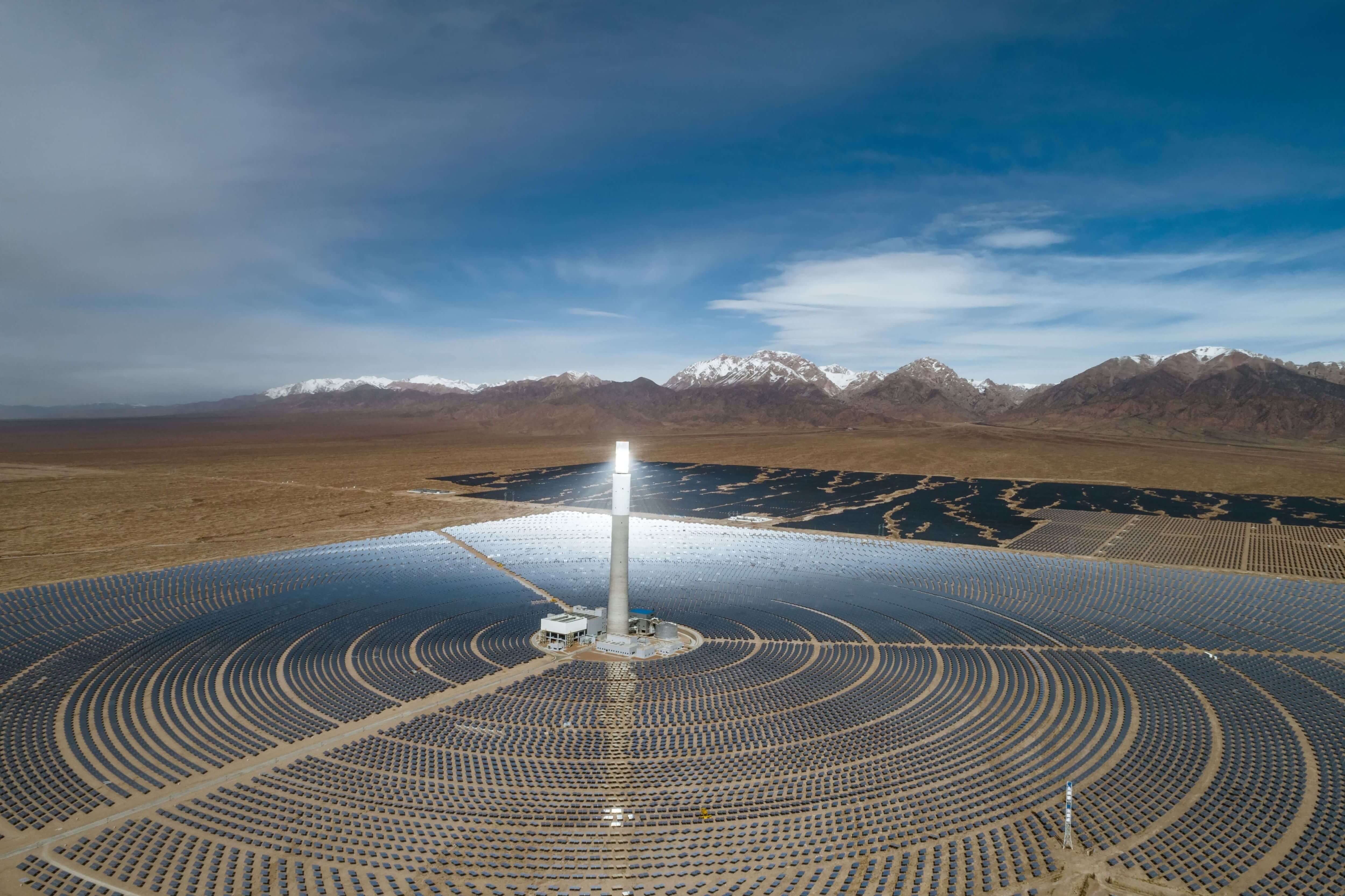 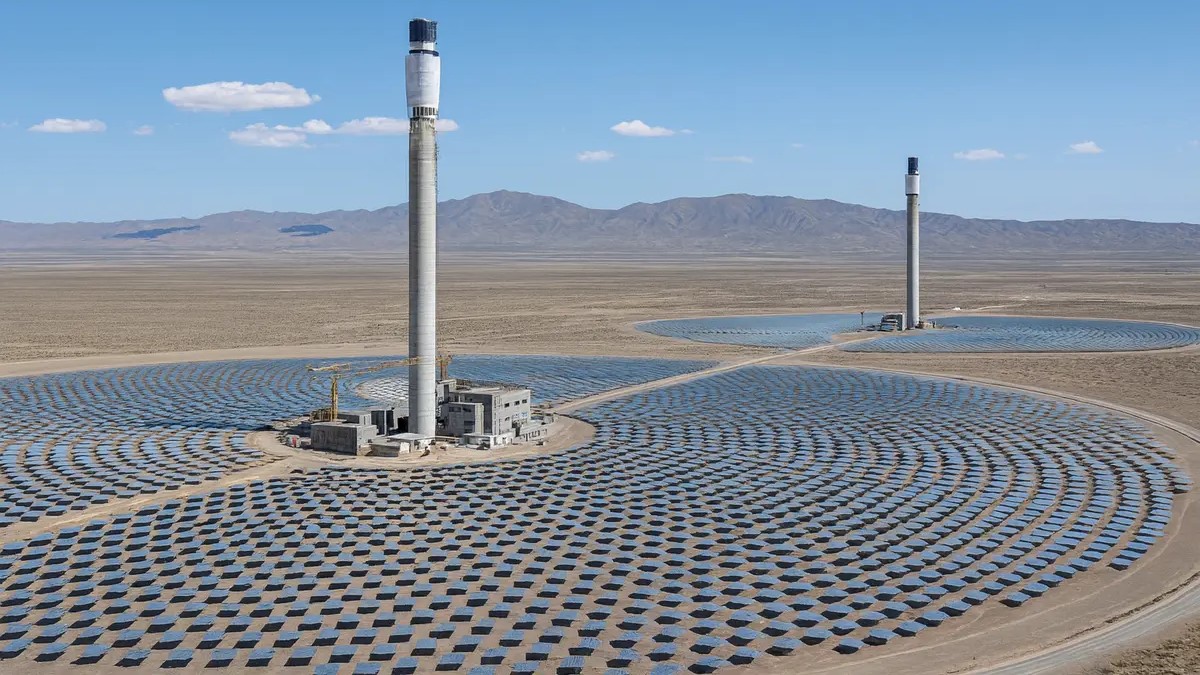 ## Scientists Are Building an “Artificial Sun” in the Desert — And It Could Change How Cities Get Power In a remote desert landscape, something extraordinary is taking shape. Thousands of mirrors stretch across the sand, reflecting sunlight toward a central tower that glows brighter than anything else in sight. Nearby, inside steel chambers and advanced laboratories, scientists are attempting something even more ambitious: recreating the energy process that powers the stars. Researchers and engineers have begun calling the project an **“artificial sun.”** The goal is simple but revolutionary — generate enormous amounts of clean electricity using the same fusion process that fuels the real sun. If successful, this technology could provide nearly unlimited energy for cities while dramatically reducing carbon emissions. ## What Is an Artificial Sun? The term “artificial sun” refers to **nuclear fusion reactors**, experimental machines designed to replicate the reaction happening inside stars. ### How fusion works In the core of the sun, hydrogen atoms collide under extreme heat and pressure. They fuse together to form helium, releasing massive amounts of energy. Scientists are trying to recreate that reaction on Earth. To do this, they: * Heat hydrogen fuel into plasma hotter than the sun’s core * Use powerful magnetic fields to hold the plasma in place * Trigger atomic fusion that releases energy If the process becomes stable and efficient, fusion could provide **clean, abundant electricity with minimal environmental impact.** ## Why the Desert Is the Perfect Location Fusion facilities and large solar energy complexes require huge amounts of space and sunlight. That’s why many experimental projects are being built in desert regions. ### Advantages of desert locations * Up to **300 sunny days per year** * Large open land areas for solar mirror fields * Low population density * Stable ground for heavy infrastructure The desert environment also allows researchers to combine fusion research with **concentrated solar power systems**, creating hybrid energy plants. ## The Role of Giant Mirror Fields One of the most striking features of the facility is the field of heliostats — massive mirrors that follow the sun across the sky. Each mirror reflects sunlight toward a central tower where heat is collected and stored. ### What heliostats do * Concentrate sunlight into extremely high temperatures * Produce steam that spins turbines * Store thermal energy in molten salt tanks * Generate electricity even after sunset This solar system provides immediate renewable power while supporting the experimental fusion infrastructure nearby. ## How the Artificial Sun Could Power Cities The long-term goal is to create power plants that operate around the clock without fossil fuels. Fusion could provide stable electricity regardless of weather conditions, solving one of the biggest challenges facing renewable energy today. ### Potential energy output Component | Purpose | Estimated Impact Solar mirror tower | Daytime renewable electricity | Up to 150,000 homes Fusion test reactors | Experimental constant power | ~50,000 homes in early phases Thermal storage tanks | Nighttime electricity supply | 4–6 hours grid backup Battery systems | Stabilize the grid | Instant response to demand spikes Although these numbers are still projections, the concept shows how multiple technologies could work together to power entire urban areas. ## Why Fusion Energy Is So Important Global electricity demand continues to grow as more systems move toward electrification — from vehicles to heating systems and data centers. Fusion energy offers several advantages compared with traditional power sources. ### Key benefits of fusion power * No greenhouse gas emissions during operation * Fuel derived from hydrogen, one of the most abundant elements * Minimal long-term radioactive waste * No risk of runaway chain reactions Because of these factors, fusion is often described as the **“holy grail of clean energy.”** ## The Biggest Challenges Scientists Still Face Despite decades of research, fusion remains one of the most difficult engineering challenges in modern science. Creating plasma hotter than the sun and controlling it inside a reactor requires incredibly precise technology. ### Major hurdles * Maintaining stable plasma for long periods * Designing materials that survive extreme heat * Scaling experimental reactors into commercial power plants * Reducing costs so electricity becomes affordable Scientists have made major breakthroughs recently, including successful experiments that produced **net energy gain for brief moments**. However, reliable commercial fusion power is still under development. ## Key Takeaways * Scientists are building experimental fusion reactors known as **artificial suns**. * These projects aim to generate massive amounts of clean electricity. * Desert locations provide ideal conditions for solar and fusion infrastructure. * Fusion could eventually deliver constant, low-carbon energy for cities worldwide. While the technology is still evolving, progress is accelerating as governments and private companies invest billions into fusion research. ## Frequently Asked Questions ### What is an artificial sun in energy research? An artificial sun is a nuclear fusion reactor designed to replicate the energy process that powers stars. ### Is fusion energy safer than nuclear power? Fusion generally produces less radioactive waste and cannot trigger runaway chain reactions like traditional nuclear fission plants. ### When will fusion power become widely available? Many experts expect early commercial fusion plants to appear between the **2030s and 2040s**, though timelines remain uncertain. ### Why are fusion experiments built in deserts? Deserts provide strong sunlight, large open land areas, and stable environments for building large energy facilities. ### Could fusion completely replace fossil fuels? Fusion could become a major clean energy source, but it will likely work alongside solar, wind, and other renewable technologies. ## Conclusion For decades, the idea of building a miniature star on Earth sounded like science fiction. Today, that vision is slowly becoming reality in remote deserts where scientists are testing the limits of physics and engineering. The artificial sun projects rising from the sand represent more than an experiment. They represent a new possibility for how humanity powers its future. If fusion energy succeeds, the lights in cities around the world may one day be powered by the same process that makes the stars shine.](https://ozpuff.com.au/wp-content/uploads/2026/03/Scientists-Are-Building-an-Artificial-Sun-in-the-Desert-—-And-It-Could-Change-How-Cities-Get-Power-1024x576.png)