
As temperatures drop and snow blankets gardens and backyards, a hidden danger lurks for urban wildlife. Squirrels, those agile gray and red acrobats we often enjoy watching, can become victims of “frost traps”—ordinary snares or leg-hold devices left outdoors during freezing weather. What might seem like a routine pest control measure can quickly escalate into a slow, painful ordeal for these small mammals. Understanding the risks and adopting humane alternatives is becoming increasingly urgent.
When metal, cold, and immobilization meet, frost traps transform into mechanisms of suffering. A squirrel caught in a steel jaw during sub-zero temperatures faces hypothermia, frostbite, and extreme stress. Blood flow constricts, tissues freeze, and trapped animals often injure themselves while struggling to escape. Unlike in warmer seasons, winter amplifies the cruelty of these devices, turning a standard trap into a near-torture chamber for wildlife.
Why Squirrels End Up in Traps

Squirrels are opportunists. They explore attics, raid bird feeders, strip garden fruit, and chew on wooden structures. While these behaviors can frustrate homeowners, they also make squirrels common targets for lethal traps. Retailers often advertise traps with neat images of captured animals, omitting the harsh reality: prolonged suffering in icy conditions.
In many regions, legal oversight of traps is limited. “Nuisance” wildlife categories allow traps to remain unchecked for long periods, exposing animals to extreme cold. For the squirrels, whose high metabolism and rapid heart rate usually sustain agile movement, being immobilized in freezing weather is life-threatening. Even if a squirrel survives initial capture, complications from hypothermia, frostbite, and internal injuries are common.
The Science of Cold Stress
Frost traps exploit biological vulnerabilities. When trapped, squirrels cannot generate enough heat to maintain core body temperature. Metal conducts heat away rapidly, and wet fur accelerates the chilling effect. Stress hormones spike, energy reserves deplete, and tissues can suffer permanent damage. Veterinarians report shattered bones, torn muscles, and necrotic wounds in animals rescued from frost traps. Hypothermia compounds these injuries, making survival uncertain even after rescue.
Table: Impact of Frost Traps on Squirrels
| Factor | Effect on Squirrels | Severity |
|---|---|---|
| Metal contact | Rapid heat loss, frostbite | High |
| Immobilization | Inability to move and generate heat | High |
| Prolonged exposure | Tissue necrosis, hypothermia | Severe |
| Stress & panic | Increased metabolic demand | Moderate–High |
Humane Alternatives and Community Action

Homeowners and neighbors can make a significant difference. Practical steps include:
- Exclusion techniques: Seal entry points, use one-way doors for attics or vents, install chimney caps.
- Bird feeder modifications: Baffles or weight-sensitive mechanisms reduce conflicts.
- Professional guidance: Opt for licensed wildlife control that avoids lethal winter trapping.
- Community advocacy: Report abandoned traps and encourage humane practices locally.
These measures prevent injury and reduce the perceived need for lethal control. By refusing to purchase or deploy frost traps, individuals can influence broader adoption of ethical wildlife management.
Rethinking Wildlife Labels
Calling squirrels “pests” desensitizes us to their suffering. In reality, they are ecosystem engineers, dispersing seeds, creating shelter for other species, and supporting biodiversity. Recognizing their ecological role reframes how communities approach conflicts. Humane solutions allow coexistence without inflicting unnecessary suffering.
Acting Safely If You Find a Trapped Squirrel

If you encounter a squirrel in a frost trap:
- Keep calm and observe: Sudden movements may provoke bites.
- Contact professionals: Reach out to local wildlife rehabilitators or animal control.
- Avoid direct heat: Do not pour hot water; it risks burns and shock.
- Provide temporary shelter: A towel or cloth can reduce stress and block wind until help arrives.
Knowing local laws is essential, as handling traps can have legal implications.
Conclusion: Choosing a Kinder Winter
Frost traps add human cruelty to the natural challenges of winter. Every small choice—repairing entry points, opting for non-lethal control, supporting rehab centers—reduces needless suffering. Squirrels have survived storms, predators, and urban expansion. By removing frost traps from the equation, we ensure they have a fighting chance to survive and thrive, even in the coldest months.
Every action matters. In the quiet stillness of winter, ethical decisions define the difference between hidden pain and visible compassion.
  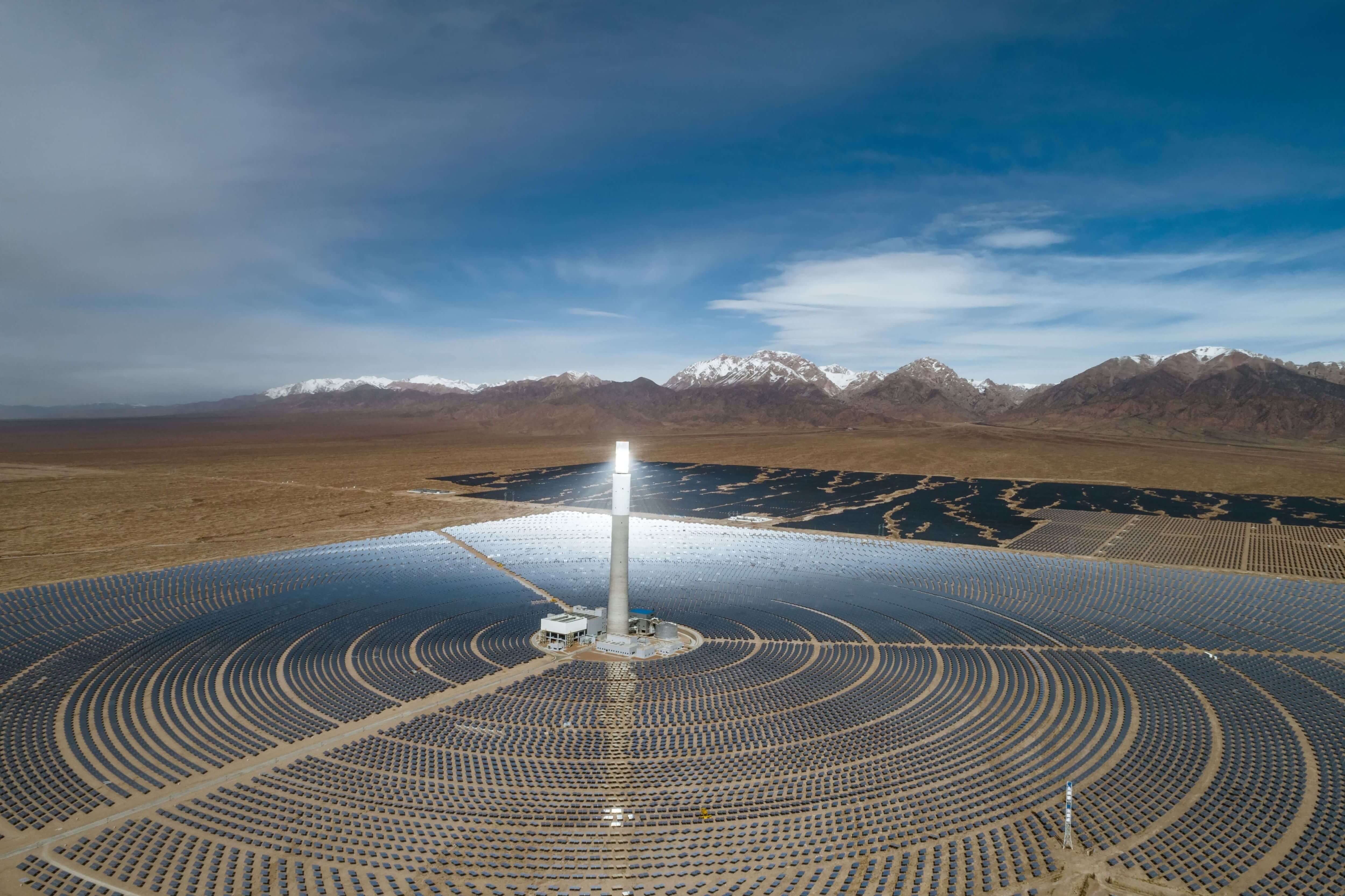 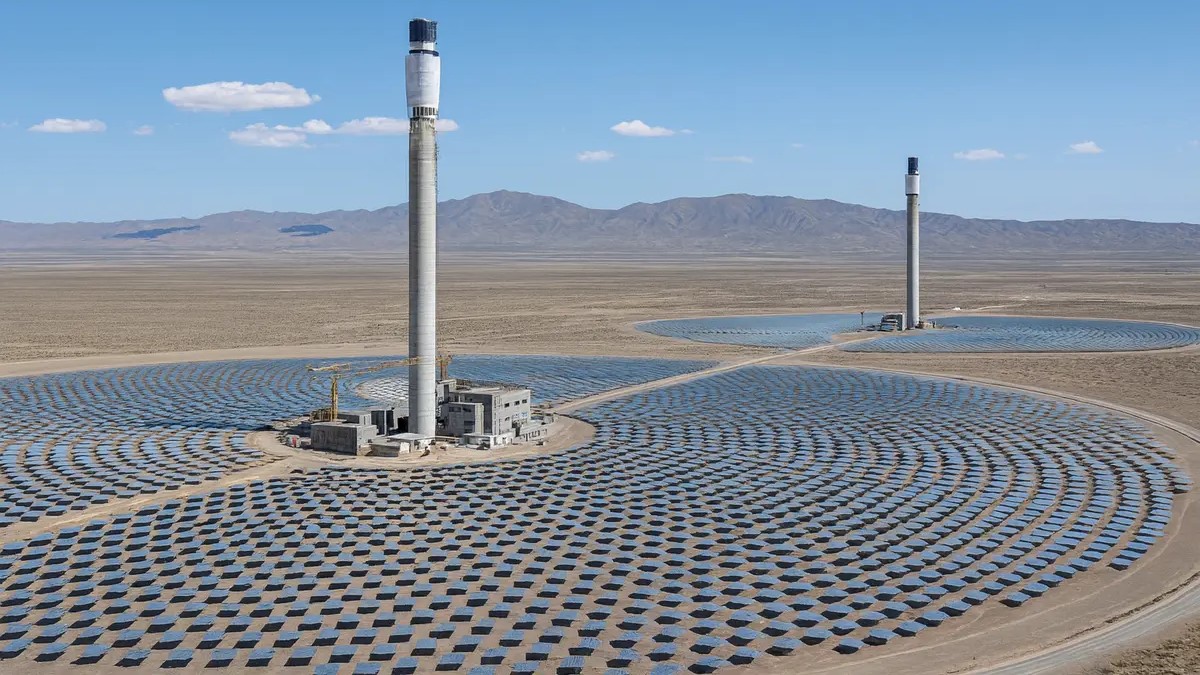 ## Scientists Are Building an “Artificial Sun” in the Desert — And It Could Change How Cities Get Power In a remote desert landscape, something extraordinary is taking shape. Thousands of mirrors stretch across the sand, reflecting sunlight toward a central tower that glows brighter than anything else in sight. Nearby, inside steel chambers and advanced laboratories, scientists are attempting something even more ambitious: recreating the energy process that powers the stars. Researchers and engineers have begun calling the project an **“artificial sun.”** The goal is simple but revolutionary — generate enormous amounts of clean electricity using the same fusion process that fuels the real sun. If successful, this technology could provide nearly unlimited energy for cities while dramatically reducing carbon emissions. ## What Is an Artificial Sun? The term “artificial sun” refers to **nuclear fusion reactors**, experimental machines designed to replicate the reaction happening inside stars. ### How fusion works In the core of the sun, hydrogen atoms collide under extreme heat and pressure. They fuse together to form helium, releasing massive amounts of energy. Scientists are trying to recreate that reaction on Earth. To do this, they: * Heat hydrogen fuel into plasma hotter than the sun’s core * Use powerful magnetic fields to hold the plasma in place * Trigger atomic fusion that releases energy If the process becomes stable and efficient, fusion could provide **clean, abundant electricity with minimal environmental impact.** ## Why the Desert Is the Perfect Location Fusion facilities and large solar energy complexes require huge amounts of space and sunlight. That’s why many experimental projects are being built in desert regions. ### Advantages of desert locations * Up to **300 sunny days per year** * Large open land areas for solar mirror fields * Low population density * Stable ground for heavy infrastructure The desert environment also allows researchers to combine fusion research with **concentrated solar power systems**, creating hybrid energy plants. ## The Role of Giant Mirror Fields One of the most striking features of the facility is the field of heliostats — massive mirrors that follow the sun across the sky. Each mirror reflects sunlight toward a central tower where heat is collected and stored. ### What heliostats do * Concentrate sunlight into extremely high temperatures * Produce steam that spins turbines * Store thermal energy in molten salt tanks * Generate electricity even after sunset This solar system provides immediate renewable power while supporting the experimental fusion infrastructure nearby. ## How the Artificial Sun Could Power Cities The long-term goal is to create power plants that operate around the clock without fossil fuels. Fusion could provide stable electricity regardless of weather conditions, solving one of the biggest challenges facing renewable energy today. ### Potential energy output Component | Purpose | Estimated Impact Solar mirror tower | Daytime renewable electricity | Up to 150,000 homes Fusion test reactors | Experimental constant power | ~50,000 homes in early phases Thermal storage tanks | Nighttime electricity supply | 4–6 hours grid backup Battery systems | Stabilize the grid | Instant response to demand spikes Although these numbers are still projections, the concept shows how multiple technologies could work together to power entire urban areas. ## Why Fusion Energy Is So Important Global electricity demand continues to grow as more systems move toward electrification — from vehicles to heating systems and data centers. Fusion energy offers several advantages compared with traditional power sources. ### Key benefits of fusion power * No greenhouse gas emissions during operation * Fuel derived from hydrogen, one of the most abundant elements * Minimal long-term radioactive waste * No risk of runaway chain reactions Because of these factors, fusion is often described as the **“holy grail of clean energy.”** ## The Biggest Challenges Scientists Still Face Despite decades of research, fusion remains one of the most difficult engineering challenges in modern science. Creating plasma hotter than the sun and controlling it inside a reactor requires incredibly precise technology. ### Major hurdles * Maintaining stable plasma for long periods * Designing materials that survive extreme heat * Scaling experimental reactors into commercial power plants * Reducing costs so electricity becomes affordable Scientists have made major breakthroughs recently, including successful experiments that produced **net energy gain for brief moments**. However, reliable commercial fusion power is still under development. ## Key Takeaways * Scientists are building experimental fusion reactors known as **artificial suns**. * These projects aim to generate massive amounts of clean electricity. * Desert locations provide ideal conditions for solar and fusion infrastructure. * Fusion could eventually deliver constant, low-carbon energy for cities worldwide. While the technology is still evolving, progress is accelerating as governments and private companies invest billions into fusion research. ## Frequently Asked Questions ### What is an artificial sun in energy research? An artificial sun is a nuclear fusion reactor designed to replicate the energy process that powers stars. ### Is fusion energy safer than nuclear power? Fusion generally produces less radioactive waste and cannot trigger runaway chain reactions like traditional nuclear fission plants. ### When will fusion power become widely available? Many experts expect early commercial fusion plants to appear between the **2030s and 2040s**, though timelines remain uncertain. ### Why are fusion experiments built in deserts? Deserts provide strong sunlight, large open land areas, and stable environments for building large energy facilities. ### Could fusion completely replace fossil fuels? Fusion could become a major clean energy source, but it will likely work alongside solar, wind, and other renewable technologies. ## Conclusion For decades, the idea of building a miniature star on Earth sounded like science fiction. Today, that vision is slowly becoming reality in remote deserts where scientists are testing the limits of physics and engineering. The artificial sun projects rising from the sand represent more than an experiment. They represent a new possibility for how humanity powers its future. If fusion energy succeeds, the lights in cities around the world may one day be powered by the same process that makes the stars shine.](https://ozpuff.com.au/wp-content/uploads/2026/03/Scientists-Are-Building-an-Artificial-Sun-in-the-Desert-—-And-It-Could-Change-How-Cities-Get-Power-1024x576.png)