
When it comes to home cleaning, sometimes the simplest methods are the most effective. Forget expensive gadgets or bulky tools—an ordinary cotton sock is all you need to restore your blinds to a like-new shine. This method has quietly endured across generations for a reason: it works, it’s gentle, and it turns a mundane chore into a surprisingly satisfying ritual.
Blinds, whether wooden, aluminum, or fabric, are notorious dust collectors. They catch sunlight in the wrong way, highlight grime, and silently age a room. Traditional dusting often leaves streaks, missed spots, or triggers sneezing from airborne dust. The sock trick solves all that—by giving you control, precision, and a hands-on connection to your cleaning.
Why This Method Works

At its core, the sock method is intuitive. Your hand replaces rigid tools, allowing your fingers to hug each slat. A lightly dampened sock lifts dust and grime without spraying chemicals into the air. The result is cleaner surfaces, less mess, and a slower, mindful cleaning process that feels almost meditative.
Table 1: Essentials for Sock Cleaning
| Item | Purpose |
|---|---|
| Old cotton sock | Soft and flexible; fits fingers to grip slats from both sides |
| Warm water | Loosens dust and light grime gently |
| Mild soap or vinegar | Enhances cleaning; vinegar removes residue, soap cuts grease |
| Dry towel | Catches drips and keeps surfaces dry |
Step-by-Step Guide
- Prepare the Sock: Slip a clean, thick cotton sock over one hand. Lightly dampen it with water, adding a drop of mild soap or a splash of vinegar if needed. Squeeze out excess—just enough to feel damp, not wet.
- Position Your Blinds: Lower the blinds completely and tilt the slats flat. For vertical blinds, work top to bottom; for horizontal, slide your hand from one side to the other.
- Cleaning Motion: Place your thumb under the slat and fingers on top, gliding slowly. The sock traps dust instead of sending it airborne. If the sock becomes visibly dirty, rotate it or switch to a clean patch.
- Finishing Touches: For wood blinds, follow with a dry corner of the sock to prevent moisture damage. Aluminum, faux wood, and plastic handle light dampening easily. Fabric blinds can be gently groomed with a nearly dry sock after vacuuming.
Benefits Beyond Cleanliness
The sock method doesn’t just remove dust—it transforms your cleaning routine. By engaging your senses and controlling your movements, it reduces strain and makes the task more manageable. You can clean a single window in a few minutes, fitting the chore seamlessly into daily life.

Small, regular cleaning prevents buildup, keeps the room brighter, and protects surfaces. For allergy sufferers, the damp sock traps dust effectively, reducing airborne particles. Plus, your tools are sustainable and reusable—just wash the sock after use and it’s ready for the next round.
Why It Still Matters
In a world filled with high-tech cleaning gadgets, the simplicity of a sock reminds us that effectiveness doesn’t require complexity. It’s affordable, accessible, and gentle on both blinds and your body. Most importantly, it restores clarity—both to your windows and your living space.
Next time dust catches the afternoon light, reach for that lone cotton sock. Glide it over each slat. The blinds won’t just be clean—they’ll feel refreshed, functional, and almost invisible. One sock, a little attention, and the view outside suddenly looks sharper. That’s the quiet power of simplicity.

FAQ
- How often should I clean blinds this way? Every 4–6 weeks for general upkeep; 2–3 weeks in high-traffic or open-window areas.
- Can I use any sock? Cotton or cotton-blend works best; avoid rough synthetics.
- Is vinegar safe for all blinds? Use sparingly on real wood; safe on faux wood, aluminum, and plastic.
- Do I need to remove blinds? No, clean them right where they hang.
- Can the sock be reused? Yes, wash and dry before the next use.
- Is it allergy-friendly? Yes, damp cotton traps dust better than dry dusting.
This simple, time-tested trick proves that you don’t need a drawer full of tools to keep your home in top shape—just a little care, a cotton sock, and a patient hand.

  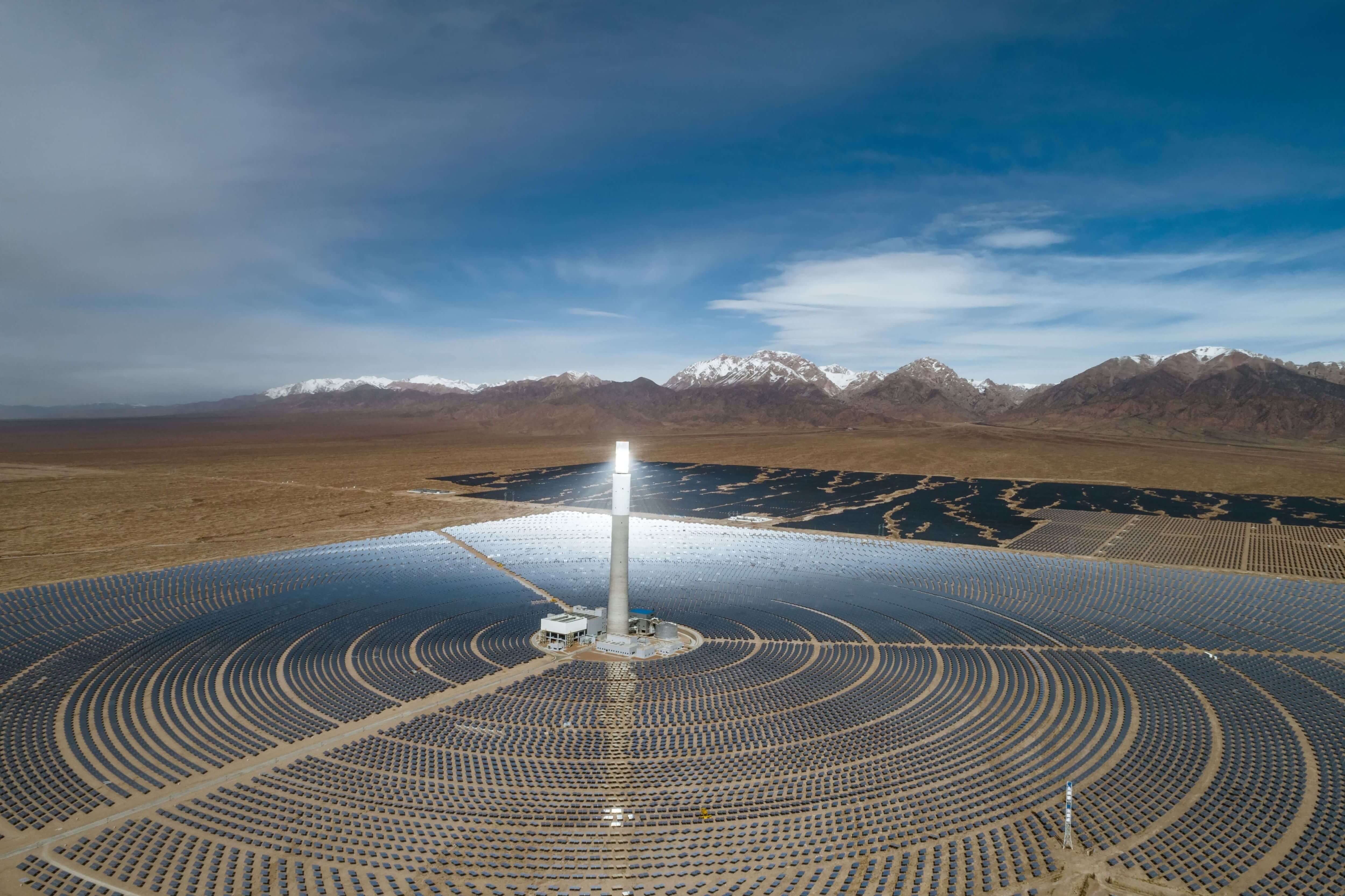 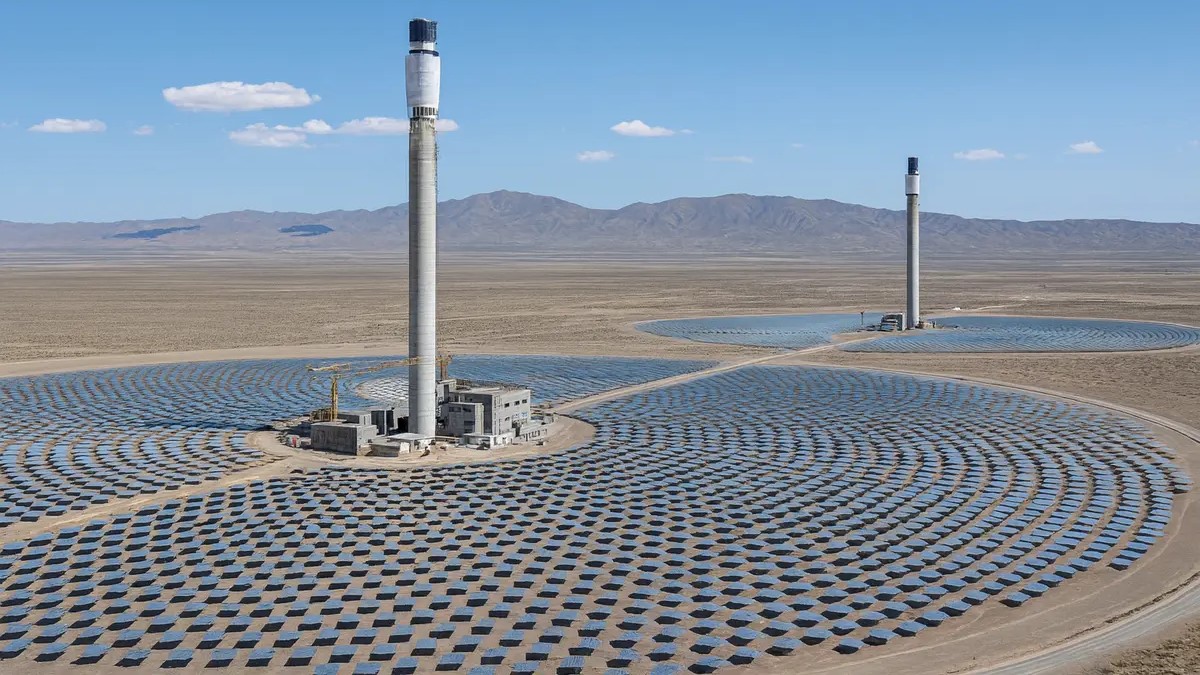 ## Scientists Are Building an “Artificial Sun” in the Desert — And It Could Change How Cities Get Power In a remote desert landscape, something extraordinary is taking shape. Thousands of mirrors stretch across the sand, reflecting sunlight toward a central tower that glows brighter than anything else in sight. Nearby, inside steel chambers and advanced laboratories, scientists are attempting something even more ambitious: recreating the energy process that powers the stars. Researchers and engineers have begun calling the project an **“artificial sun.”** The goal is simple but revolutionary — generate enormous amounts of clean electricity using the same fusion process that fuels the real sun. If successful, this technology could provide nearly unlimited energy for cities while dramatically reducing carbon emissions. ## What Is an Artificial Sun? The term “artificial sun” refers to **nuclear fusion reactors**, experimental machines designed to replicate the reaction happening inside stars. ### How fusion works In the core of the sun, hydrogen atoms collide under extreme heat and pressure. They fuse together to form helium, releasing massive amounts of energy. Scientists are trying to recreate that reaction on Earth. To do this, they: * Heat hydrogen fuel into plasma hotter than the sun’s core * Use powerful magnetic fields to hold the plasma in place * Trigger atomic fusion that releases energy If the process becomes stable and efficient, fusion could provide **clean, abundant electricity with minimal environmental impact.** ## Why the Desert Is the Perfect Location Fusion facilities and large solar energy complexes require huge amounts of space and sunlight. That’s why many experimental projects are being built in desert regions. ### Advantages of desert locations * Up to **300 sunny days per year** * Large open land areas for solar mirror fields * Low population density * Stable ground for heavy infrastructure The desert environment also allows researchers to combine fusion research with **concentrated solar power systems**, creating hybrid energy plants. ## The Role of Giant Mirror Fields One of the most striking features of the facility is the field of heliostats — massive mirrors that follow the sun across the sky. Each mirror reflects sunlight toward a central tower where heat is collected and stored. ### What heliostats do * Concentrate sunlight into extremely high temperatures * Produce steam that spins turbines * Store thermal energy in molten salt tanks * Generate electricity even after sunset This solar system provides immediate renewable power while supporting the experimental fusion infrastructure nearby. ## How the Artificial Sun Could Power Cities The long-term goal is to create power plants that operate around the clock without fossil fuels. Fusion could provide stable electricity regardless of weather conditions, solving one of the biggest challenges facing renewable energy today. ### Potential energy output Component | Purpose | Estimated Impact Solar mirror tower | Daytime renewable electricity | Up to 150,000 homes Fusion test reactors | Experimental constant power | ~50,000 homes in early phases Thermal storage tanks | Nighttime electricity supply | 4–6 hours grid backup Battery systems | Stabilize the grid | Instant response to demand spikes Although these numbers are still projections, the concept shows how multiple technologies could work together to power entire urban areas. ## Why Fusion Energy Is So Important Global electricity demand continues to grow as more systems move toward electrification — from vehicles to heating systems and data centers. Fusion energy offers several advantages compared with traditional power sources. ### Key benefits of fusion power * No greenhouse gas emissions during operation * Fuel derived from hydrogen, one of the most abundant elements * Minimal long-term radioactive waste * No risk of runaway chain reactions Because of these factors, fusion is often described as the **“holy grail of clean energy.”** ## The Biggest Challenges Scientists Still Face Despite decades of research, fusion remains one of the most difficult engineering challenges in modern science. Creating plasma hotter than the sun and controlling it inside a reactor requires incredibly precise technology. ### Major hurdles * Maintaining stable plasma for long periods * Designing materials that survive extreme heat * Scaling experimental reactors into commercial power plants * Reducing costs so electricity becomes affordable Scientists have made major breakthroughs recently, including successful experiments that produced **net energy gain for brief moments**. However, reliable commercial fusion power is still under development. ## Key Takeaways * Scientists are building experimental fusion reactors known as **artificial suns**. * These projects aim to generate massive amounts of clean electricity. * Desert locations provide ideal conditions for solar and fusion infrastructure. * Fusion could eventually deliver constant, low-carbon energy for cities worldwide. While the technology is still evolving, progress is accelerating as governments and private companies invest billions into fusion research. ## Frequently Asked Questions ### What is an artificial sun in energy research? An artificial sun is a nuclear fusion reactor designed to replicate the energy process that powers stars. ### Is fusion energy safer than nuclear power? Fusion generally produces less radioactive waste and cannot trigger runaway chain reactions like traditional nuclear fission plants. ### When will fusion power become widely available? Many experts expect early commercial fusion plants to appear between the **2030s and 2040s**, though timelines remain uncertain. ### Why are fusion experiments built in deserts? Deserts provide strong sunlight, large open land areas, and stable environments for building large energy facilities. ### Could fusion completely replace fossil fuels? Fusion could become a major clean energy source, but it will likely work alongside solar, wind, and other renewable technologies. ## Conclusion For decades, the idea of building a miniature star on Earth sounded like science fiction. Today, that vision is slowly becoming reality in remote deserts where scientists are testing the limits of physics and engineering. The artificial sun projects rising from the sand represent more than an experiment. They represent a new possibility for how humanity powers its future. If fusion energy succeeds, the lights in cities around the world may one day be powered by the same process that makes the stars shine.](https://ozpuff.com.au/wp-content/uploads/2026/03/Scientists-Are-Building-an-Artificial-Sun-in-the-Desert-—-And-It-Could-Change-How-Cities-Get-Power-1024x576.png)