
Have you ever felt strangely relieved when plans get canceled?
While others rush toward crowded events and constant notifications, some people feel most at peace in quiet spaces — a walk alone, a book by the window, or simply a calm moment without conversation.

For years, society has labeled this preference as introversion, shyness, or antisocial behavior. But modern psychology suggests something very different.
According to psychologists, choosing solitude can actually reveal powerful personality traits linked to emotional intelligence, creativity, and resilience. People who value alone time often develop skills many others overlook.
Let’s explore what research and psychological insights say about those who genuinely enjoy their own company.
Why Solitude Feels Restorative for Some People

Psychologists use the term mental restoration to describe the calm people feel when they step away from social noise.
During constant social interaction, the brain processes facial expressions, tone, and responses. Over time, that mental activity becomes exhausting.
Solitude allows the mind to reset.
Signs solitude is restorative rather than unhealthy
- Feeling calm and recharged after time alone
- Enjoying reflection or creative thinking
- Preferring meaningful conversation over small talk
- Feeling comfortable without constant digital interaction

When solitude is chosen intentionally, it often strengthens emotional clarity rather than isolation.
8 Powerful Personality Traits Linked to Solitude
Psychologists have identified several traits commonly found in people who regularly seek quiet time.
1. Deep Self-Awareness
People who spend time alone often reflect on their thoughts and emotions.
This reflection builds self-awareness, helping them understand:
- What motivates them
- What drains their energy
- What truly matters in life
Research shows self-aware individuals often make better decisions and build healthier relationships.
2. Emotional Independence
Preferring solitude usually means a person does not depend on constant validation from others.
Instead, they feel comfortable forming opinions and making choices independently.
This trait often leads to:
- Strong personal boundaries
- Less pressure to follow social trends
- Greater emotional stability
3. Strong Personal Values
Solitude creates space for reflection.
Without constant outside influence, people have time to define their own values and beliefs.
This often results in individuals who:
- Make thoughtful choices
- Stay true to their principles
- Resist peer pressure more easily
4. Creative Thinking
Many psychologists link solitude with creative problem-solving.
Without distractions, the brain enters a state known as deep thinking, where ideas connect and new solutions emerge.
Many writers, scientists, and innovators report their best ideas appear during quiet moments alone.
5. Thoughtful Empathy
Surprisingly, people who enjoy solitude are often highly empathetic.
Time alone allows them to reflect on conversations and understand other perspectives.
This leads to deeper emotional insight and stronger connections in the relationships they choose to keep.
6. Strong Resilience
Spending time alone teaches people how to manage emotions without relying on distractions.
That builds psychological resilience, which helps during stressful situations.
Resilient individuals often:
- Handle setbacks calmly
- Think through problems carefully
- Recover faster from emotional stress
7. Deeper Relationships
Those who value solitude typically prefer quality over quantity in friendships.
Instead of maintaining large social circles, they focus on a few meaningful connections.
These relationships often become:
- More authentic
- More emotionally supportive
- Longer lasting
8. Mental Clarity and Focus
Constant social interaction fragments attention.
Solitude helps restore focus, allowing people to concentrate on goals, creative work, or long-term plans.
This clarity can lead to stronger productivity and personal growth.
Solitude vs. Loneliness: Understanding the Difference
One of the biggest misconceptions about solitude is confusing it with loneliness.
Psychologists emphasize that these experiences are very different.
| Experience | Description | Emotional Result |
|---|---|---|
| Solitude | Time alone chosen intentionally | Restorative and calming |
| Loneliness | Feeling disconnected from others | Painful and draining |
Healthy solitude can actually reduce loneliness because it helps people better understand themselves and their needs in relationships.
Key Takeaways
Psychologists increasingly recognize that people who enjoy solitude often develop powerful mental strengths.
Common traits linked to healthy solitude include:
- High self-awareness
- Emotional independence
- Strong personal values
- Creativity and deep thinking
- Empathy and resilience
- Meaningful relationships
Instead of being a weakness, the ability to enjoy time alone can be a valuable psychological advantage.
FAQs
Is preferring solitude normal?
Yes. Many people naturally recharge through quiet time. It becomes a concern only if isolation causes distress or sadness.
Does enjoying solitude mean someone is an introvert?
Not always. Introverts often prefer solitude, but even extroverts sometimes need quiet time to think and reset.
Can solitude improve mental health?
When balanced with healthy relationships, solitude can reduce stress, improve focus, and strengthen emotional awareness.
How much alone time is healthy?
There is no universal rule. The right amount depends on personality, lifestyle, and emotional needs.
When does solitude become unhealthy?
Solitude becomes harmful when it turns into unwanted isolation, persistent sadness, or avoidance of all relationships.
Conclusion
In a world that celebrates constant activity and endless connection, choosing quiet moments can feel unusual.
But psychology shows that people who value solitude often develop deeper insight, creativity, and emotional strength.
Sometimes the most powerful growth doesn’t happen in crowded rooms.
It happens in the quiet spaces where you finally have time to hear your own thoughts.
And those moments of calm may reveal strengths you never realized you had.

  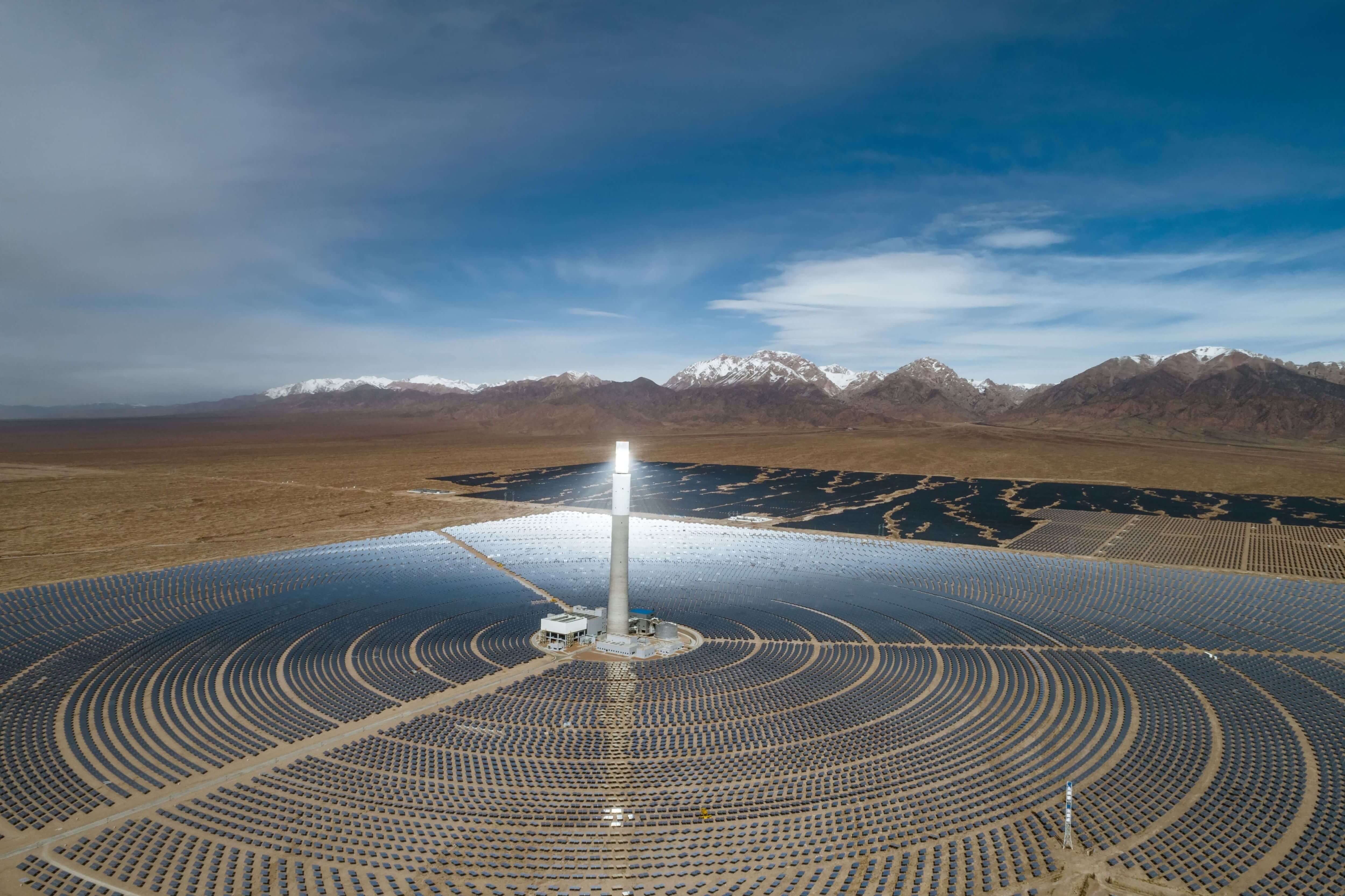 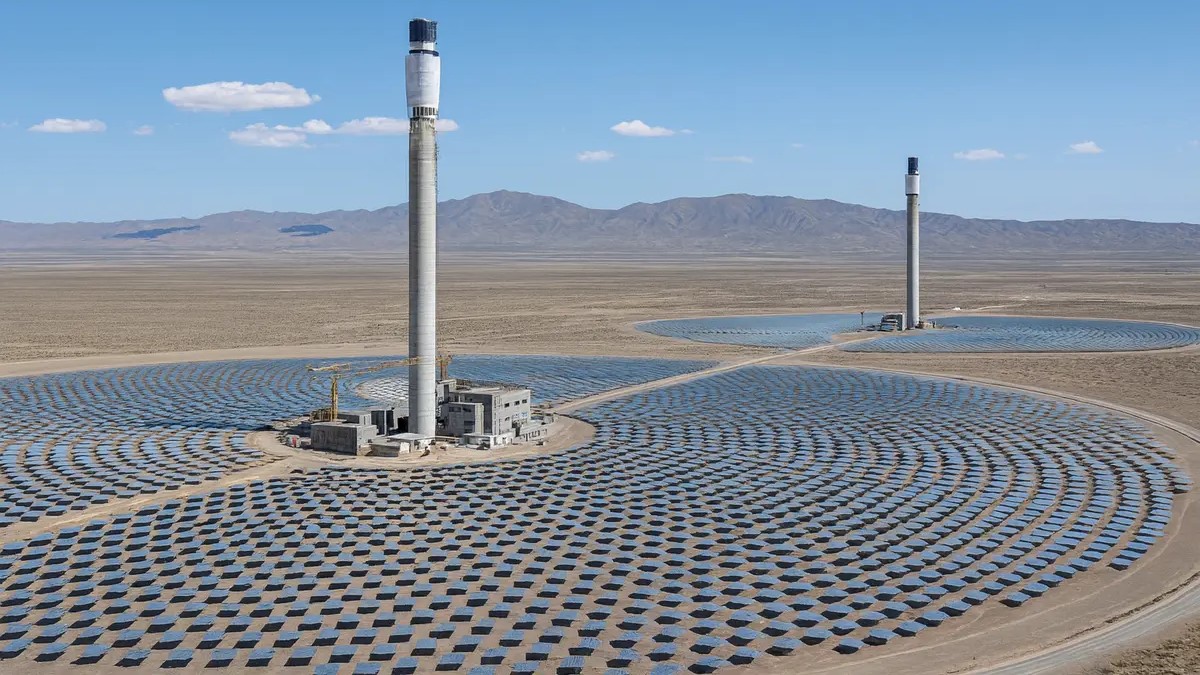 ## Scientists Are Building an “Artificial Sun” in the Desert — And It Could Change How Cities Get Power In a remote desert landscape, something extraordinary is taking shape. Thousands of mirrors stretch across the sand, reflecting sunlight toward a central tower that glows brighter than anything else in sight. Nearby, inside steel chambers and advanced laboratories, scientists are attempting something even more ambitious: recreating the energy process that powers the stars. Researchers and engineers have begun calling the project an **“artificial sun.”** The goal is simple but revolutionary — generate enormous amounts of clean electricity using the same fusion process that fuels the real sun. If successful, this technology could provide nearly unlimited energy for cities while dramatically reducing carbon emissions. ## What Is an Artificial Sun? The term “artificial sun” refers to **nuclear fusion reactors**, experimental machines designed to replicate the reaction happening inside stars. ### How fusion works In the core of the sun, hydrogen atoms collide under extreme heat and pressure. They fuse together to form helium, releasing massive amounts of energy. Scientists are trying to recreate that reaction on Earth. To do this, they: * Heat hydrogen fuel into plasma hotter than the sun’s core * Use powerful magnetic fields to hold the plasma in place * Trigger atomic fusion that releases energy If the process becomes stable and efficient, fusion could provide **clean, abundant electricity with minimal environmental impact.** ## Why the Desert Is the Perfect Location Fusion facilities and large solar energy complexes require huge amounts of space and sunlight. That’s why many experimental projects are being built in desert regions. ### Advantages of desert locations * Up to **300 sunny days per year** * Large open land areas for solar mirror fields * Low population density * Stable ground for heavy infrastructure The desert environment also allows researchers to combine fusion research with **concentrated solar power systems**, creating hybrid energy plants. ## The Role of Giant Mirror Fields One of the most striking features of the facility is the field of heliostats — massive mirrors that follow the sun across the sky. Each mirror reflects sunlight toward a central tower where heat is collected and stored. ### What heliostats do * Concentrate sunlight into extremely high temperatures * Produce steam that spins turbines * Store thermal energy in molten salt tanks * Generate electricity even after sunset This solar system provides immediate renewable power while supporting the experimental fusion infrastructure nearby. ## How the Artificial Sun Could Power Cities The long-term goal is to create power plants that operate around the clock without fossil fuels. Fusion could provide stable electricity regardless of weather conditions, solving one of the biggest challenges facing renewable energy today. ### Potential energy output Component | Purpose | Estimated Impact Solar mirror tower | Daytime renewable electricity | Up to 150,000 homes Fusion test reactors | Experimental constant power | ~50,000 homes in early phases Thermal storage tanks | Nighttime electricity supply | 4–6 hours grid backup Battery systems | Stabilize the grid | Instant response to demand spikes Although these numbers are still projections, the concept shows how multiple technologies could work together to power entire urban areas. ## Why Fusion Energy Is So Important Global electricity demand continues to grow as more systems move toward electrification — from vehicles to heating systems and data centers. Fusion energy offers several advantages compared with traditional power sources. ### Key benefits of fusion power * No greenhouse gas emissions during operation * Fuel derived from hydrogen, one of the most abundant elements * Minimal long-term radioactive waste * No risk of runaway chain reactions Because of these factors, fusion is often described as the **“holy grail of clean energy.”** ## The Biggest Challenges Scientists Still Face Despite decades of research, fusion remains one of the most difficult engineering challenges in modern science. Creating plasma hotter than the sun and controlling it inside a reactor requires incredibly precise technology. ### Major hurdles * Maintaining stable plasma for long periods * Designing materials that survive extreme heat * Scaling experimental reactors into commercial power plants * Reducing costs so electricity becomes affordable Scientists have made major breakthroughs recently, including successful experiments that produced **net energy gain for brief moments**. However, reliable commercial fusion power is still under development. ## Key Takeaways * Scientists are building experimental fusion reactors known as **artificial suns**. * These projects aim to generate massive amounts of clean electricity. * Desert locations provide ideal conditions for solar and fusion infrastructure. * Fusion could eventually deliver constant, low-carbon energy for cities worldwide. While the technology is still evolving, progress is accelerating as governments and private companies invest billions into fusion research. ## Frequently Asked Questions ### What is an artificial sun in energy research? An artificial sun is a nuclear fusion reactor designed to replicate the energy process that powers stars. ### Is fusion energy safer than nuclear power? Fusion generally produces less radioactive waste and cannot trigger runaway chain reactions like traditional nuclear fission plants. ### When will fusion power become widely available? Many experts expect early commercial fusion plants to appear between the **2030s and 2040s**, though timelines remain uncertain. ### Why are fusion experiments built in deserts? Deserts provide strong sunlight, large open land areas, and stable environments for building large energy facilities. ### Could fusion completely replace fossil fuels? Fusion could become a major clean energy source, but it will likely work alongside solar, wind, and other renewable technologies. ## Conclusion For decades, the idea of building a miniature star on Earth sounded like science fiction. Today, that vision is slowly becoming reality in remote deserts where scientists are testing the limits of physics and engineering. The artificial sun projects rising from the sand represent more than an experiment. They represent a new possibility for how humanity powers its future. If fusion energy succeeds, the lights in cities around the world may one day be powered by the same process that makes the stars shine.](https://ozpuff.com.au/wp-content/uploads/2026/03/Scientists-Are-Building-an-Artificial-Sun-in-the-Desert-—-And-It-Could-Change-How-Cities-Get-Power-1024x576.png)