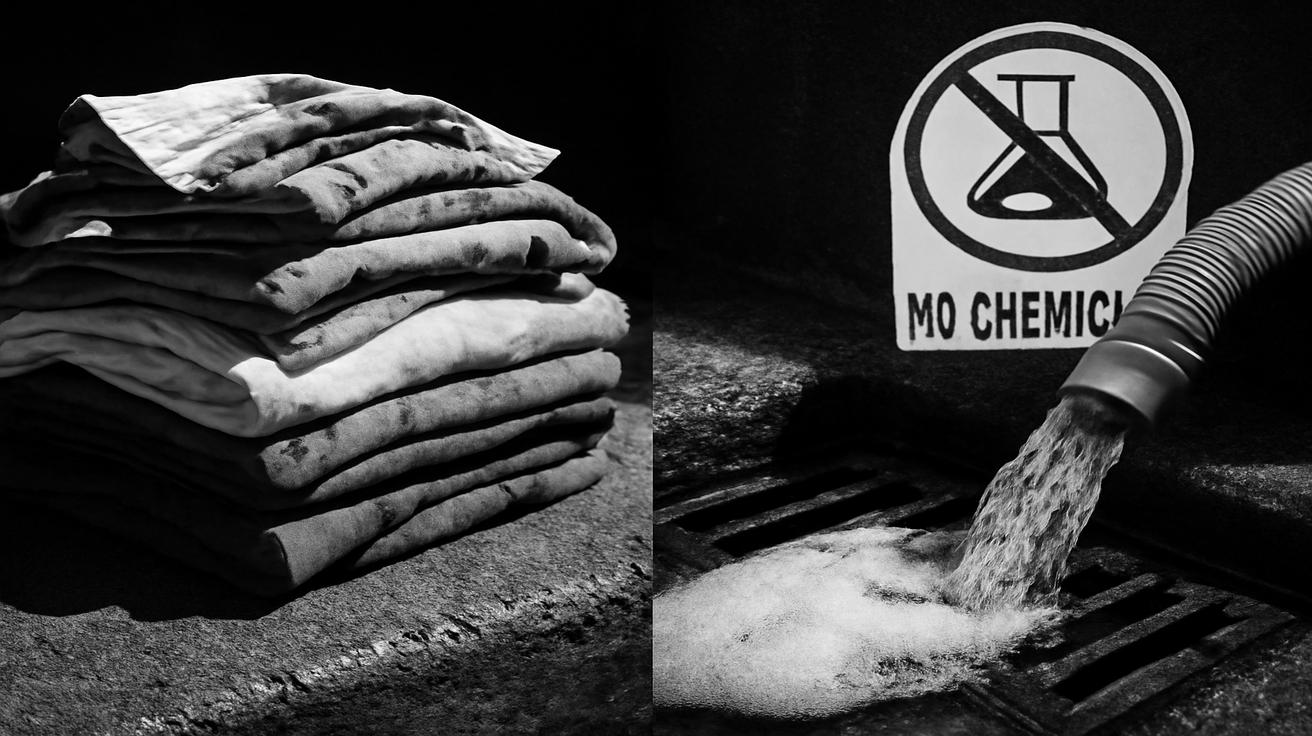
Fresh-smelling laundry has long been associated with comfort and cleanliness. Recently, a popular washing-machine “hack” has taken that idea to another level—promising clothes that smell like luxury perfume for weeks.
But as the trend spreads through social media and online cleaning forums, some households are discovering that the powerful fragrance cocktail can create unexpected problems. From irritated neighbors to environmental concerns, what began as a simple laundry upgrade is now raising broader questions about how everyday habits affect shared air and water.
The Trend: Layering Fragrances in Every Wash

The method itself is surprisingly simple. Instead of relying on one product, users combine multiple scented laundry items in a single wash cycle.
The routine typically includes:
- Strong liquid detergent
- Fabric softener
- In-wash scent booster beads
- Laundry fragrance oils
- Multiple dryer sheets
Supporters say the technique creates a “signature scent” that lasts far longer than traditional laundry routines. Towels, bedding, and everyday clothes come out smelling more like designer fragrance than freshly washed fabric.

For many people, the results feel luxurious—almost like bringing a five-star hotel scent into their home.
However, the stronger the scent, the more likely it is to travel beyond the laundry room.
When Laundry Scents Travel Beyond the House
Fragrance molecules released during washing and drying don’t always stay indoors. Dryer vents push scented air outside, where it can drift through neighboring gardens, balconies, and open windows.

While some people enjoy the smell, others find it overwhelming. Individuals with asthma, migraines, or fragrance sensitivities may experience symptoms such as coughing, headaches, or irritation when exposed to strong synthetic scents.
In densely populated neighborhoods or apartment buildings, the issue becomes even more noticeable. What one household considers a pleasant aroma may feel intrusive to someone next door.
The growing discussion around “laundry scent pollution” has prompted many communities to rethink how much fragrance is too much.
The Environmental Side of Laundry Fragrance
Air quality isn’t the only concern. Every wash cycle sends detergent, softener, and dissolved fragrance compounds into wastewater systems.
Most modern detergents are considered safe for household use, but when millions of homes use heavily scented products daily, the cumulative impact becomes larger.
Common ingredients found in fragrance-heavy laundry products can include:
- Surfactants
- Synthetic fragrance molecules
- Preservatives and solvents
- Polymer capsules used in scent beads
Wastewater treatment plants remove much of this material, but not all compounds break down easily. Trace chemicals and microplastics from clothing fibers can still make their way into rivers and waterways.
Environmental researchers increasingly view everyday household products as a significant contributor to low-level chemical pollution.
Comparing Different Laundry Habits
| Laundry Routine | What You Notice | Environmental Impact |
|---|---|---|
| Detergent + softener + scent beads + dryer sheets | Strong fragrance lasting weeks | Higher chemical load in air and wastewater |
| Standard detergent with occasional softener | Light, clean scent for a few days | Moderate chemical footprint |
| Fragrance-free detergent with wool dryer balls | Subtle or natural smell | Lower chemical impact and less waste |
| Line-drying outdoors | Natural fresh-air scent | Minimal energy use and reduced emissions |
The comparison shows that even small adjustments can significantly reduce fragrance emissions without sacrificing cleanliness.
A Shift Toward Simpler Laundry Routines
As awareness grows, some households are experimenting with more balanced approaches.
Popular alternatives include:
- Using fragrance-free or lightly scented detergents
- Reducing the amount of detergent per load
- Replacing dryer sheets with reusable wool dryer balls
- Line-drying clothes when weather allows
These options still keep clothing clean while limiting the intensity of synthetic fragrances released into the environment.
For people who enjoy scented laundry, small amounts of essential oils applied to dryer balls can add a subtle aroma without the heavy chemical mix.
Why This Matters for Everyday Households
Laundry is one of the most routine tasks in any home. Yet when multiplied across entire cities, small habits can have surprisingly large effects on air quality, water systems, and neighborhood comfort.
The viral fragrance-layering trick shows how quickly lifestyle trends can spread—and how important it is to consider their wider impact.
Clean clothes don’t necessarily need a cloud of perfume to feel fresh. For many households, a simpler routine is proving to be just as satisfying while keeping shared spaces—from apartment hallways to local rivers—a little easier to breathe.

  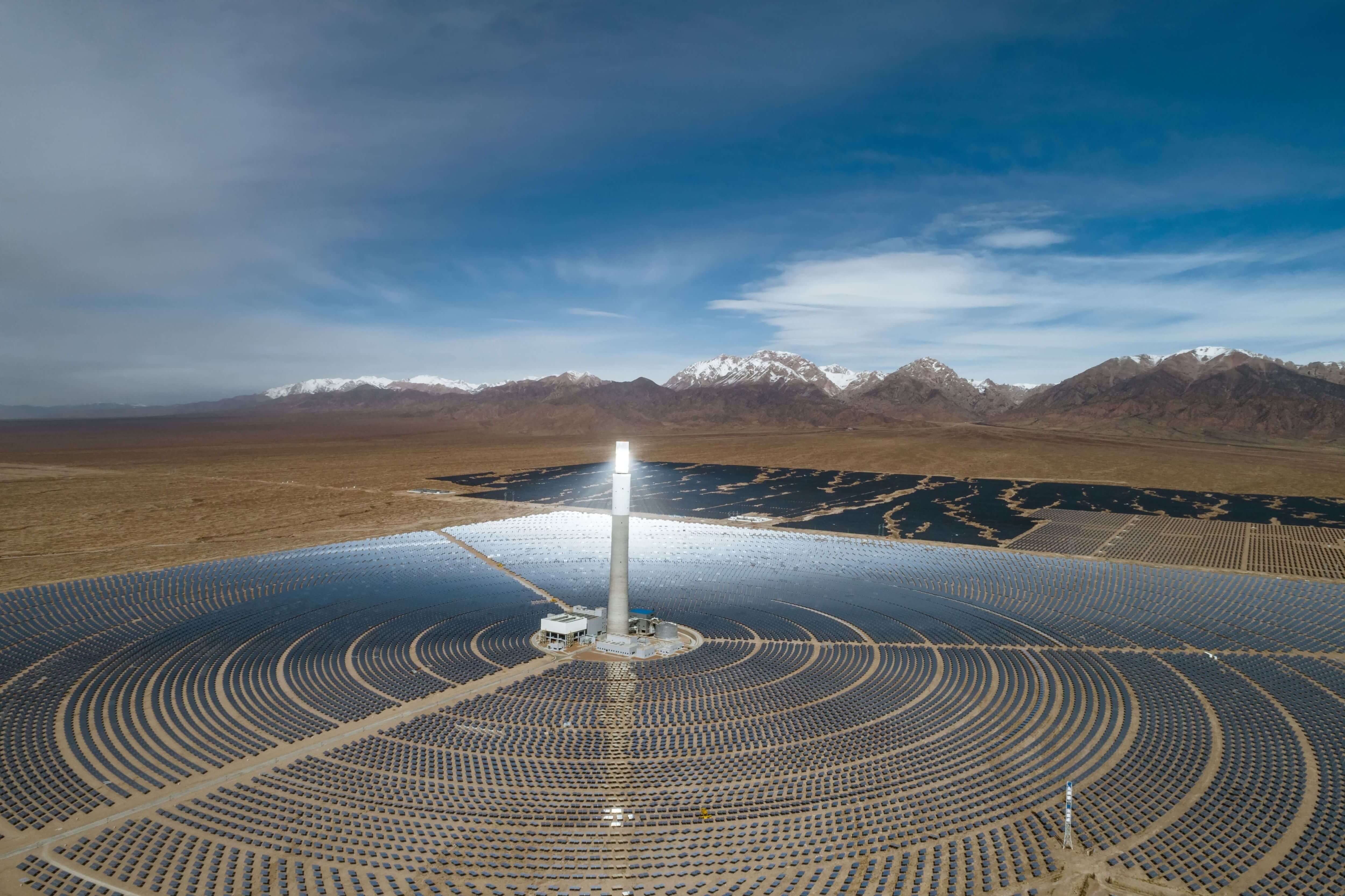 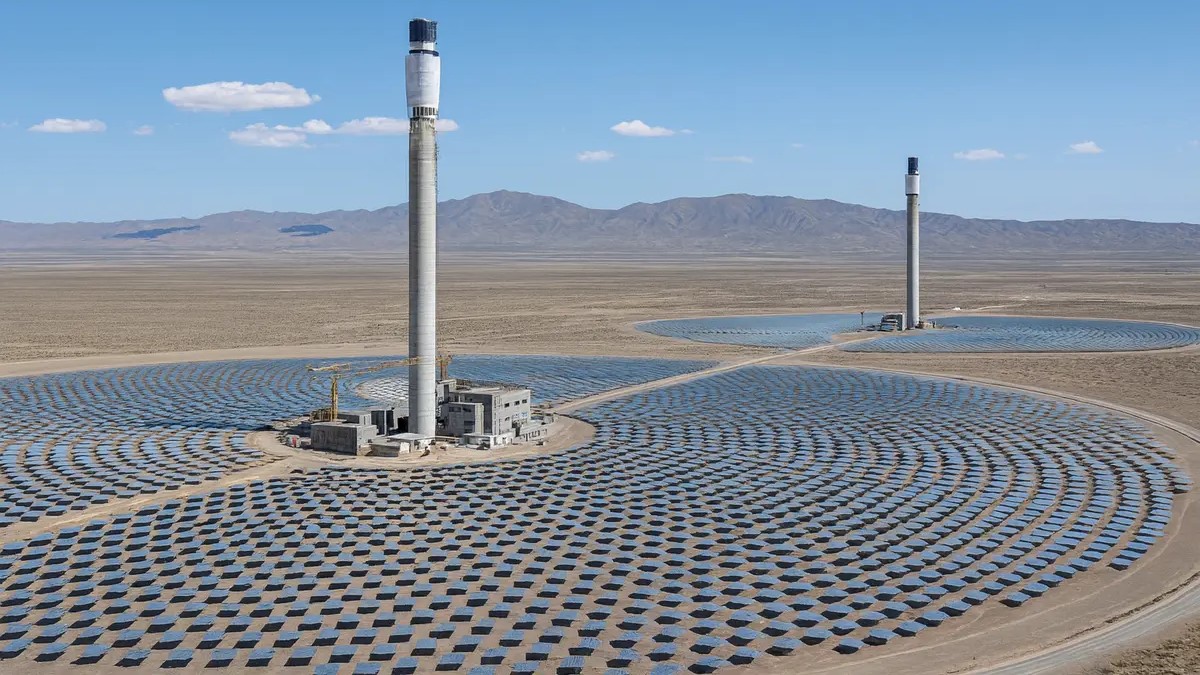 ## Scientists Are Building an “Artificial Sun” in the Desert — And It Could Change How Cities Get Power In a remote desert landscape, something extraordinary is taking shape. Thousands of mirrors stretch across the sand, reflecting sunlight toward a central tower that glows brighter than anything else in sight. Nearby, inside steel chambers and advanced laboratories, scientists are attempting something even more ambitious: recreating the energy process that powers the stars. Researchers and engineers have begun calling the project an **“artificial sun.”** The goal is simple but revolutionary — generate enormous amounts of clean electricity using the same fusion process that fuels the real sun. If successful, this technology could provide nearly unlimited energy for cities while dramatically reducing carbon emissions. ## What Is an Artificial Sun? The term “artificial sun” refers to **nuclear fusion reactors**, experimental machines designed to replicate the reaction happening inside stars. ### How fusion works In the core of the sun, hydrogen atoms collide under extreme heat and pressure. They fuse together to form helium, releasing massive amounts of energy. Scientists are trying to recreate that reaction on Earth. To do this, they: * Heat hydrogen fuel into plasma hotter than the sun’s core * Use powerful magnetic fields to hold the plasma in place * Trigger atomic fusion that releases energy If the process becomes stable and efficient, fusion could provide **clean, abundant electricity with minimal environmental impact.** ## Why the Desert Is the Perfect Location Fusion facilities and large solar energy complexes require huge amounts of space and sunlight. That’s why many experimental projects are being built in desert regions. ### Advantages of desert locations * Up to **300 sunny days per year** * Large open land areas for solar mirror fields * Low population density * Stable ground for heavy infrastructure The desert environment also allows researchers to combine fusion research with **concentrated solar power systems**, creating hybrid energy plants. ## The Role of Giant Mirror Fields One of the most striking features of the facility is the field of heliostats — massive mirrors that follow the sun across the sky. Each mirror reflects sunlight toward a central tower where heat is collected and stored. ### What heliostats do * Concentrate sunlight into extremely high temperatures * Produce steam that spins turbines * Store thermal energy in molten salt tanks * Generate electricity even after sunset This solar system provides immediate renewable power while supporting the experimental fusion infrastructure nearby. ## How the Artificial Sun Could Power Cities The long-term goal is to create power plants that operate around the clock without fossil fuels. Fusion could provide stable electricity regardless of weather conditions, solving one of the biggest challenges facing renewable energy today. ### Potential energy output Component | Purpose | Estimated Impact Solar mirror tower | Daytime renewable electricity | Up to 150,000 homes Fusion test reactors | Experimental constant power | ~50,000 homes in early phases Thermal storage tanks | Nighttime electricity supply | 4–6 hours grid backup Battery systems | Stabilize the grid | Instant response to demand spikes Although these numbers are still projections, the concept shows how multiple technologies could work together to power entire urban areas. ## Why Fusion Energy Is So Important Global electricity demand continues to grow as more systems move toward electrification — from vehicles to heating systems and data centers. Fusion energy offers several advantages compared with traditional power sources. ### Key benefits of fusion power * No greenhouse gas emissions during operation * Fuel derived from hydrogen, one of the most abundant elements * Minimal long-term radioactive waste * No risk of runaway chain reactions Because of these factors, fusion is often described as the **“holy grail of clean energy.”** ## The Biggest Challenges Scientists Still Face Despite decades of research, fusion remains one of the most difficult engineering challenges in modern science. Creating plasma hotter than the sun and controlling it inside a reactor requires incredibly precise technology. ### Major hurdles * Maintaining stable plasma for long periods * Designing materials that survive extreme heat * Scaling experimental reactors into commercial power plants * Reducing costs so electricity becomes affordable Scientists have made major breakthroughs recently, including successful experiments that produced **net energy gain for brief moments**. However, reliable commercial fusion power is still under development. ## Key Takeaways * Scientists are building experimental fusion reactors known as **artificial suns**. * These projects aim to generate massive amounts of clean electricity. * Desert locations provide ideal conditions for solar and fusion infrastructure. * Fusion could eventually deliver constant, low-carbon energy for cities worldwide. While the technology is still evolving, progress is accelerating as governments and private companies invest billions into fusion research. ## Frequently Asked Questions ### What is an artificial sun in energy research? An artificial sun is a nuclear fusion reactor designed to replicate the energy process that powers stars. ### Is fusion energy safer than nuclear power? Fusion generally produces less radioactive waste and cannot trigger runaway chain reactions like traditional nuclear fission plants. ### When will fusion power become widely available? Many experts expect early commercial fusion plants to appear between the **2030s and 2040s**, though timelines remain uncertain. ### Why are fusion experiments built in deserts? Deserts provide strong sunlight, large open land areas, and stable environments for building large energy facilities. ### Could fusion completely replace fossil fuels? Fusion could become a major clean energy source, but it will likely work alongside solar, wind, and other renewable technologies. ## Conclusion For decades, the idea of building a miniature star on Earth sounded like science fiction. Today, that vision is slowly becoming reality in remote deserts where scientists are testing the limits of physics and engineering. The artificial sun projects rising from the sand represent more than an experiment. They represent a new possibility for how humanity powers its future. If fusion energy succeeds, the lights in cities around the world may one day be powered by the same process that makes the stars shine.](https://ozpuff.com.au/wp-content/uploads/2026/03/Scientists-Are-Building-an-Artificial-Sun-in-the-Desert-—-And-It-Could-Change-How-Cities-Get-Power-1024x576.png)