
Even with a healthy cushion of $2,500 left each month, many people experience persistent anxiety around money. On paper, the math seems solid—bills are covered, savings are growing—but the feeling tells a different story: a creeping sense of fragility, like every decision could trigger financial collapse. This disconnect between numbers and nerves isn’t about being irresponsible—it’s about how we interpret security, habits, and personal definitions of “enough.”
For households navigating day-to-day expenses, leftover money isn’t always a free-for-all. Without intentional allocation, even a sizable surplus can vanish into a mix of small comforts, social pressures, and unplanned spending. Understanding why $2,500 doesn’t automatically feel like freedom reveals much about human psychology, lifestyle patterns, and the invisible scripts we carry from childhood.
The Invisible Weight Behind “Leftover” Money

Even when income rises and savings accumulate, financial anxiety can persist. Childhood experiences, subtle family habits, and early messages about scarcity often shape how we relate to money as adults. A bank balance doesn’t automatically overwrite years of ingrained caution or worry.
Tracking Where It Really Goes
By examining spending with honesty, leftover money becomes easier to understand. Consider the following monthly breakdown of a $2,500 surplus:
| Category | Average / Month | What It Really Represents |
|---|---|---|
| Extra food & takeout | $420 | Convenience, comfort, coping with busy schedules |
| Online shopping | $310 | Small bursts of happiness, distraction, boredom relief |
| Subscriptions & minor charges | $185 | Habit-driven or fear-of-missing-out purchases |
| Travel & social plans | $640 | Social belonging and guilt-driven yeses |
| Savings & investments | $945 | Real security, future planning, anxiety mitigation |
Rather than being truly “extra,” the money spreads across immediate comfort, social obligations, and long-term protection. Without clarity, it doesn’t feel owned—it feels reactive.
Defining Your Personal “Enough”

Financial freedom isn’t measured solely by a number. The key is aligning spending with personal values and intentionality. Answering this question—what does enough mean to me?—can reshape how money feels.
For example, “enough” might include:
- Paying all fixed bills without stress
- Maintaining an emergency fund for peace of mind
- Choosing some trips or experiences without guilt
- Feeling calm rather than anxious when checking accounts
When money is consciously allocated toward safety, enjoyment, and future freedom, it no longer hovers as a vague source of worry.
How Lifestyle Creep Amplifies Scarcity

Even a healthy surplus can feel insufficient when compared to peers or aspirational lifestyles. Upgraded gadgets, weekend trips, or premium memberships subtly shift our expectations. These incremental changes—often unnoticed at the moment—raise the bar for what feels “normal” and increase the pressure to maintain a higher baseline.
This is why $2,500 can feel fragile: it’s less about the amount and more about the perceived risk of losing access to current comforts.
Turning Leftover Money Into Intentional Money
The shift from reactive spending to intentional budgeting is transformative. One effective approach is dividing surplus into clear categories:
| Bucket | Purpose | Monthly Allocation |
|---|---|---|
| Safety | Emergency fund, basic long-term savings | $1,200 |
| Joy | Travel, hobbies, occasional treats | $600 |
| Future Freedom | Investments, extra debt payments | $700 |
By defining roles for each dollar, choices become deliberate rather than impulsive. Asking “Which bucket does this belong to?” replaces guilt and uncertainty with clarity and confidence.
The Real Lesson
Feeling broke isn’t always about the number in your bank account—it’s about safety, clarity, and trust in your own decisions. By acknowledging past patterns, defining personal financial priorities, and assigning clear purposes to leftover money, it’s possible to transform anxiety into control.
The $2,500 hasn’t changed, but the experience has. Freedom isn’t just having money—it’s understanding, trusting, and intentionally guiding it toward the life you want.
FAQs
Is $2,500 left over each month a lot?
It depends on location, lifestyle, and responsibilities. The real measure is whether it supports your version of “enough.”
How do I stop feeling guilty about spending?
Allocate funds into clear categories like safety, joy, and future freedom. Intentional spending reduces guilt and stress.
What if nothing is left at month’s end?
Focus on essential expenses, income growth, and debt management first. Emotional clarity is helpful but secondary to cash flow.
How can I define my own “enough”?
Write out what a financially calm life looks like: emergency funds, travel frequency, bill comfort, and work-life balance. Align spending with this vision.
Why do I still feel unsafe even with savings?
Past financial stress can create lingering anxiety. Regularly reminding yourself of actual protections and pairing them with calming routines reinforces security.

  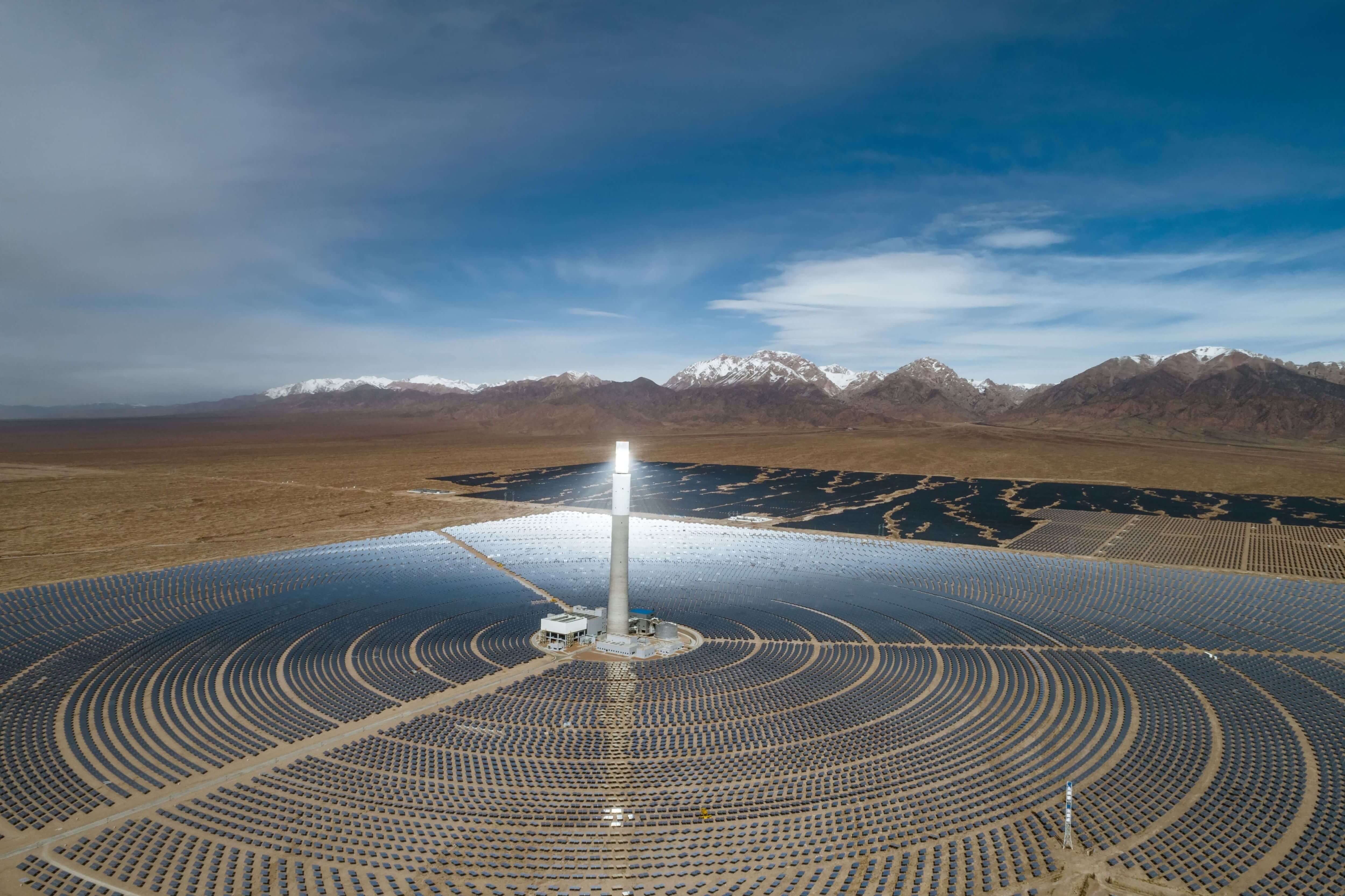 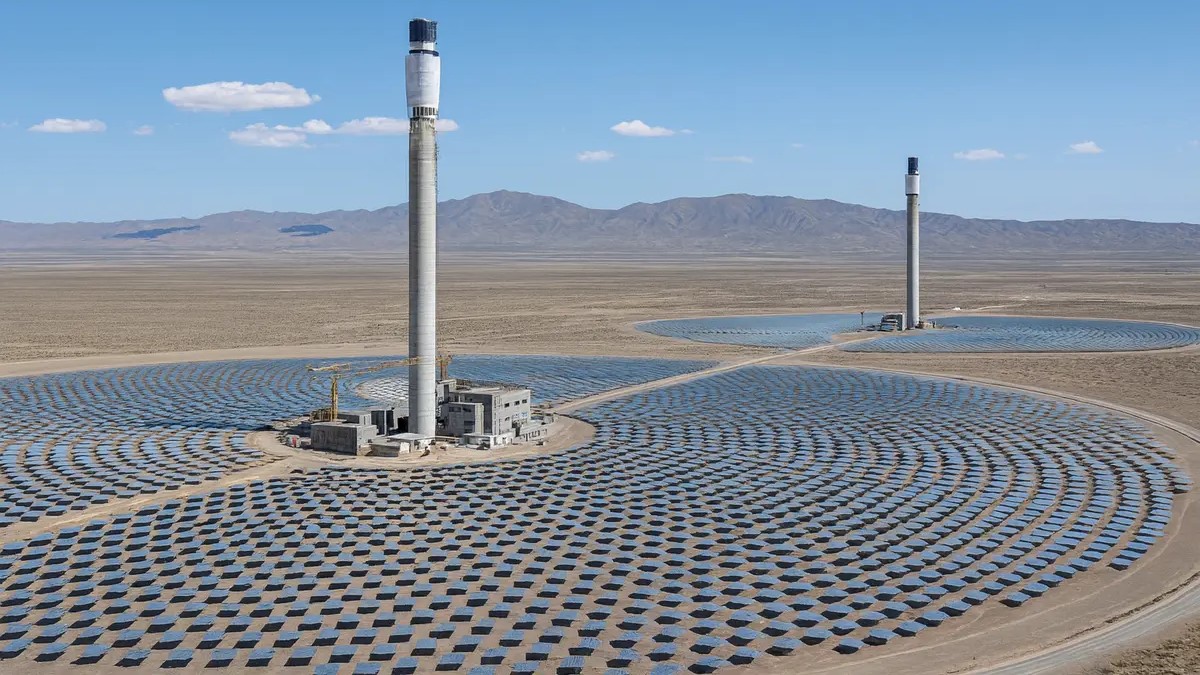 ## Scientists Are Building an “Artificial Sun” in the Desert — And It Could Change How Cities Get Power In a remote desert landscape, something extraordinary is taking shape. Thousands of mirrors stretch across the sand, reflecting sunlight toward a central tower that glows brighter than anything else in sight. Nearby, inside steel chambers and advanced laboratories, scientists are attempting something even more ambitious: recreating the energy process that powers the stars. Researchers and engineers have begun calling the project an **“artificial sun.”** The goal is simple but revolutionary — generate enormous amounts of clean electricity using the same fusion process that fuels the real sun. If successful, this technology could provide nearly unlimited energy for cities while dramatically reducing carbon emissions. ## What Is an Artificial Sun? The term “artificial sun” refers to **nuclear fusion reactors**, experimental machines designed to replicate the reaction happening inside stars. ### How fusion works In the core of the sun, hydrogen atoms collide under extreme heat and pressure. They fuse together to form helium, releasing massive amounts of energy. Scientists are trying to recreate that reaction on Earth. To do this, they: * Heat hydrogen fuel into plasma hotter than the sun’s core * Use powerful magnetic fields to hold the plasma in place * Trigger atomic fusion that releases energy If the process becomes stable and efficient, fusion could provide **clean, abundant electricity with minimal environmental impact.** ## Why the Desert Is the Perfect Location Fusion facilities and large solar energy complexes require huge amounts of space and sunlight. That’s why many experimental projects are being built in desert regions. ### Advantages of desert locations * Up to **300 sunny days per year** * Large open land areas for solar mirror fields * Low population density * Stable ground for heavy infrastructure The desert environment also allows researchers to combine fusion research with **concentrated solar power systems**, creating hybrid energy plants. ## The Role of Giant Mirror Fields One of the most striking features of the facility is the field of heliostats — massive mirrors that follow the sun across the sky. Each mirror reflects sunlight toward a central tower where heat is collected and stored. ### What heliostats do * Concentrate sunlight into extremely high temperatures * Produce steam that spins turbines * Store thermal energy in molten salt tanks * Generate electricity even after sunset This solar system provides immediate renewable power while supporting the experimental fusion infrastructure nearby. ## How the Artificial Sun Could Power Cities The long-term goal is to create power plants that operate around the clock without fossil fuels. Fusion could provide stable electricity regardless of weather conditions, solving one of the biggest challenges facing renewable energy today. ### Potential energy output Component | Purpose | Estimated Impact Solar mirror tower | Daytime renewable electricity | Up to 150,000 homes Fusion test reactors | Experimental constant power | ~50,000 homes in early phases Thermal storage tanks | Nighttime electricity supply | 4–6 hours grid backup Battery systems | Stabilize the grid | Instant response to demand spikes Although these numbers are still projections, the concept shows how multiple technologies could work together to power entire urban areas. ## Why Fusion Energy Is So Important Global electricity demand continues to grow as more systems move toward electrification — from vehicles to heating systems and data centers. Fusion energy offers several advantages compared with traditional power sources. ### Key benefits of fusion power * No greenhouse gas emissions during operation * Fuel derived from hydrogen, one of the most abundant elements * Minimal long-term radioactive waste * No risk of runaway chain reactions Because of these factors, fusion is often described as the **“holy grail of clean energy.”** ## The Biggest Challenges Scientists Still Face Despite decades of research, fusion remains one of the most difficult engineering challenges in modern science. Creating plasma hotter than the sun and controlling it inside a reactor requires incredibly precise technology. ### Major hurdles * Maintaining stable plasma for long periods * Designing materials that survive extreme heat * Scaling experimental reactors into commercial power plants * Reducing costs so electricity becomes affordable Scientists have made major breakthroughs recently, including successful experiments that produced **net energy gain for brief moments**. However, reliable commercial fusion power is still under development. ## Key Takeaways * Scientists are building experimental fusion reactors known as **artificial suns**. * These projects aim to generate massive amounts of clean electricity. * Desert locations provide ideal conditions for solar and fusion infrastructure. * Fusion could eventually deliver constant, low-carbon energy for cities worldwide. While the technology is still evolving, progress is accelerating as governments and private companies invest billions into fusion research. ## Frequently Asked Questions ### What is an artificial sun in energy research? An artificial sun is a nuclear fusion reactor designed to replicate the energy process that powers stars. ### Is fusion energy safer than nuclear power? Fusion generally produces less radioactive waste and cannot trigger runaway chain reactions like traditional nuclear fission plants. ### When will fusion power become widely available? Many experts expect early commercial fusion plants to appear between the **2030s and 2040s**, though timelines remain uncertain. ### Why are fusion experiments built in deserts? Deserts provide strong sunlight, large open land areas, and stable environments for building large energy facilities. ### Could fusion completely replace fossil fuels? Fusion could become a major clean energy source, but it will likely work alongside solar, wind, and other renewable technologies. ## Conclusion For decades, the idea of building a miniature star on Earth sounded like science fiction. Today, that vision is slowly becoming reality in remote deserts where scientists are testing the limits of physics and engineering. The artificial sun projects rising from the sand represent more than an experiment. They represent a new possibility for how humanity powers its future. If fusion energy succeeds, the lights in cities around the world may one day be powered by the same process that makes the stars shine.](https://ozpuff.com.au/wp-content/uploads/2026/03/Scientists-Are-Building-an-Artificial-Sun-in-the-Desert-—-And-It-Could-Change-How-Cities-Get-Power-1024x576.png)