
Courgettes, also known as zucchini in many regions, have long been a quiet staple in kitchens around the world. Mild in flavor and incredibly versatile, this summer vegetable often blends into everyday dishes without drawing much attention. Recently, however, nutrition experts have begun highlighting courgettes as one of the easiest ways to add valuable nutrients to daily meals.
As more people focus on lighter eating habits, better digestion, and steady energy levels, courgettes are gaining renewed interest. Their combination of hydration, fiber, and essential vitamins makes them a practical ingredient for anyone trying to build a balanced, vegetable-rich diet.

Unlike trend-driven superfoods, courgettes are affordable, widely available, and simple to cook, making them an easy addition to everyday routines.
A Light Vegetable With Surprising Nutritional Value
One of the most impressive qualities of courgettes is how nutrient-rich they are while remaining very low in calories. A large portion can add volume and texture to meals without significantly increasing calorie intake.
This makes them particularly useful for people looking to maintain or manage weight while still feeling satisfied after eating. Their high water content also helps contribute to overall hydration, which plays an important role in digestion, energy levels, and body function.
Nutritional Snapshot (Per 100 g Raw)
| Nutrient | Approximate Amount | Why It Matters |
|---|---|---|
| Calories | ~17 kcal | Very low energy density |
| Water Content | ~94% | Supports hydration |
| Fiber | ~1–1.5 g | Helps digestion and satiety |
| Vitamin C | ~18–20% DV | Supports immune health |
| Vitamin B6 | ~8–10% DV | Supports metabolism and nerve function |
| Potassium | ~8–10% DV | Helps regulate blood pressure |
| Manganese | ~8–9% DV | Important for bone health |

These nutrients explain why courgettes frequently appear in balanced diets such as Mediterranean-style eating patterns.
A Natural Boost for Digestion
Courgettes provide a gentle combination of fiber and water, two elements that help keep the digestive system functioning smoothly. Fiber supports the movement of food through the digestive tract, while water helps maintain softness and balance within the system.
Because courgettes are relatively soft and easy to digest, they can be especially helpful for people easing into higher-fiber diets. When cooked lightly, they become tender and mild, making them comfortable for many sensitive stomachs.

Adding courgettes to soups, stews, or salads can gradually increase vegetable intake while supporting gut health.
Supporting Heart Health and Blood Pressure
Courgettes also play a supportive role in heart health thanks to their potassium content. Potassium helps balance the effects of sodium in the body and contributes to healthy blood pressure regulation.
In addition, courgettes contain antioxidants such as vitamin C and carotenoids. These compounds help reduce oxidative stress, a process linked to inflammation and long-term cardiovascular health concerns.
Choosing vegetables like courgettes more often can also help reduce the consumption of highly processed foods that tend to be higher in salt and unhealthy fats.
Benefits for Blood Sugar Balance
Because courgettes are naturally low in carbohydrates, they tend to have a relatively small impact on blood sugar levels. Their fiber content slows the absorption of sugars during digestion, helping create steadier energy levels.
This quality makes courgettes a practical ingredient for people aiming to maintain balanced blood sugar throughout the day. They are often used as substitutes for more carbohydrate-dense foods, such as spiralized zucchini noodles replacing traditional pasta.
These small adjustments can help create meals that feel satisfying without causing sharp rises in blood glucose.
Nutrients That Support Eyes and Skin
The deep green skin of courgettes contains plant pigments known as carotenoids, including lutein and zeaxanthin. These nutrients are associated with long-term eye health and help protect sensitive tissues in the retina.
Courgettes also supply vitamin C, which supports collagen production in the body. Collagen plays an important role in maintaining healthy skin structure and aiding the body’s natural repair processes.
While no single food determines skin health, regularly eating vegetables rich in antioxidants contributes to overall skin support and resilience.
Easy Ways to Add Courgettes to Everyday Meals
One reason courgettes remain so popular in home cooking is their flexibility. Their mild flavor allows them to blend easily with herbs, spices, and sauces while adding moisture and texture.
They can be prepared in many ways, including grilling, roasting, steaming, sautéing, or eating raw in salads.
Simple Cooking Ideas
Grate courgettes into scrambled eggs or omelettes for added moisture and nutrients.
Roast sliced courgettes with olive oil and herbs for a simple side dish.
Add them to soups and vegetable stews for extra volume and flavor.
Slice them thinly for sandwiches and wraps.
Spiralize them into vegetable noodles as a lighter alternative to pasta.
Because they cook quickly and require little preparation, courgettes easily fit into busy meal routines.
A Simple Vegetable With Lasting Benefits
Courgettes may not attract as much attention as more fashionable health foods, but their nutritional balance and culinary flexibility make them a valuable everyday ingredient.
Low in calories, high in water, and rich in supportive nutrients, they help improve the overall quality of meals without adding complexity. Over time, regularly including vegetables like courgettes can support digestion, steady energy levels, and a more balanced diet.
Sometimes the most beneficial foods are also the simplest ones already waiting in the produce aisle.

  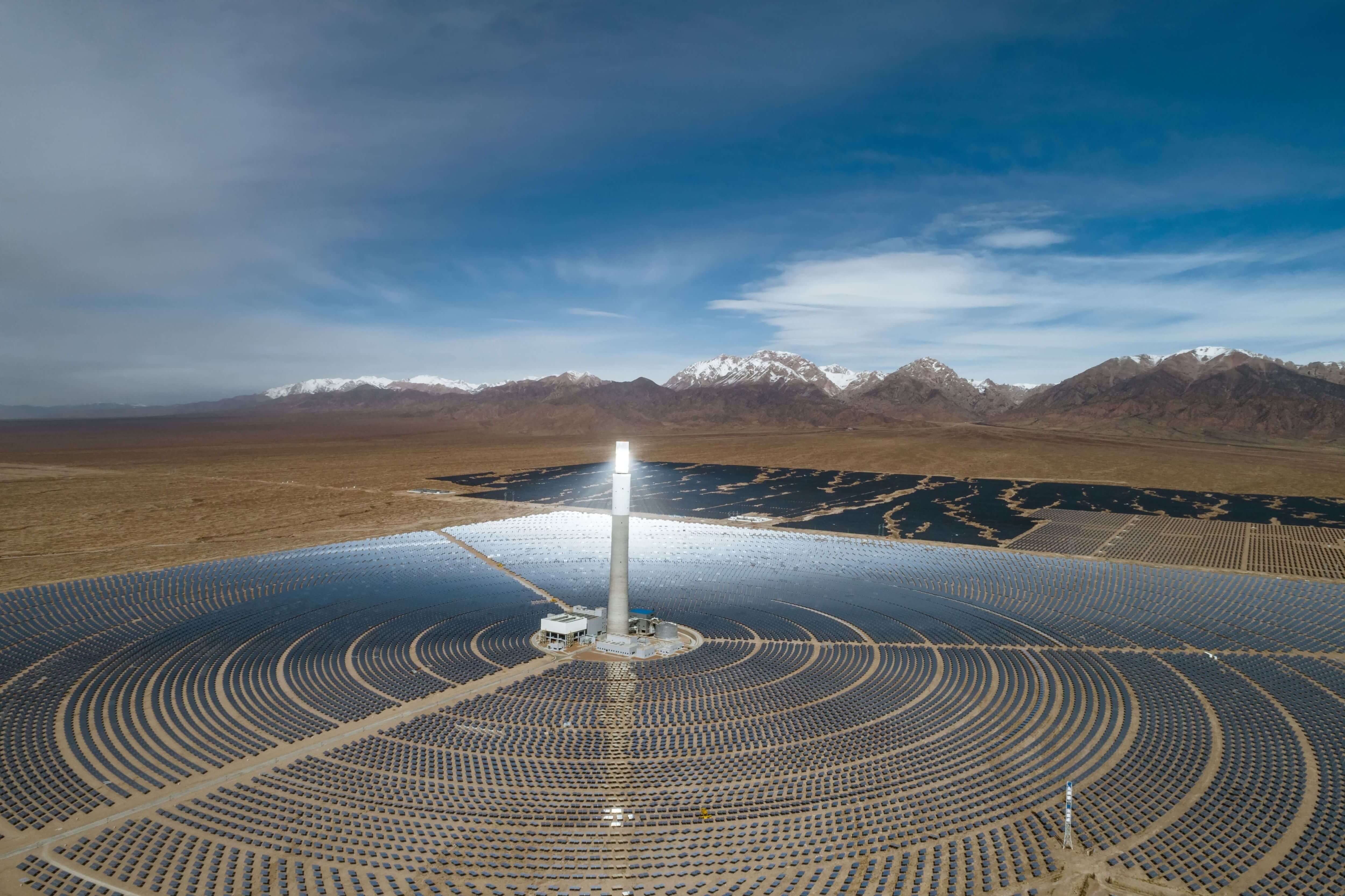 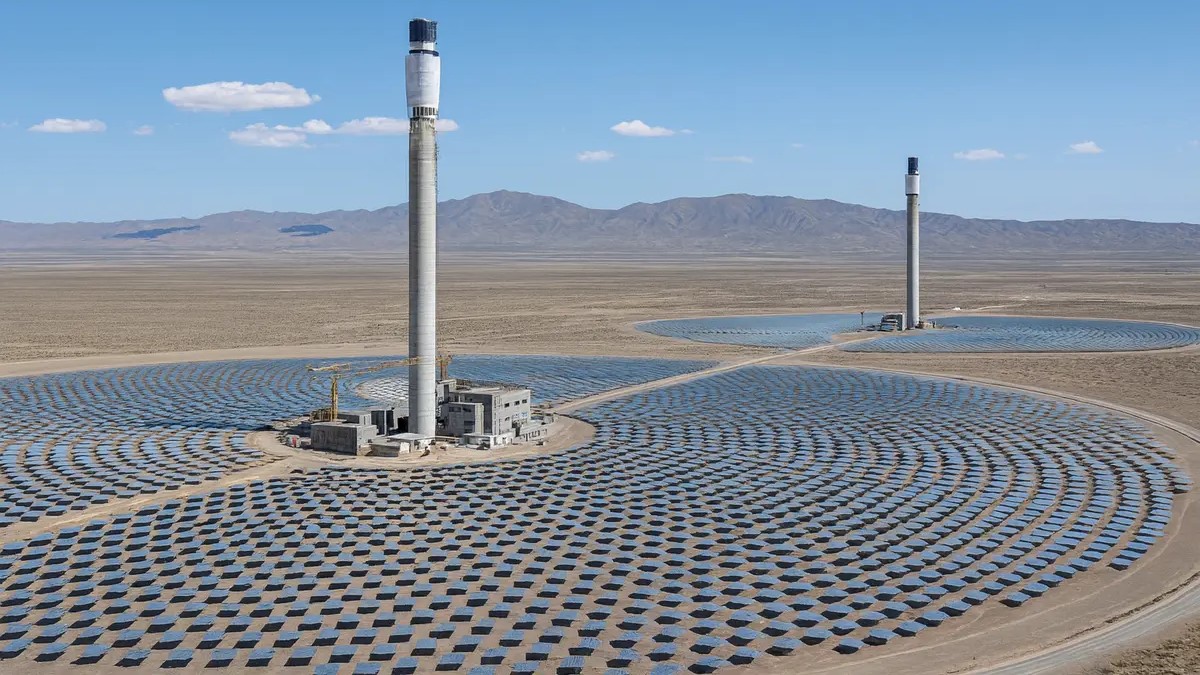 ## Scientists Are Building an “Artificial Sun” in the Desert — And It Could Change How Cities Get Power In a remote desert landscape, something extraordinary is taking shape. Thousands of mirrors stretch across the sand, reflecting sunlight toward a central tower that glows brighter than anything else in sight. Nearby, inside steel chambers and advanced laboratories, scientists are attempting something even more ambitious: recreating the energy process that powers the stars. Researchers and engineers have begun calling the project an **“artificial sun.”** The goal is simple but revolutionary — generate enormous amounts of clean electricity using the same fusion process that fuels the real sun. If successful, this technology could provide nearly unlimited energy for cities while dramatically reducing carbon emissions. ## What Is an Artificial Sun? The term “artificial sun” refers to **nuclear fusion reactors**, experimental machines designed to replicate the reaction happening inside stars. ### How fusion works In the core of the sun, hydrogen atoms collide under extreme heat and pressure. They fuse together to form helium, releasing massive amounts of energy. Scientists are trying to recreate that reaction on Earth. To do this, they: * Heat hydrogen fuel into plasma hotter than the sun’s core * Use powerful magnetic fields to hold the plasma in place * Trigger atomic fusion that releases energy If the process becomes stable and efficient, fusion could provide **clean, abundant electricity with minimal environmental impact.** ## Why the Desert Is the Perfect Location Fusion facilities and large solar energy complexes require huge amounts of space and sunlight. That’s why many experimental projects are being built in desert regions. ### Advantages of desert locations * Up to **300 sunny days per year** * Large open land areas for solar mirror fields * Low population density * Stable ground for heavy infrastructure The desert environment also allows researchers to combine fusion research with **concentrated solar power systems**, creating hybrid energy plants. ## The Role of Giant Mirror Fields One of the most striking features of the facility is the field of heliostats — massive mirrors that follow the sun across the sky. Each mirror reflects sunlight toward a central tower where heat is collected and stored. ### What heliostats do * Concentrate sunlight into extremely high temperatures * Produce steam that spins turbines * Store thermal energy in molten salt tanks * Generate electricity even after sunset This solar system provides immediate renewable power while supporting the experimental fusion infrastructure nearby. ## How the Artificial Sun Could Power Cities The long-term goal is to create power plants that operate around the clock without fossil fuels. Fusion could provide stable electricity regardless of weather conditions, solving one of the biggest challenges facing renewable energy today. ### Potential energy output Component | Purpose | Estimated Impact Solar mirror tower | Daytime renewable electricity | Up to 150,000 homes Fusion test reactors | Experimental constant power | ~50,000 homes in early phases Thermal storage tanks | Nighttime electricity supply | 4–6 hours grid backup Battery systems | Stabilize the grid | Instant response to demand spikes Although these numbers are still projections, the concept shows how multiple technologies could work together to power entire urban areas. ## Why Fusion Energy Is So Important Global electricity demand continues to grow as more systems move toward electrification — from vehicles to heating systems and data centers. Fusion energy offers several advantages compared with traditional power sources. ### Key benefits of fusion power * No greenhouse gas emissions during operation * Fuel derived from hydrogen, one of the most abundant elements * Minimal long-term radioactive waste * No risk of runaway chain reactions Because of these factors, fusion is often described as the **“holy grail of clean energy.”** ## The Biggest Challenges Scientists Still Face Despite decades of research, fusion remains one of the most difficult engineering challenges in modern science. Creating plasma hotter than the sun and controlling it inside a reactor requires incredibly precise technology. ### Major hurdles * Maintaining stable plasma for long periods * Designing materials that survive extreme heat * Scaling experimental reactors into commercial power plants * Reducing costs so electricity becomes affordable Scientists have made major breakthroughs recently, including successful experiments that produced **net energy gain for brief moments**. However, reliable commercial fusion power is still under development. ## Key Takeaways * Scientists are building experimental fusion reactors known as **artificial suns**. * These projects aim to generate massive amounts of clean electricity. * Desert locations provide ideal conditions for solar and fusion infrastructure. * Fusion could eventually deliver constant, low-carbon energy for cities worldwide. While the technology is still evolving, progress is accelerating as governments and private companies invest billions into fusion research. ## Frequently Asked Questions ### What is an artificial sun in energy research? An artificial sun is a nuclear fusion reactor designed to replicate the energy process that powers stars. ### Is fusion energy safer than nuclear power? Fusion generally produces less radioactive waste and cannot trigger runaway chain reactions like traditional nuclear fission plants. ### When will fusion power become widely available? Many experts expect early commercial fusion plants to appear between the **2030s and 2040s**, though timelines remain uncertain. ### Why are fusion experiments built in deserts? Deserts provide strong sunlight, large open land areas, and stable environments for building large energy facilities. ### Could fusion completely replace fossil fuels? Fusion could become a major clean energy source, but it will likely work alongside solar, wind, and other renewable technologies. ## Conclusion For decades, the idea of building a miniature star on Earth sounded like science fiction. Today, that vision is slowly becoming reality in remote deserts where scientists are testing the limits of physics and engineering. The artificial sun projects rising from the sand represent more than an experiment. They represent a new possibility for how humanity powers its future. If fusion energy succeeds, the lights in cities around the world may one day be powered by the same process that makes the stars shine.](https://ozpuff.com.au/wp-content/uploads/2026/03/Scientists-Are-Building-an-Artificial-Sun-in-the-Desert-—-And-It-Could-Change-How-Cities-Get-Power-1024x576.png)